How to secure drums on a plastic drum spill pallet?
Leave a message

As a trusted supplier of Plastic Drum Spill Pallets, I understand the critical importance of safely securing drums on these pallets. Properly securing drums not only prevents spills and leaks but also ensures the safety of your workplace and the environment. In this blog post, I'll share some practical tips and best practices on how to secure drums on a plastic drum spill pallet.
Understanding the Basics of Plastic Drum Spill Pallets
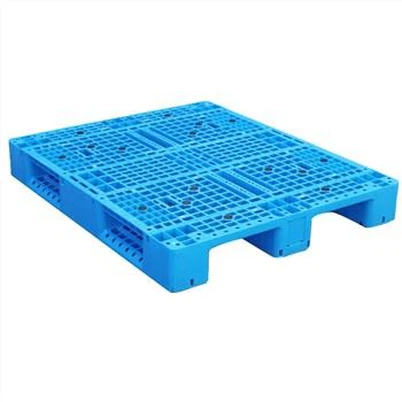
Before we delve into the securing methods, it's essential to understand what plastic drum spill pallets are and their purpose. These pallets are designed to contain spills and leaks from drums, preventing hazardous substances from seeping into the ground or causing environmental damage. They are typically made from high - density polyethylene (HDPE), which is resistant to chemicals and provides durability.
Selecting the Right Pallet for Your Drums
The first step in securing drums is choosing the appropriate plastic drum spill pallet. Consider the size and type of drums you'll be using. For instance, if you're dealing with 55 Gallon Blue Drum, you need a pallet with compartments or a large enough surface area to accommodate them. Similarly, if you're using IBC Tank or 1000L IBC Spill Pallet, make sure the pallet can support their weight and dimensions.
Pre - Placement Checks
Before placing the drums on the pallet, conduct a thorough inspection of both the drums and the pallet. Check the drums for any signs of damage, such as cracks, dents, or loose lids. A damaged drum can lead to spills, so it's crucial to address any issues before placement. Inspect the pallet for cracks, warping, or any other structural damage. A damaged pallet may not be able to support the weight of the drums properly, increasing the risk of spills.


Positioning the Drums on the Pallet
Once you've ensured that both the drums and the pallet are in good condition, it's time to position the drums on the pallet. Place the drums in the designated compartments if your pallet has them. This helps to keep the drums stable and prevents them from rolling or shifting. If there are no compartments, arrange the drums in an orderly manner, leaving enough space between them to allow for easy access and inspection. Make sure the center of gravity of the drums is within the boundaries of the pallet to maintain stability.
Securing the Drums
There are several methods you can use to secure drums on a plastic drum spill pallet:
Straps and Bands
One of the most common methods is using straps or bands. You can use ratchet straps, polyester webbing straps, or steel bands to secure the drums. Wrap the strap around the drums and the pallet, and then tighten it using the ratchet mechanism or a banding tool. Make sure the strap is tight enough to hold the drums in place but not so tight that it damages the drums. Straps should be inspected regularly for signs of wear and tear and replaced as needed.
Drum Clamps
Drum clamps are another effective way to secure drums. These clamps attach to the top or bottom of the drums and hold them firmly in place on the pallet. They come in various designs, including spring - loaded clamps and adjustable clamps. Drum clamps are particularly useful for preventing drums from tipping over.
Pallet Covers
Pallet covers can also be used to secure drums and protect them from the elements. A heavy - duty plastic or fabric cover can be placed over the drums and the pallet. The cover not only helps to keep the drums in place but also protects them from dust, dirt, and moisture. Make sure the cover is properly secured to the pallet to prevent it from blowing off.
Locking Mechanisms
Some plastic drum spill pallets come with built - in locking mechanisms. These mechanisms can be used to secure the drums to the pallet. For example, there may be a locking bar that can be inserted through the drums or a locking plate that holds the drums in place. Check if your pallet has such a mechanism and use it to enhance the security of the drums.
Regular Inspections
Even after securing the drums, it's important to conduct regular inspections. Check the drums and the pallet for any signs of movement, damage, or spills. Inspect the securing devices, such as straps, clamps, and covers, to ensure they are still in good condition. Make any necessary adjustments or replacements to maintain the security of the drums.
Training Your Staff
Proper training of your staff is essential for the safe and effective securing of drums on plastic drum spill pallets. Your staff should be trained on how to select the right pallet, position the drums, secure them using the appropriate methods, and conduct regular inspections. They should also be aware of the potential hazards associated with unsecured drums and the importance of following safety procedures.
Emergency Preparedness
Despite your best efforts, spills can still occur. It's important to have an emergency preparedness plan in place. This plan should include procedures for containing spills, cleaning up spills, and notifying the appropriate authorities. Make sure your staff is familiar with the emergency plan and knows how to respond in case of a spill.
In conclusion, securing drums on a plastic drum spill pallet is a multi - step process that requires careful planning, the right equipment, and regular maintenance. By following the tips and best practices outlined in this blog post, you can ensure the safety of your workplace and the environment. If you're in the market for high - quality plastic drum spill pallets or need further advice on securing drums, don't hesitate to reach out. Our team of experts is ready to assist you in finding the right solutions for your needs. Contact us today to start the procurement process and discuss how we can help you with your drum storage and spill prevention requirements.
References
- Chemical Safety and Hazard Investigation Board. "Accident Reports and Lessons Learned."
- Occupational Safety and Health Administration (OSHA). "Hazardous Waste Operations and Emergency Response Standards."
- National Fire Protection Association (NFPA). "Flammable and Combustible Liquids Code."