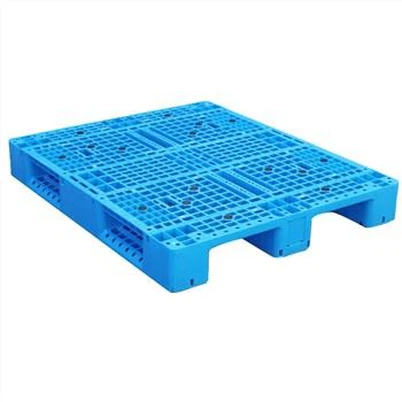
Hygienic Benefits of Plastic Pallets in Food Supply Chains
Leave a message

Hey there! As a supplier of plastic pallets, I've seen firsthand how these nifty tools can revolutionize the food supply chain, especially when it comes to hygiene. Let's dive into the hygienic benefits of plastic pallets in food supply chains.
1. Resistance to Contamination
One of the biggest perks of plastic pallets is their resistance to contamination. Unlike wooden pallets, which can absorb liquids and harbor bacteria, plastic pallets are non - porous. This means that spills, whether it's water, juice, or other food - related liquids, don't seep into the pallet.
For example, in a busy food warehouse, if there's a spill of milk on a wooden pallet, the wood will soak it up. Over time, this can lead to the growth of mold and bacteria. On the other hand, a plastic pallet will simply have the liquid sitting on its surface. You can easily clean it off with a quick wipe or a hose down, reducing the risk of cross - contamination.
This is crucial in the food industry, where any form of contamination can lead to serious health risks for consumers. With plastic pallets, food products are less likely to come into contact with harmful pathogens, ensuring a safer food supply.
You can check out our Hygienic Pallets for Food And Pharmaceuticals for more details on how our pallets are designed to meet the high - hygiene standards of the food and pharmaceutical industries.
2. Ease of Cleaning
Cleaning plastic pallets is a breeze. They can be easily washed with common cleaning agents, and because of their smooth surface, there are no cracks or crevices where dirt and bacteria can hide.
In a food processing facility, pallets are constantly being used to transport raw materials and finished products. Regular cleaning is essential to maintain a hygienic environment. Plastic pallets can be cleaned using pressure washers, steam cleaners, or even just a simple scrub with a soapy solution.
Compare this to wooden pallets, which require more intensive cleaning methods. The porous nature of wood makes it difficult to completely remove dirt and bacteria, and over time, the wood may start to break down, creating more hiding places for contaminants.
Our Full Flat Surface Plastic Pallet is designed with a smooth, flat surface that makes cleaning even easier. It's perfect for food supply chains where hygiene is a top priority.
3. Durability and Long - Term Hygiene
Plastic pallets are incredibly durable. They can withstand heavy loads, rough handling, and repeated use without breaking down. This durability is important for maintaining long - term hygiene in the food supply chain.
Since plastic pallets don't splinter or break easily like wooden pallets, there's less risk of small pieces of the pallet getting into the food products. Broken wooden pallets can leave behind splinters that can contaminate food, which is a major safety concern.
In addition, plastic pallets are resistant to chemicals. This means that they can be treated with disinfectants and other cleaning agents without being damaged. This allows for regular and thorough cleaning, ensuring that the pallets remain hygienic throughout their lifespan.

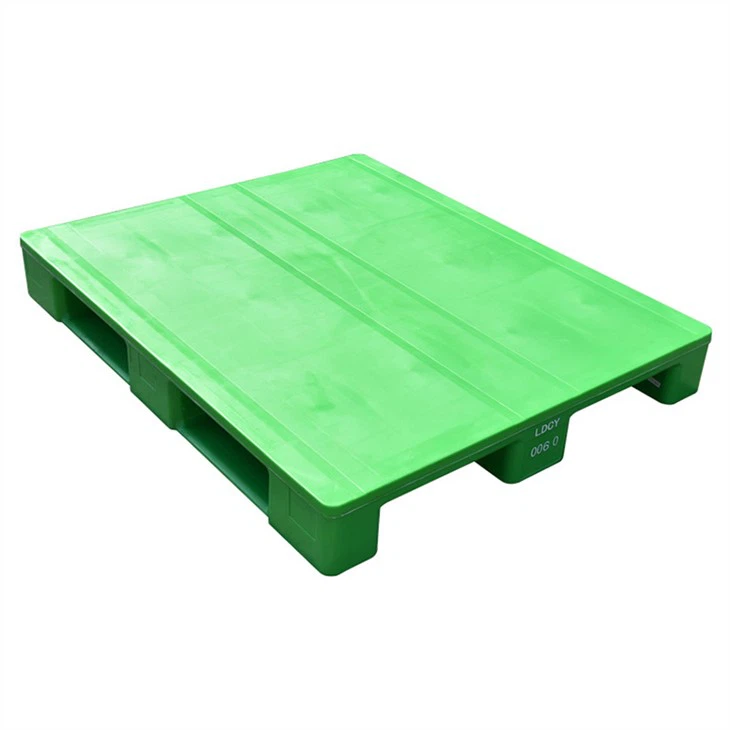
Our Hygienic Fully Closed Plastic Pallet is a great example of a durable and hygienic option. Its fully closed design not only protects the food products from external contaminants but also makes it easier to clean and maintain.
4. Compliance with Hygiene Regulations
The food industry is highly regulated when it comes to hygiene. Plastic pallets can help food companies meet these regulations more easily.
Many regulatory bodies require food - handling equipment to be clean, non - porous, and resistant to contamination. Plastic pallets meet all these requirements. They are often made from food - grade plastics, which are safe for use in the food supply chain.
By using plastic pallets, food companies can avoid potential fines and legal issues associated with non - compliance. It also gives them peace of mind knowing that they are providing a safe and hygienic environment for their products.
5. Reduced Pest Infestation
Wooden pallets are a haven for pests such as insects and rodents. These pests can carry diseases and contaminate food products. Plastic pallets, on the other hand, are less attractive to pests.
Plastic doesn't provide the same hiding places or food sources for pests as wood does. This means that food storage areas using plastic pallets are less likely to have pest infestations.
In a food warehouse, a pest infestation can be a nightmare. It can lead to the loss of products, damage to equipment, and a negative impact on the company's reputation. By switching to plastic pallets, food companies can reduce the risk of pest - related problems.
Why Choose Our Plastic Pallets?
As a supplier of plastic pallets, we understand the importance of hygiene in the food supply chain. Our pallets are designed with the latest technology to ensure maximum hygiene and durability.
We offer a wide range of plastic pallets to meet the different needs of the food industry. Whether you need a pallet for transporting fresh produce, frozen goods, or processed foods, we have the right solution for you.
Our team is always ready to help you choose the best pallet for your specific requirements. We can also provide advice on cleaning and maintenance to ensure that your pallets remain hygienic and in good condition.
If you're interested in improving the hygiene of your food supply chain, we'd love to talk to you. Whether you're a small food business or a large - scale distributor, our plastic pallets can make a big difference. Reach out to us to discuss your needs and let's work together to create a safer and more hygienic food supply chain.
References
- "The Importance of Hygiene in the Food Supply Chain", Journal of Food Safety.
- "Plastic Pallets vs. Wooden Pallets: A Comparative Analysis", Industrial Packaging Magazine.
- "Hygiene Regulations in the Food Industry", Food and Drug Administration Guidelines.