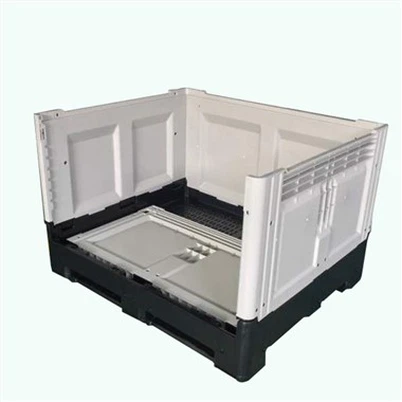
How to Choose Large Plastic Garbage Cans for Your Facility or Outdoor Project
Leave a message
Introduction
In modern facility management and outdoor maintenance, large plastic trash bins are essential components. Whether in industrial parks, shopping complexes, schools, tourist attractions, or community environments, a well-chosen waste bin system greatly enhances hygiene efficiency and visual harmony. This article provides a complete guide on how to choose the ideal large plastic garbage cans for your facility or outdoor project-from needs assessment and material selection to capacity and installation.
Understanding Needs: Defining the Usage Scenarios and Waste Types
Usage Scenarios
Start by identifying the environment in which the trash bins will be used. Indoor facilities often prioritize aesthetics and ease of cleaning, while outdoor projects require weather resistance and anti-tipping features. For example:
• Factory workshops: Require oil-resistant and corrosion-proof large bins.
• Parks and scenic areas: Need UV-resistant bins with covers to prevent animal access and rainwater ingress.
• Commercial districts: bins that balance function and appearance.
Waste Type and Volume
Different types of waste and their volume directly affect the design and capacity of the bins.
• General Waste: refers to ordinary waste generated in daily life and office work, such as paper scraps, disposable tableware, etc. This type of waste is large in volume but low in hazards and is suitable for regular large capacity bins (such as 240L or 360L).
• Recyclables: Including plastics, metals, glass and other reusable materials. It is recommended to use trash cans with obvious recycling marks or special colors (such as blue) to facilitate sorting and later recycling.
• Organic Waste: Commonly found in catering establishments, parks and community canteens, including food residues, plant branches and leaves, etc. This kind of waste is easy to decompose and smell. Choose a trash can with a sealing lid to reduce the leakage of odor and prevent animal interference.
• Hazardous Waste: such as used batteries, chemical containers, medical waste, etc. This type of waste requires the use of high-strength, corrosion-resistant special waste bins (usually red or yellow) and strict collection and disposal standards.
For high-volume areas such as industrial parks, campuses, or event venues, large plastic trash bins (≥240L) are recommended to reduce collection frequency and operational workload.
Material and Structure
Material Selection
Most large plastic trash bins are made from high-density polyethylene (HDPE) or polypropylene (PP). HDPE offers superior impact strength, chemical resistance, and low-temperature durability-making it ideal for outdoor use. Compared to metal bins, plastic ones are lightweight, rust-free, and easier to maintain.
Enlightening Pallet's Trash Bin With Wheel is made from high-quality HDPE with UV inhibitors, ensuring durability in direct sunlight, heavy rain, or extreme temperatures.
Structural Features
High-quality large trash bins often include the following design features to improve usability, durability, and hygiene:
• Sealed lid design: Prevents rain, odor, and animal entry.
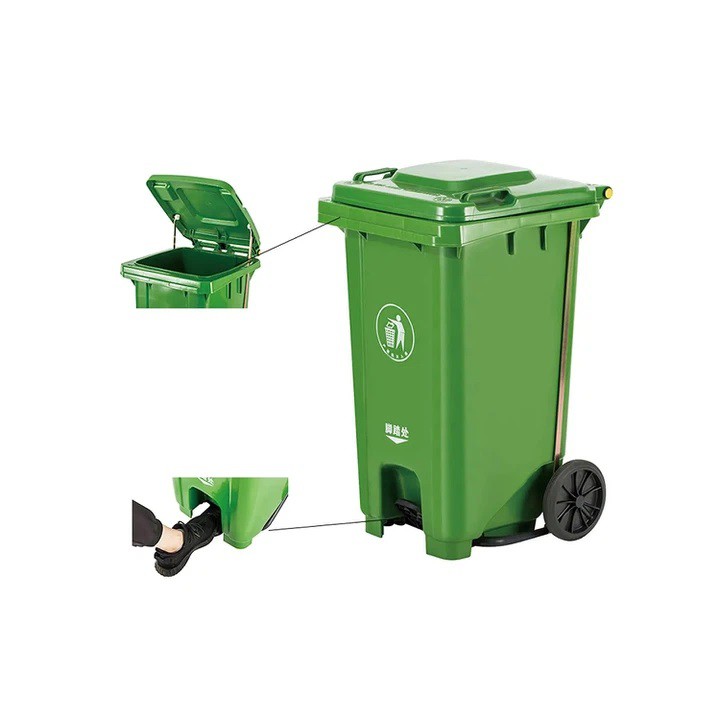
• Foot pedal design: Hands-free lid operation improves hygiene and reduces contamination risk.
• Thickened bin body: Enhances impact resistance and extends service life.
• Wheels and handles: Facilitates easy movement and collection, reducing labor.
• Reinforced ribs or steel structures: Increase rigidity and prevent deformation during transport or stacking.
• UV-resistant coating: Protects against sun damage and fading.
• Non-slip or weighted base: Improves stability in windy or uneven areas.
• Stackable or modular design: Saves storage space and allows for temporary setups or bulk transport.
Capacity and Size Selection
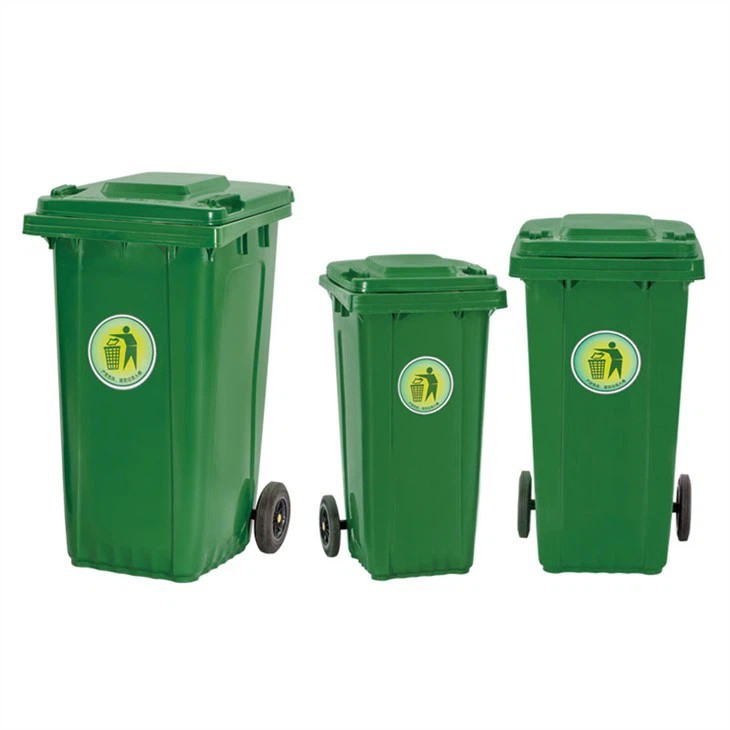
Large plastic trash cans typically have a capacity of 240L or more, which can meet the high waste disposal needs of public facilities, outdoor scenic spots, and industrial parks.
• 240L: Suitable for parks, school playgrounds, and commercial streets with medium foot traffic.
• 360L: Ideal for industrial parks, logistics centers, and community public areas with high waste volume.
• 660L+: Perfect for large scenic areas, industrial plants, and event venues with extremely high waste generation.Usually equipped with a four-wheel design to provide strong carrying capacity.
Other considerations for garbage bin shape and layout:
• Rectangular bins: Space-saving, ideal for compact placement or against walls.
• Round bins: Suitable for circular arrangement or open areas.

Installation and Placement
The correct placement of trash cans can greatly improve their efficiency.
• Install bins near entrances, walkways and high traffic areas where waste is generated.
• Avoid placing it in low-lying outdoor locations where water may accumulate to prevent the bottom of the trash can from being eroded.
• Keep bins consistent in color and design for easy identification and sorting.
• Use ground-mounted or weighted bins in windy environments to avoid tipping of waste inside the bin.
Conclusion
Choosing the right large plastic trash cans can not only optimize waste collection efficiency but also reduce operating costs. When selecting trash cans, it's crucial to clearly define the intended use and type of waste, choose appropriate materials, and scientifically arrange and install them to match capacity and space, maximizing their effectiveness in your facilities or outdoor projects.
Enlightening Pallet: Providing You With High-Quality Large Plastic Garbage Cans
As a professional manufacturer of large plastic trash bins, Enlightening Pallet offers high-quality bins with a maximum capacity of 1100L. We also provide custom solutions, allowing you to tailor the size, capacity, and structural design to meet your specific needs. Whether for outdoor public facilities, industrial parks, or commercial spaces, we are your reliable long-term partner. Contact us today to explore the best waste management solutions!