


How to Choose the Right Plastic Pallet Load Capacity for Your Application
Leave a message
Introduction
The emergence of plastic pallets has introduced a new solution for the transportation and storage of goods. Proper load-bearing configuration not only improves operational efficiency and optimizes total cost but also enhances stability. This article aims to help the factories, plastic pallet distributors, and private brands achieve more efficient and reliable logistics and warehouse management through scientific selection.
Understanding Plastic Pallet Load Capacity
Choosing the right load capacity is about understanding how pallets perform under different conditions. By distinguishing between static load and dynamic load, businesses can better match pallet performance with real-world logistics and warehousing needs.
Static Load vs Dynamic Load
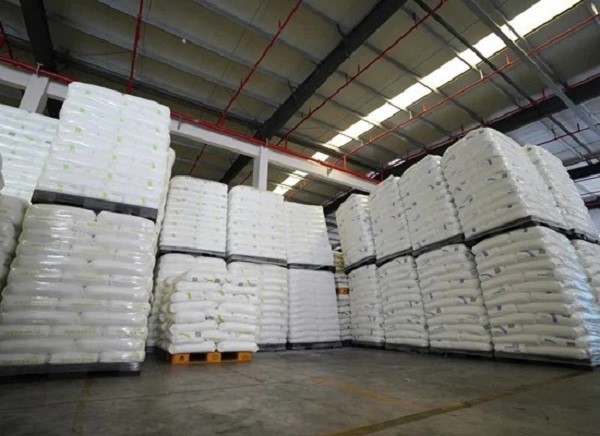
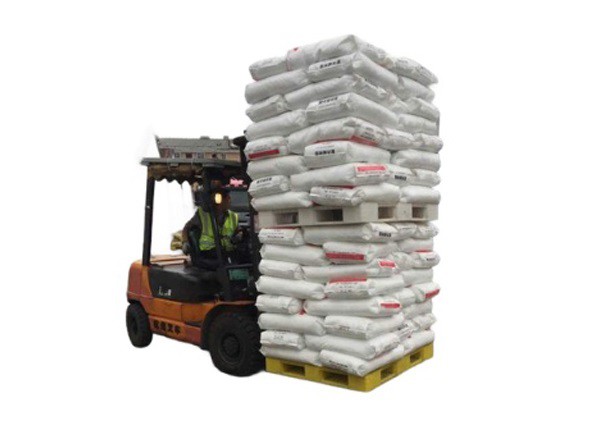
Static load applies when pallets are at rest, typically used in warehouse storage and goods stacking. Dynamic load, on the other hand, refers to the load generated during handling and movement, used in transportation, loading and unloading, and turnover scenarios.
Why Load Capacity Matters in Plastic Pallet Selection
Different load-bearing types correspond to different application needs. The right load capacity ensures your pallet performs consistently across every stage of your operation. In transportation, fitting perfectly between the forklift`s forks and the bottom of the pallet helps to achieve more stable logistics operations. In a warehouse, the stackable design and uniform size of warehouse plastic pallets help increase storage density, thereby improving their utilization efficiency. By combining durability, consistent performance, and efficient handling, the pallets deliver strong long-term value across logistics operations.
Factors to Consider When Choosing Plastic Pallet Load Capacity
Choosing the appropriate plastic pallet load capacity is not a one-size-fits-all decision. It requires a clear understanding of how pallets will be used in real-world conditions. Factors such as the type of goods, storage methods, handling equipment, and environmental conditions all influence the required load performance. Evaluating these aspects helps ensure a more precise and effective pallet selection.
Type of Goods
The type of goods being handled is one of the primary factors in determining the required load capacity of a plastic pallet. Both the overall weight and the way the load is distributed can significantly influence pallet performance during storage and transportation. Heavier goods require pallets with higher load capacity and stronger structural support, while lighter products can be efficiently handled with more lightweight pallet options. In addition, evenly distributed loads place less stress on the pallet structure, whereas concentrated loads may require reinforced designs to maintain consistent performance.
Storage Method
The storage method also plays a key role in determining the appropriate load capacity. Different storage setups place different demands on pallet performance, particularly in terms of load distribution and structural support. For floor stacking applications, pallets are primarily required to support static loads, especially when goods are stacked over extended periods. In racking systems, pallets must be capable of handling additional stress across their span, making racking load capacity a critical consideration. Reinforced or steel-supported pallets are often preferred in such environments.
Environmental Conditions
Environmental conditions should also be considered when selecting the appropriate pallet load capacity. Factors such as temperature, humidity, and exposure to specific substances can influence material performance and long-term durability. Extreme temperatures may affect the rigidity and load-bearing performance of the pallets, making it important to select materials suited for the operating environment. In humid or wet conditions, the pallets offer consistent performance and maintain their structural integrity over time. For industries with strict hygiene or chemical requirements, selecting pallets designed for such environments helps ensure reliable and stable operation.
Load Capacity Ranges for Different Plastic Pallet Types
Different types of plastic pallets are designed to meet varying load capacity requirements. The following are the references of different types for them:
|
Type |
Static load capacity |
Dynamic load capacity |
Ranking load capacity |
Advantages |
Suitable Applications |
|
|
Lightweight plastic pallets |
|
0.3T-2T |
<1T |
/ |
|
|
|
Standard plastic pallets |
|
4T-6T |
1T-1.5T |
/ |
|
|
|
Heavy duty plastic pallets |
|
4T-8T |
1T-2T |
/ |
|
|
|
Shelf plastic pallets |
|
4T-6T |
1T-2T |
0.6T-1.5T |
|
|
|
Steel reinforced plastic pallets (The structure can be customized according to specific requirements.) |
|
4T-8T |
1.5T-2.5T |
1T-1.5+T |
|
|


By comparing the advantages and applications of each pallet type, businesses can more easily identify the most suitable solution based on their load requirements and operational scenarios.
How to Choose the Right Load Capacity (Step-by-Step Guide)
Selecting the right plastic pallet load capacity becomes much easier when approached step by step. The following content guides a practical process to help you identify the most suitable pallet solution for your specific application.
Step 1: Evaluate Load Requirements
Determining the weight of the goods that each pallet will carry. This includes identifying the maximum load per pallet under normal operating conditions. Having a clear understanding of load requirements provides a solid foundation for selecting the appropriate pallet.
Step 2: Define Application Scenario
Consider how the pallet will be used in your operations. Will it be placed on racking systems or primarily used for floor stacking? How frequently will it be moved or handled? Defining the application scenario helps determine whether static load, dynamic load, or racking load is the key requirement.
Step 3: Match Load Type
Based on the application scenario, turning to match the appropriate type of load capacity. Static load is relevant for storage and stacking, while dynamic load is critical for transportation and handling. In racking applications, additional load capacity considerations may be required to ensure stable performance.
Step 4:Select the Appropriate Pallet Type
Heavy duty plastic pallets are ideal for high-load applications such as industrial manufacturing, bulk material handling, and heavy warehouse storage. Lightweight plastic pallets are well-suited for lighter goods, including export shipments, retail distribution, and one-way logistics. In addition, steel reinforced plastic pallets are often preferred for racking systems and high-bay warehouses, where additional structural support is required for long-span storage and repeated use.
Step 5: Plan for Operational Efficiency
It is important to plan for long-term operational efficiency. Selecting a pallet with an appropriate load capacity allows for consistent performance across different conditions and supports smooth logistics operations over time. This approach helps ensure that the pallet continues to meet evolving operational needs.
This step-by-step approach is widely used in professional pallet selection to ensure both performance and cost efficiency. By following these steps, businesses can make more informed decisions and select plastic pallets that align with both operational requirements and long-term efficiency goals.
Practical Application Example
In a typical flour processing operation, a manufacturer handling packaged flour requires a stable and reliable pallet solution to support both storage and daily logistics activities. The facility manages large volumes of 25kg and 50kg flour bags, which are stacked and stored in the warehouse before being transported to distributors.
Based on this scenario, the key operational requirements include:
- High static load capacity for stacked storage in the warehouse
- Reliable dynamic load capacity for frequent forklift handling
- Stable structure to prevent deformation under long-term load
A typical pallet load in this application includes:
- 40 bags × 25kg flour = 1,000 kg per pallet
- Stacking 3–4 layers in storage = 3,000–4,000 kg static load requirement
- Frequent forklift movement = at least 1,000–1,500 kg dynamic load requirement
After evaluating these requirements, heavy duty plastic pallets are selected as the optimal solution.
- Dynamic Load Capacity: 1T-2T
- Static Load Capacity: 4T-8T

Following implementation, the flour manufacturer achieves more stable pallet stacking and smoother forklift handling across daily operations. The selected pallet solution supports consistent performance under heavy loads, improves warehouse space utilization through safe multi-layer stacking, and enhances overall efficiency in both storage and transportation processes.
The Value of Working with a Professional Plastic Pallet Manufacturer
Beyond selecting the right load capacity, working with a professional plastic pallet manufacturer, like Enlightening Pallet in China, helps ensure a more accurate, efficient, and reliable solution tailored to your specific application.
Provide Professional Selection Support
A right manufacturer can provide expert guidance based on your load requirements, such as Enlightening Pallet, which holds over 24 years of manufacturing experience, a dedicated R&D team, and 60 advanced automated production lines to meet various product portfolios. A professional manufacturer should also provide OEM/ODM services and respond quickly to customer needs, from design to mass production, ensuring efficiency and guaranteeing the timely delivery of every order.
Provide Reliable Test Data
Certified quality systems and comprehensive technical testing ensure that pallet performance is verified under real operating conditions, giving you greater confidence in load capacity and long-term use. Certified by ISO 9001, ISO 14001, SGS, EN840, and FDA, Enlightening Pallet strictly controls the quality monitoring of the entire supply chain from raw materials, production, to finished products, especially the durability, strength, and impact resistance of the products, all of which have undergone rigorous testing.
Support Customized Solutions
Professional manufacturers support OEM/ODM services and can develop customized pallet designs based on specific industry needs, ensuring better alignment with your logistics and warehousing systems. Using high-quality recyclable materials such as HDPE and PP, Enlightening Pallet offers custom plastic pallet solutions while adopting energy-efficient production processes to support sustainable operations.
Help Customers Maximize Long-term Value
By combining durable materials, efficient production, and ongoing support, manufacturers help optimize overall operational efficiency and deliver strong long-term value. Enlightening Pallet makes sure consistent performance and long-term value across your logistics operations, with up to 3 years of after-sales services.
Partnering with an experienced manufacturer allows businesses to achieve better performance, efficiency, and long-term reliability.
Conclusion
Choosing the right plastic pallet load capacity requires understanding static and dynamic loads and matching them with your application scenarios, including goods type, storage methods, and handling conditions. This approach supports efficient operations and long-term value.
Looking for the ideal plastic pallet solution?
From load capacity and application assessment to customized design and reliable production, we offer end-to-end support for your warehousing and logistics needs. For a suitable solution, contact our team for professional recommendations or exploring our full range of plastic pallets.


