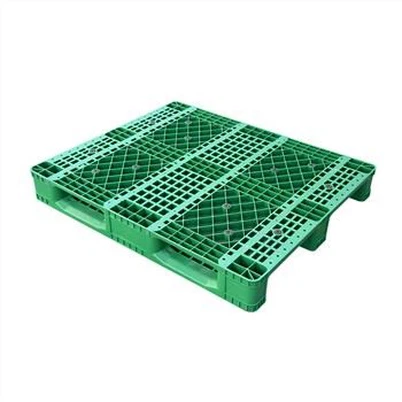
The Benefits of HDPE Plastic
Leave a message
When it comes to HDPE and PP plastic, there are a lot of similarities – density, temperature controls, UV resistance, etc. which makes it easy to confuse the two materials when it's time to procure materials for manufacturing or a particular project. However, deciding between HDPE and PP plastics can result in stark differences in the overall end products. So what's the Benefits of HDPE Plastic?
HDPE stands for high density polyethylene. HDPE is a versatile plastic known for its unique benefits. Thanks to the material's durability and strength, HDPE is commonly used to create containers like milk and water jugs, where a 60g jug can effectively retain over a gallon of liquid without distorting its original shape.
In contrast, HDPE can also remain flexible as well. Take for example, plastic bags. Long-lasting, weather resistant, and capable of carrying weight compared to its own, HDPE is an ideal option for those looking for plastic that can withstand a variety of different stress factors while maintaining its strength-whether rigid or flexible.
HDPE is known for its resistance to mold, mildew, and corrosion, which is why it is commonly used for a variety of sanitation applications as well as for construction use. Furthermore, it can be molded into almost any shape while maintaining its lightweight, making it an ideal option when compared to other types of plastic. HDPE is more stable, dense, and hard.