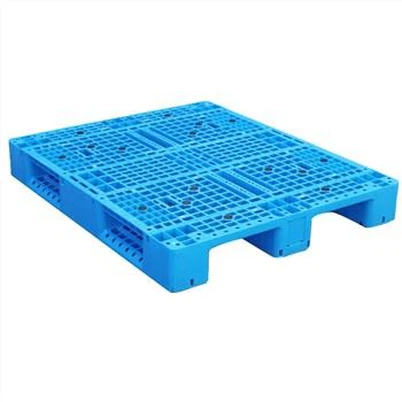
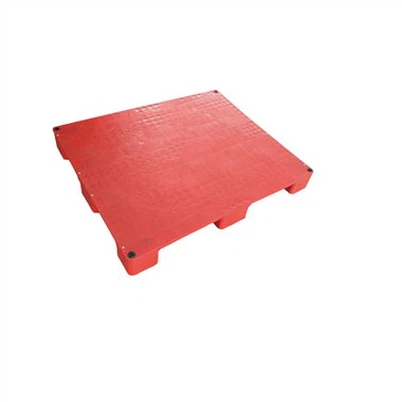
What Makes a Plastic Pallet Rackable? Key Structural Features Buyers Should Check
Leave a message
When pallet designers evaluate plastic pallets for rack storage, they always find that many buyers focus on weight and thickness instead of the real engineering behind rackability.
A truly rackable plastic pallet is not defined by weight alone. Its real performance in beam racking depends on structural design, including deck reinforcement, runner configuration, internal ribbing, and load transfer capability. For buyers selecting pallets for warehouse racking systems, understanding these structural factors is essential to reduce deflection, improve safety, and match the pallet to actual rack conditions.
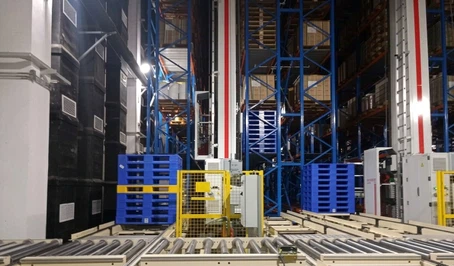
After working with countless rack storage projects,engineers have learned that calling a pallet "heavy-duty" does not make it rack-ready. A more in-depth observation of the structure is required to understand how the force moves through the pallet when it spans between rack beams.
What Structural Elements Define Rackable Plastic Pallet Performance?
Most people think that a thicker pallet automatically works better on racks, but I have seen thick pallets fail catastrophically when their structure could not handle beam spacing.
The three critical structural elements that define rackable performance are: reinforced deck design for load distribution, engineered runner systems for beam contact, and internal ribbing patterns that control deflection across unsupported spans.
When inspecting the shelving design of pallets, start with the deck structure. The deck is where the load sits, and it must distribute that weight effectively to the runners below. Secondly, it is necessary to find reinforcing ribs that extend in multiple directions.These ribs create a grid pattern that spreads concentrated loads across the entire deck surface.
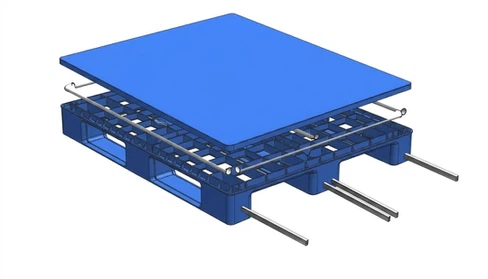
The deck thickness alone does not tell me much. It is necessary to see how the ribs are connected to each other and how they transfer the load to the runway contact points.Based on years of experience,, the best rackable pallets should use "load path engineering" - every structural element has a clear purpose in moving forces from the cargo down through the runners to the rack beams.
|
Deck Element |
Function |
Impact on Rackability |
|
Top Surface |
Load Contact |
Even weight distribution |
|
Support Ribs |
Load Transfer |
Prevents deck bowing |
|
Runner Connection |
Force Transmission |
Links deck to support points |
The runner system is equally important. When a pallet sits on rack beams, only the runners make contact with the support structure. Therefore, it is necessary to inspect the width, depth, and internal reinforcement. Wide runners spread the load better, but they also need internal strength to avoid crushing under concentrated beam pressure.
How Do Runner Designs Impact Rack Load Distribution?
Runner design directly controls how loads transfer from the pallet to rack beams, with three-runner and reinforced runner systems providing superior load distribution compared to basic two-runner designs for most rack applications.
The runner count makes a huge difference in rack performance. Two-runner pallets work fine for floor storage, but When a pallet is placed on rack beams, the entire load transfers through only two contact lines. This creates stress concentration that can cause runner failure or excessive deck bending.
Three-runner systems change everything. The center runner provides additional support exactly where the deck experiences maximum bending stress. When testing three-beam pallets on shelves, superior deflection control performance and higher safety load-bearing capacity can be observed.
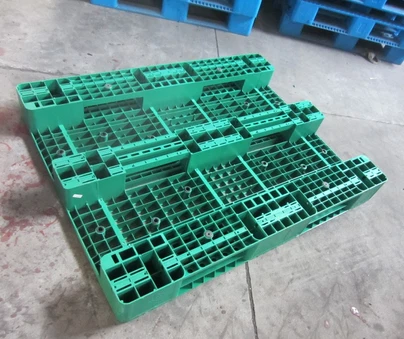
But runner count is just the beginning. It is also necessary to be able to analyze the reinforcement plan for the slide rail. Some manufacturers add steel inserts inside the runners. Others use thicker plastic walls or internal ribbing. The best approach depends on the specific rack application, but the core requirement is to ensure that the reinforcement measures can break through the limitations of the base molded plastic.
|
Runner Type |
Contact Points |
Load Distribution |
Best Application |
|
Two-Runner |
2 lines |
Concentrated |
Light loads, narrow spans |
|
Three-Runner |
3 lines |
Balanced |
Medium to heavy loads |
|
Reinforced Runner |
Variable |
Optimized |
Heavy industrial use |
Runner geometry also affects how the pallet sits on different beam types. In our rack systems, we use both box beams and step beams. The runner bottom profile needs to make stable contact with whatever beam shape I am using. Poor contact leads to pallet instability and potential load shifting.
Why Does Internal Reinforcement Determine Rack Span Capability?
Most buyers never look inside a pallet, but internal reinforcement is what separates truly rackable designs from pallets that simply look robust.
Internal reinforcement patterns control how a pallet responds to unsupported loads between rack beams, with strategic rib placement and material reinforcement determining maximum safe span distances and load ratings.
When the pallet is flipped over to inspect its underside,a clear reinforcement strategy needs to be found. The bottom of a rackable pallet should show a complex network of ribs, supports, and connections that work together as a structural system.
Special attention should be paid to the connection method between the ribs and the runners. These cross-connections prevent the deck from sagging in the unsupported areas between rack beams. Without proper cross-rib design, even a thick deck will bend downward under load, which can cause cargo shifting or pallet failure.
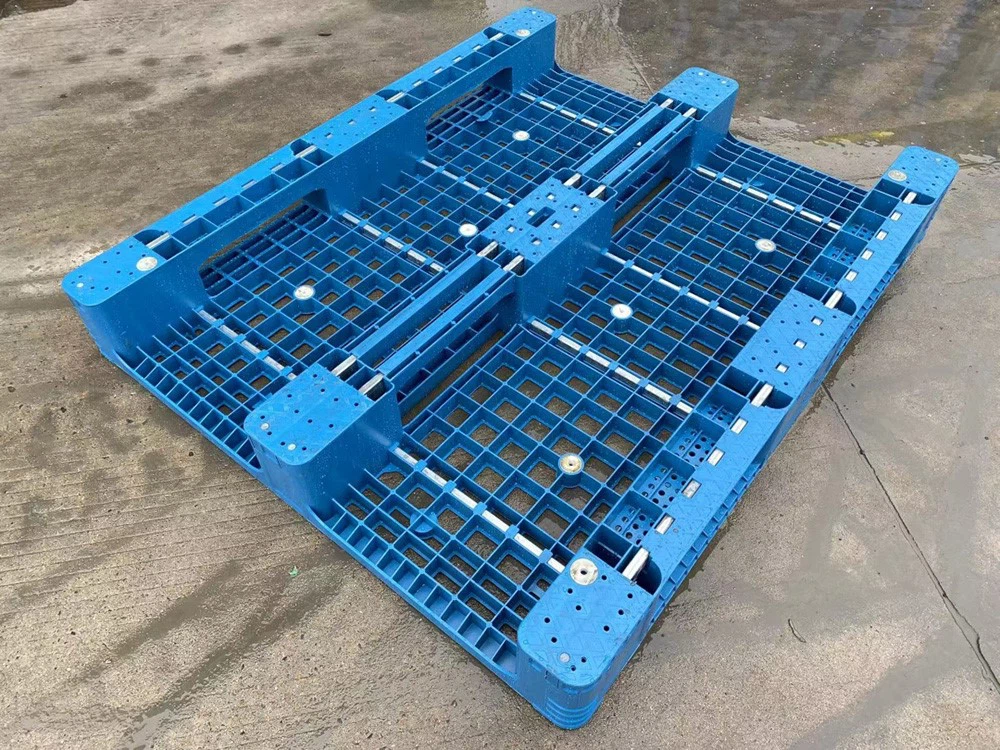
Some advanced rackable pallets include steel reinforcement profiles molded directly into the structure.Our pallet designers have used pallets with steel strips running along the length of each runner, and others with steel cross-members that connect all runners together. This hybrid approach gives the chemical resistance of plastic with the structural strength of steel where buyers need it most.
The reinforcement pattern must match the intended use. Pallets designed for wide rack spans need different reinforcement than those made for narrow beam spacing. When selecting shelf-ready pallets, it is essential to ensure their reinforcement structure design aligns with the specific shelf configuration.
|
Reinforcement Type |
Materials |
Span Capability |
Cost Impact |
|
Plastic Ribbing |
HDPE/PP |
40-48 inches |
Standard |
|
Steel Insert |
Steel + Plastic |
48-60 inches |
Medium |
|
Full Steel Frame |
Steel + Plastic |
60+ inches |
High |
Temperature also affects how reinforcement performs. In cold storage applications, plastic becomes more brittle, so reinforcement designs that take into account material changes related to temperature need to be considered. Some pallets include impact modifiers in their plastic formulation specifically for cold storage rack use.
What Load Path Analysis Reveals About Pallet Structure?
By analyzing how forces are transmitted on the load-bearing pallet, one can accurately predict the exact location of a failure and understand why certain design solutions are superior to others.
Load path analysis shows how forces travel from cargo through deck structures to runners and finally to rack beams, revealing why specific structural elements must work together as an integrated system rather than independent components.
Under normal circumstances, the load path as the route that weight takes through the pallet structure. When cargo sits on the deck, that weight must somehow reach the rack beams below. The efficiency and safety of this load transfer depends entirely on how well the structural elements connect to each other.
Starting from the top, deck ribs collect distributed loads and channel them toward runner connection points. The continuous load paths - no structural gaps or weak connections that would create stress concentration. The best rackable pallets show clear, redundant load paths so that if one structural element experiences high stress, others can share the burden.
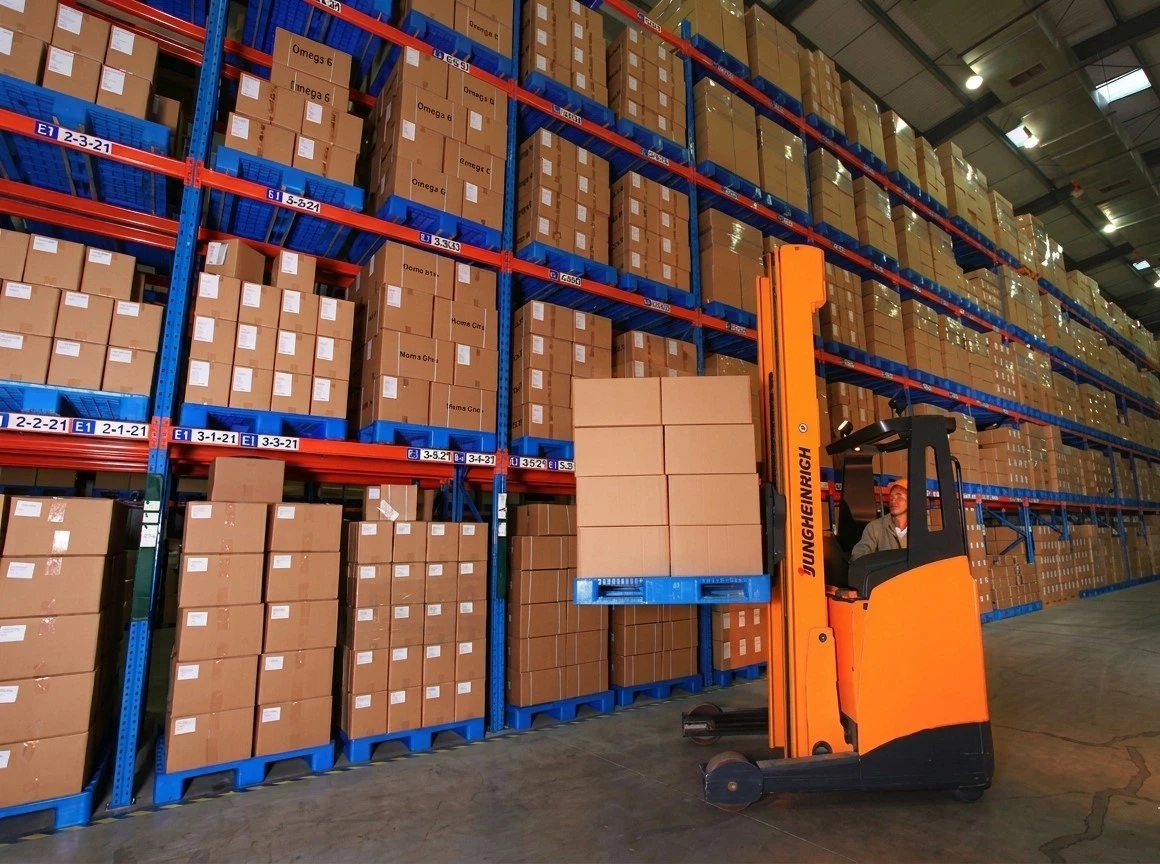
Runner design becomes critical at the connection points where deck forces transfer to the support structure. Check how the deck connects to each runner and whether those connections can handle the concentrated forces from above. Weak connections create failure points that compromise the entire pallet.
The final load path segment is from the runner to the rack beam. This contact area must distribute the concentrated runner load across the beam surface without creating excessive pressure points.You may have witnessed failures caused by poor load distribution at the beam interface, even when the rest of the pallet structure was adequate.
|
Load Path Stage |
Critical Elements |
Common Failure Points |
|
Deck to Ribs |
Rib connections |
Poor bonding, stress cracks |
|
Ribs to Runners |
Junction strength |
Connection failure |
|
Runners to Beams |
Contact area |
Crushing, instability |
Understanding the loading path can help us evaluate the pallet design before actual usage tests. Identify potential weaknesses and verify that the manufacturer has addressed these issues through appropriate structural engineering.
Conclusion
For buyers using beam racking systems, rackability should be evaluated through structural design, reinforcement method, beam span compatibility, and tested load performance. Choosing the right pallet design helps reduce deflection risk, improve warehouse safety, and lower replacement costs over time.
Need help selecting the right rackable plastic pallet for your warehouse?
Send us your rack beam spacing, load requirement, and pallet size. Our engineers will recommend the most suitable pallet structure for your application.
Why Work With Binpallet for Rackable Plastic Pallets?
At Binpallet, we understand that B2B buyers need more than a standard pallet. They need a pallet solution that matches real warehouse conditions, rack systems, load requirements, and long-term supply plans.
We support customers with:
- rackable plastic pallet solutions for different load demands
- optional steel reinforcement for higher rack performance
- custom sizes, colors,logos and molds service
- stable manufacturing capacity for bulk orders
- quality inspection before shipment
- technical support for pallet selection based on application needs
- International Certifications: ISO 9001, CE, REACH, ROHS, SGS, FDA, GRS
Whether you are a wholesaler, distributor, brand owner, or warehouse system buyer, we can help you select a plastic pallet solution that fits your storage and logistics requirements more accurately.
FAQ
1. What is the difference between a rackable plastic pallet and a standard plastic pallet?
A rackable plastic pallet is designed for use on rack beams and must support loads across unsupported spans. A standard plastic pallet may be suitable for floor use or handling, but not necessarily for beam rack storage.
2. Can all heavy-duty plastic pallets be used on racks?
Not necessarily. A pallet may be described as heavy duty, but that does not automatically mean it is suitable for racking. Buyers should always confirm the tested racking load and beam span.
3. Do I need steel reinforcement in a rackable plastic pallet?
It depends on your load requirement, beam spacing, and use environment. For heavier loads or more demanding warehouse systems, steel reinforcement can improve rigidity and reduce deflection.
4. What load data should I ask for before buying?
You should ask for static load, dynamic load, and especially racking load. If the pallet will be used on beam racks, racking load is one of the most important values.
5. How do I know whether a pallet matches my rack system?
You should provide your rack beam spacing, load requirement, and application scenario to the supplier. A reliable supplier should recommend a suitable pallet structure based on those conditions.
6. Are rackable plastic pallets suitable for cold storage?
Some are, but not all. Cold environments can affect plastic performance, so buyers should confirm whether the pallet material and reinforcement design are suitable for low-temperature use.
7. What is the typical racking load capacity of a plastic pallet?
The racking load capacity depends on pallet design, reinforcement type, and beam span.
Most rackable plastic pallets support between 500 kg and 1500 kg in beam racking systems, but exact ratings should always be confirmed through load testing.