Agricultural Plastic Harvest Bins For Bulk Produce Handling
Leave a message
Traditional wooden crates can create problems during harvest, storage, and transportation. Moisture, damage, and cleaning costs make produce handling harder.
Agricultural plastic harvest bins provide a reusable solution for farms, packing houses, and distributors. Made from durable plastic materials, they improve hygiene, handling efficiency, and long-term operating costs.
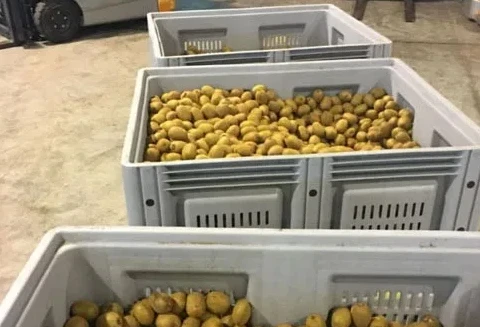
Fresh produce needs packaging that can handle repeated harvesting cycles, washing, cooling, and transportation. I have seen more farms move from wooden crates to plastic harvest bins because they need containers that perform well in daily agricultural operations. Plastic bins are easier to clean, stronger during handling, and better suited for modern supply chains.
Why Use Plastic Harvest Bins Instead of Wooden Crates?
Wooden crates were widely used in agriculture for many years. However, many growers now look for more reliable reusable containers because produce handling requires better hygiene, durability, and efficiency.
Plastic harvest bins offer a cleaner and more durable option compared with wooden crates. They support repeated use, reduce replacement costs, and provide better protection for fresh fruits and vegetables.

When I discuss packaging solutions with agricultural customers, I usually start with their daily problems. A container that works for one harvest season may not be enough for a large farm or packing facility. The right container should support multiple cycles and reduce labor during the whole process.
Food-Safe Materials Improve Fresh Produce Handling
Food safety is one of the first things agricultural buyers consider. Plastic harvest bins made from food-grade PP or HDPE materials provide a cleaner option for direct produce handling.
The smooth plastic surface does not absorb water like wood. It also reduces areas where dirt and moisture can remain after use. This makes cleaning and sanitation easier.
Many farms wash their containers after every harvest cycle. Plastic bins can handle repeated cleaning without losing their shape. This is especially important for packing houses and exporters that need consistent hygiene standards.
|
Feature |
Plastic Harvest Bins |
Wooden Crates |
|
Surface |
Smooth and easy to clean |
Can absorb moisture |
|
Reuse |
Multiple harvest cycles |
Limited reuse |
|
Hygiene control |
Easier washing and sanitation |
More difficult cleaning |
|
Durability |
Resistant to impact |
Can break or create splinters |
Durable Structure Supports Repeated Agricultural Use
Agricultural environments are demanding. Harvest bins are often dropped, stacked, moved by workers, and transported over long distances.
A strong plastic bulk bin is designed to handle these conditions. HDPE and PP materials provide good impact resistance and stable performance during daily use.
I often compare a good harvest bin to a reliable farm tool. Farmers do not want equipment that needs frequent replacement during busy seasons. A durable container helps reduce interruptions and keeps harvesting operations moving.
Unlike wooden crates, plastic bins do not create splinters or broken pieces that can damage produce. Their stable structure also helps protect fruits and vegetables during transportation.
Ventilated Design Improves Cooling Efficiency
Fresh produce continues to release heat after harvesting. Good airflow helps remove field heat and supports better storage conditions.
Vented harvest bins include openings on the sides and bottom to improve air circulation. They are commonly used for fruits and vegetables that require fast cooling after picking.
For products such as apples, citrus fruits, tomatoes, and leafy vegetables, proper ventilation can help maintain quality during cold storage and transportation.
Key Features of Agricultural Plastic Harvest Bins
A good agricultural container should match the product, handling method, and storage environment. Different farms and supply chains may require different designs.
Agricultural plastic harvest bins are available in different structures, including vented and solid wall designs. Buyers can select the right option based on cooling needs, protection requirements, and transportation conditions.

Vented and Solid Wall Options
Vented harvest bins are designed for products that need airflow. The open design helps improve cooling efficiency and reduce heat buildup during storage.
They are commonly used for fresh fruits, vegetables, and products that move through cold chain systems.
Solid wall plastic bins provide stronger protection against dust and external impact. They are suitable for warehouses, transportation, and applications where product protection is more important than airflow.
I usually recommend customers choose the structure first before selecting the size. The wrong design can increase handling problems even when the container itself is durable.
Stackable Design Improves Storage Efficiency
Space is valuable in farms, warehouses, and distribution centers. Stackable plastic harvest bins help users store more products in the same area.
A reinforced design allows loaded bins to stack securely. Many models can also work with forklifts and other material handling equipment.
This reduces manual handling and makes warehouse operations smoother. For large agricultural operations, better stacking efficiency can directly improve daily productivity.
Reusable Design Reduces Long-Term Costs
Many agricultural businesses calculate only the purchase price of containers. In practice, the total cost depends on how many times the container can be used.
Reusable produce containers can support many harvesting cycles. They reduce the need for frequent replacement and help businesses build a more efficient packaging system.
Plastic bins can also be recycled at the end of their service life, which supports more sustainable material management.
Applications of Plastic Harvest Bins
Plastic harvest bins are used across different agricultural industries. Their design makes them suitable for harvesting, storage, and distribution.
Plastic harvest bins support fruit farms, vegetable growers, packing facilities, and agricultural exporters with reliable reusable handling solutions.
Fruit Harvesting
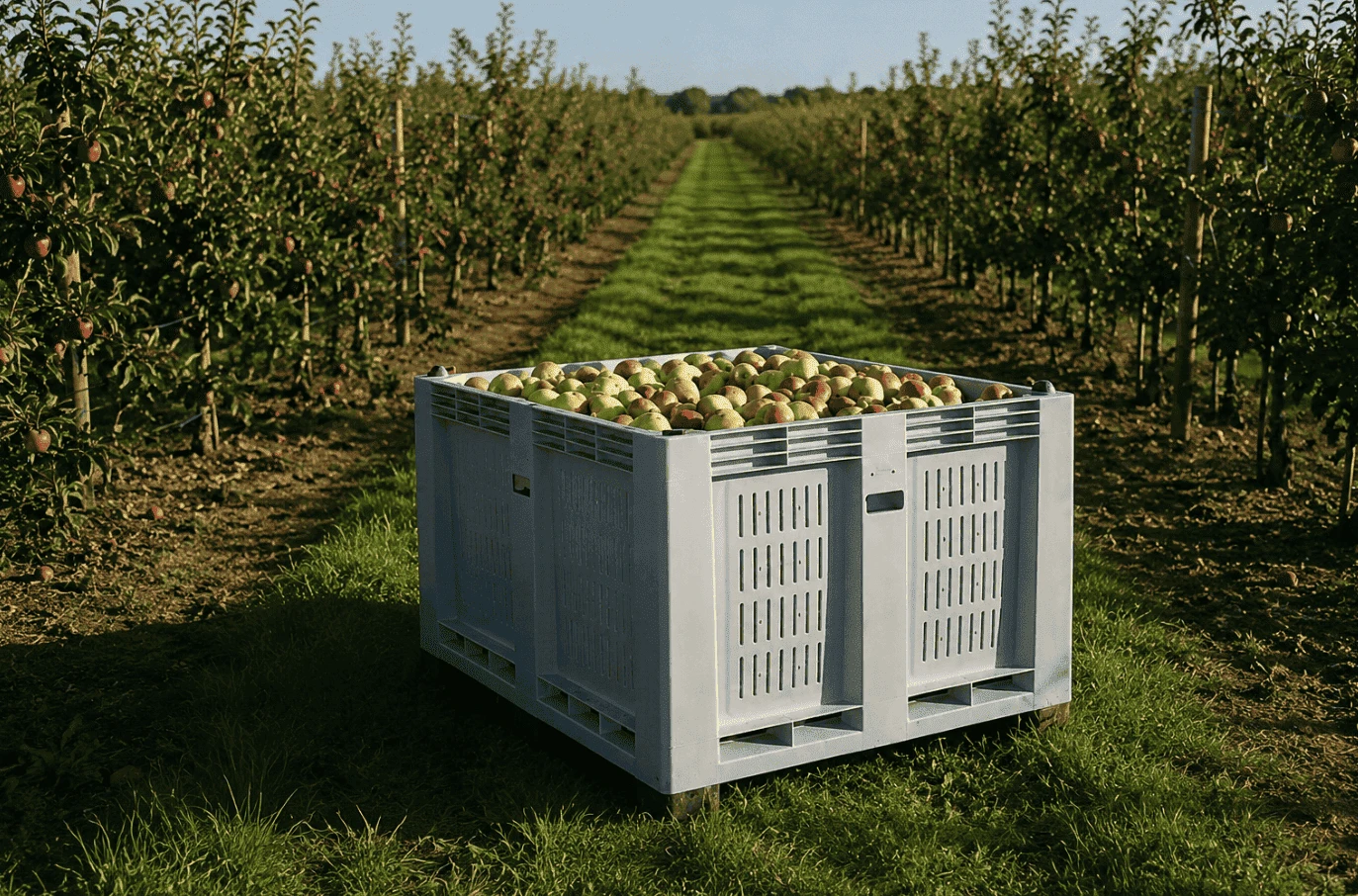
Fruit farms use plastic harvest bins for products such as apples, pears, citrus fruits, and stone fruits.
Large capacity bins help workers collect more products with fewer containers. Their strong structure also helps protect fruits during movement from fields to packing areas.
Vegetable Farming
Vegetable growers use plastic bins for tomatoes, peppers, leafy vegetables, and root crops.
Ventilated designs are useful for vegetables that need airflow after harvesting. The containers can move directly from farms to washing, sorting, and storage areas.
Agricultural Packing and Distribution
Packing centers and exporters need containers that can support repeated logistics operations.
Plastic harvest bins are used in sorting centers, cold storage facilities, and export transportation. Their stackable design helps improve warehouse organization and transportation efficiency.
How Plastic Harvest Bins Improve Agricultural Supply Chains
Agricultural supply chains require fast movement from harvest to final delivery. Poor packaging can increase labor costs and product loss.
Plastic harvest bins improve agricultural supply chains by reducing handling steps, supporting reusable systems, and providing stable performance during storage and transportation.

Reduce Labor During Harvesting
Large capacity agricultural bulk bins reduce the number of containers needed during harvesting.
Workers spend less time moving small crates and more time collecting produce. This helps improve efficiency during busy harvest periods.
Improve Storage and Transportation Efficiency
Stackable plastic bins help warehouses use available space better. They also provide stable loading during transportation.
For exporters and distributors, consistent container sizes make planning easier. Standardized handling also reduces problems during loading and unloading.
Support Reusable Packaging Systems
Many modern agricultural businesses are building reusable packaging systems. Plastic harvest containers fit well into these closed-loop operations.
Instead of buying disposable packaging every season, companies can use durable containers across multiple cycles. This approach helps control long-term packaging costs.
How to Choose the Right Agricultural Plastic Bin?
Choosing the right plastic harvest bin depends on the product, working environment, and logistics process.
Buyers should consider ventilation requirements, container size, load capacity, and material strength before selecting an agricultural plastic bin.
I usually suggest customers check three main points. First, select vented or solid wall designs according to the produce type. Second, choose the right capacity based on harvesting volume and transportation methods. Third, confirm stacking requirements and expected reuse frequency.
For large farms, agricultural bulk bins may provide better efficiency than small crates. For delicate products, ventilation and protection become more important.
Why Choose Enlightening Pallet as Your Plastic Harvest Bin Supplier?
Choosing the right supplier is important for businesses that need stable quality and long-term cooperation.
Enlightening Pallet provides food-grade plastic handling solutions with manufacturing experience, customization options, and reliable production capacity for global agricultural customers.
I work with customers who need consistent products for repeated orders. Enlightening Pallet has more than 20 years of manufacturing experience in plastic logistics products.
Our factory uses more than 60 injection molding and rotational molding machines. We provide custom colors, logo printing, and customized solutions for different agricultural applications.
We follow ISO 9001 quality management systems and provide products with certifications including FDA, SGS, CE, REACH, and RoHS. Every production process includes material inspection, manufacturing control, and final quality checks.
Conclusion
Plastic harvest bins provide a durable, hygienic, and reusable solution for modern agricultural produce handling.
About Enlightening Pallet
Enlightening Pallet is a plastic logistics products manufacturer with more than 20 years of production experience in China. We provide customized plastic handling solutions for brands, distributors, and global customers.
Our products include plastic pallets, pallet boxes, plastic bins, and reusable containers. With over 60 injection molding and rotational molding machines, we support stable production and customized projects.
We provide:
- Food-grade plastic materials
- OEM colors and logo customization
- Custom mold development
- Global export support
Our quality system follows ISO 9001 standards. We provide material testing, production inspection, and final quality checks to ensure reliable product performance.
Enlightening Pallet works with customers worldwide to provide reusable packaging solutions for agriculture, food processing, logistics, and industrial applications.
FAQ
Q: Are plastic harvest bins suitable for food contact applications?
A: Yes. Food-grade PP and HDPE materials provide a safe and easy-to-clean solution for fresh produce handling.
Q: Can plastic harvest bins be reused for multiple seasons?
A: Yes. Their durable structure supports repeated washing, stacking, and long-term agricultural use.
Q: What is the difference between vented and solid wall harvest bins?
A: Vented bins improve airflow for fresh produce, while solid wall bins provide stronger protection during storage and transport.
Q: Can the color and logo be customized?
A: Yes. Manufacturers can provide OEM colors, logos, and customized solutions for bulk orders.