


How To Evaluate A Stackable Plastic Pallet Factory Before Placing An Order?
Leave a message
A factory can quote a low price and still create high risk. This often happens when buyers skip factory evaluation before ordering.
Evaluate a stackable plastic pallet factory by checking production capacity, material control, mold capability, load testing, quality inspection, customization support, delivery stability, and how clearly the factory answers technical questions.
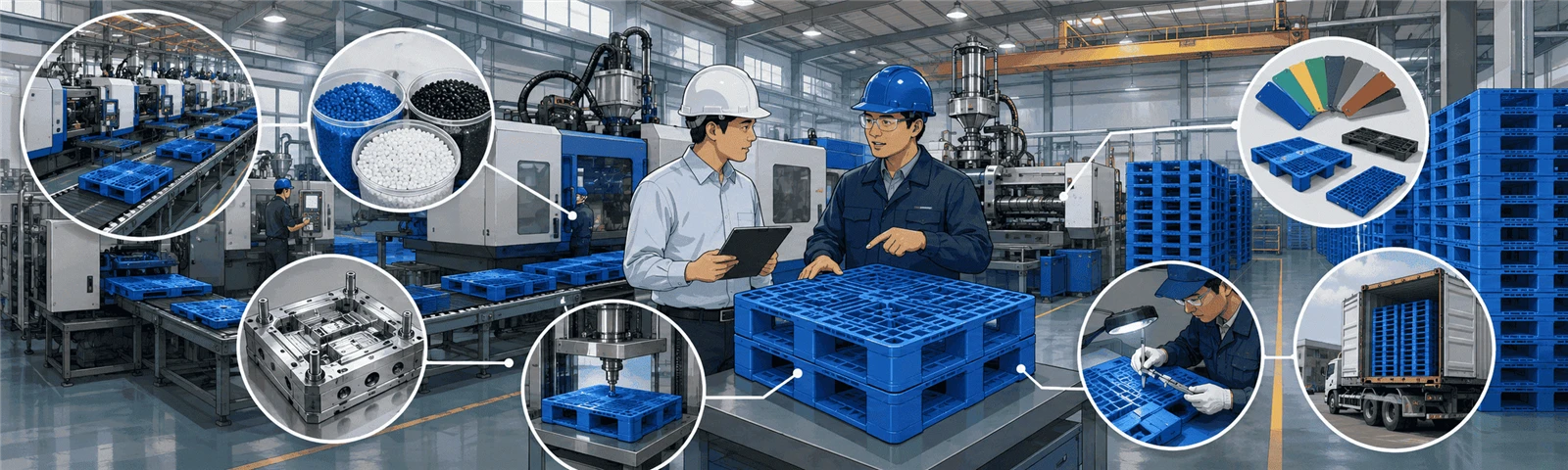
A factory evaluation should be treated as a risk-control step, not a paperwork step. A stackable plastic pallet is used under loaded goods, forklifts, warehouse stacking, and repeated handling. If the factory cannot control material, molding, load performance, and delivery, the buyer may face product damage, complaints, warranty cost, or delayed projects. This is why buyers should evaluate the factory before comparing the final price.
What Should Buyers Check First in a Stackable Plastic Pallet Factory?
Many buyers start with the unit price. Buyers should start with the factory's ability to make the same pallet again and again.
First check whether the stackable plastic pallet factory has real production equipment, stable molds, material control, quality inspection, and experience with pallet applications similar to the buyer's project.
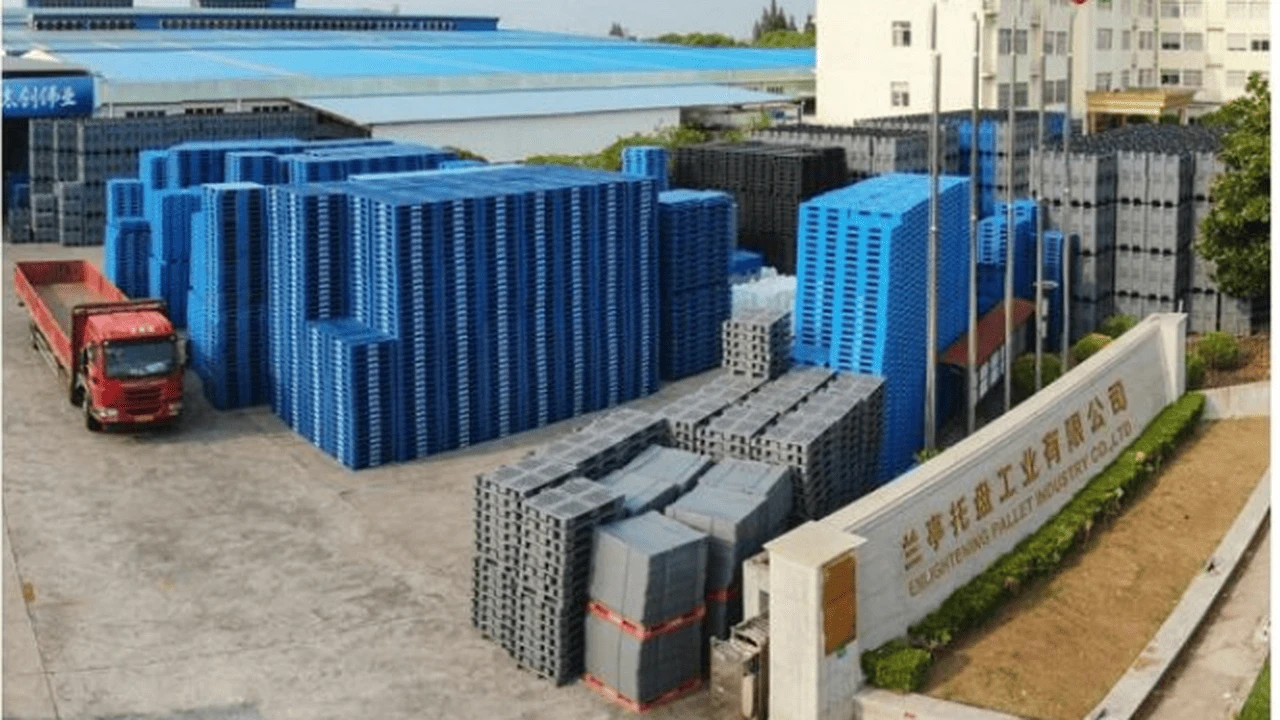

Buyers should look for production reality, not only product photos
When buyers evaluate a stackable plastic pallet factory, they should first ask what the factory can actually produce. A trading company may show many products, but it may not control the mold, material, or production schedule. A real factory should understand pallet structure, injection molding process, raw material choice, and load requirements. It should also know why a stackable pallet is different from a rackable or nestable pallet.
Buyers should also check if the factory has enough equipment for the pallet size and order volume. Stackable plastic pallets are large molded products. They need suitable machines, stable molds, and experienced operators. If the machine capacity is too limited, the factory may have unstable lead time when several orders come together.
| What buyers should check first | Why it matters |
|---|---|
| Production equipment | Large pallets need suitable molding machines |
| Mold ownership | Mold control affects quality and delivery stability |
| Product experience | The factory should understand stackable pallet use cases |
| Material control | HDPE and PP quality affects strength and lifespan |
| Quality team | Inspection prevents defects before shipment |
Buyers should also ask for basic factory information before sampling. This includes production photos, machine list, existing pallet models, loading data, and previous export experience. Buyers do not need a perfect presentation. They need clear answers and evidence that match the real product.
How Should Buyers Evaluate Material Control and Plastic Quality?
Material looks invisible after molding. But it decides strength, impact resistance, odor, color stability, and long-term use.
Evaluate material control by asking what plastic the factory uses, whether it controls HDPE or PP sources, how it handles recycled material, and whether it can support testing or certification needs.
Material choice must match the use environment
When the supplier helps buyers evaluate a stackable plastic pallet factory, it always asks about material before price. Many stackable plastic pallets use HDPE or PP. HDPE is often chosen for impact resistance and moisture resistance. PP can work well for harder structures and some specific handling conditions. But the material grade, mix, and source matter. A cheap pallet can fail if the material is weak or inconsistent.
The supplier also asks whether the buyer needs virgin material, recycled material, or a controlled blend. For food, beverage, pharmaceutical, or clean warehouse applications, material requirements may be stricter. For industrial storage, a recycled material option may be acceptable if the factory controls performance and testing. The factory should not answer material questions with vague words like "good plastic." It should explain what material is used and why.
| Material question | What a reliable factory should explain |
|---|---|
| HDPE or PP? | Which material fits the load, temperature, and impact needs |
| Virgin or recycled? | What the project requires and what trade-offs exist |
| Color stability | How color is controlled across batches |
| Odor or contamination risk | How material is stored and checked |
| Certification needs | Whether documents or third-party tests can be supported |
Buyers should also look for honesty. If a factory says every material is perfect for every use, buyers should be cautious. A good factory explains limits. It will tell buyers when recycled material is not suitable, when cold-room use needs extra checking, and when a sample test is needed before bulk order.
How Can Buyers Judge Mold and Structural Design Capability?
A strong pallet does not come from material alone. The mold and structure decide how the load moves through the pallet.
Judge mold and structural capability by checking deck design, ribs, runners, bottom support, stacking contact points, mold condition, and whether the factory can explain load performance clearly.

Structure decides stacking safety
A stackable plastic pallet must carry weight through the top deck, internal ribs, and bottom structure. When loaded pallets are stacked on the warehouse floor, the pressure moves from one layer to another. If the deck is too thin, the pallet may bend. If the runners or feet are poorly designed, the pallet may become unstable. If the ribs are weak, the pallet may crack after repeated forklift handling.
Buyers should ask the factory to explain the pallet structure. Buyers should know why the top deck is open or closed, why the bottom uses runners or a perimeter base, and where the main reinforcing ribs are placed. A good factory should be able to connect design choices with real use. It should also explain whether the pallet is only stackable or also suitable for racking. These are not the same.
| Structural point | What buyers should confirm |
|---|---|
| Top deck | Supports cartons, bags, crates, or containers evenly |
| Bottom structure | Transfers load safely during stacking |
| Ribs | Reduces bending and improves impact resistance |
| Fork entry | Matches forklift or pallet jack use |
| Mold condition | Keeps dimensions stable across production batches |
If a project needs a custom size, custom color, custom logo, or custom mold, buyers should also evaluate the factory's engineering communication. A capable factory should review drawings, explain mold cost, confirm lead time, and warn the buyer about design risks before opening a mold.
What Quality Tests Should Buyers Ask For Before Ordering?
A load number in a catalog is not enough. Buyers may accept numbers without knowing how they were tested.
Before ordering from a stackable plastic pallet factory, ask for static load, dynamic load, stacking test, impact check, dimensional inspection, material confirmation, and sample testing when the project risk is high.
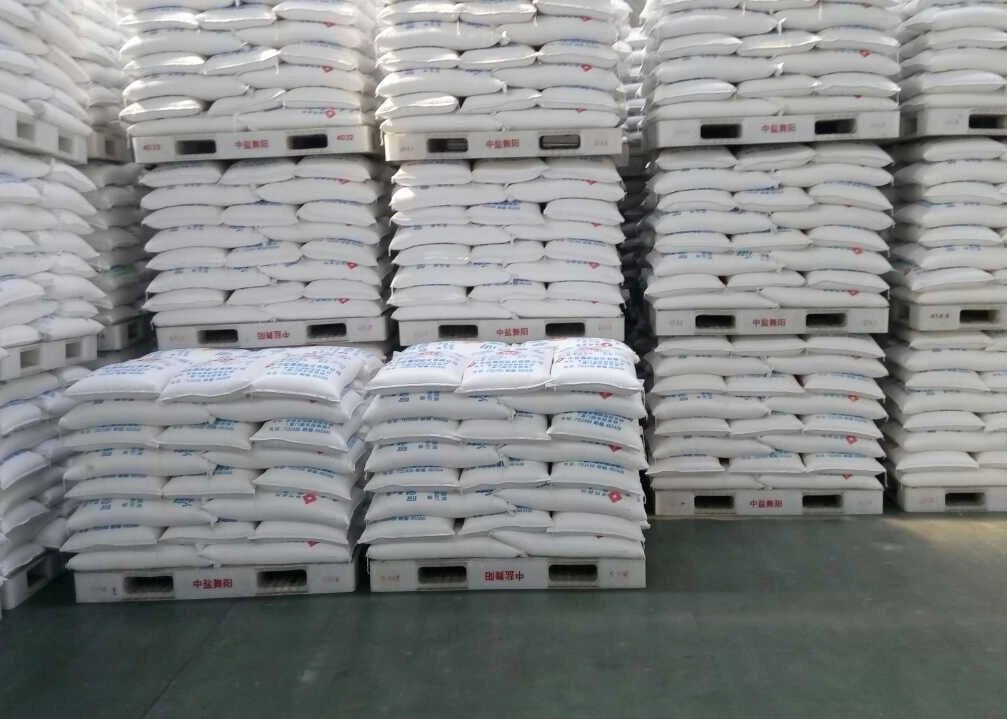

Test reports should match the real application
When reviewing quality, buyers should separate static load, dynamic load, and racking load. Static load means the pallet is standing still on the floor. Dynamic load means the pallet is moving with forklift or pallet jack. Racking load means the pallet is supported by rack beams. For a stackable plastic pallet, static load and dynamic load are usually the first checks. If the buyer wants to use the pallet in racks, racking load must be confirmed separately.
Buyers should also ask how the factory checks finished products. For stackable pallets, small dimensional changes can affect stacking, forklift entry, and container loading. Surface defects may also affect hygiene, cleaning, or product contact. A reliable factory should have incoming material checks, production checks, and final inspection before shipment.
| Test or inspection | Why buyers should ask for it |
|---|---|
| Static load | Confirms loaded floor stacking ability |
| Dynamic load | Confirms movement under forklift or pallet jack use |
| Impact resistance | Checks daily handling durability |
| Dimensional inspection | Supports stacking, storage, and transport fit |
| Sample trial | Reduces risk before bulk order |
| Third-party testing | Useful for high-value or regulated projects |
Not every project needs expensive testing. But every project needs clear quality logic. If a factory cannot explain how it gets load data, the buyer should be careful. A strong supplier should be able to support a sample trial and adjust the recommendation based on test feedback.
How Should Buyers Evaluate Customization, Lead Time, and Delivery Stability?
A factory may make a good sample but still fail the project if delivery is unstable or customization is poorly managed.
Evaluate customization and delivery by checking mold options, color control, logo methods, sample timing, bulk lead time, packaging plan, export experience, and how the factory handles order changes.

A good factory manages the full order process
Many B2B buyers need more than a standard pallet. They may need a specific size, a color for warehouse zoning, a logo for brand control, or a structure for a special load. This is where factory communication becomes important. A good stackable plastic pallet factory should explain what can be customized with an existing mold and what requires a new mold. It should also explain the sample process and expected lead time.
Buyers should also evaluate packaging and shipment planning. Plastic pallets are large products. Container loading, pallet stacking, wrapping, and export documents can affect the final delivery cost. A factory with export experience should help the buyer understand loading quantity, packaging method, and delivery schedule before the order is confirmed.
| Order factor | What buyers should check |
|---|---|
| Existing mold | Faster lead time and lower development cost |
| New mold | Better fit for custom projects but needs more planning |
| Color customization | Useful for warehouse zones or brand needs |
| Logo customization | Useful for distributors and brand owners |
| Sample time | Shows how quickly the factory can respond |
| Bulk production schedule | Shows whether delivery can meet the project plan |
| Export packaging | Affects damage risk and container use |
Buyers should also watch how the factory handles questions. Slow, vague, or changing answers before the order can become bigger problems after payment. Clear communication is part of supplier quality.
What Red Flags Should Buyers Watch for Before Paying a Deposit?
Most problems show early signs. Buyers should find them before payment, not after the container is ready.
Watch for vague load data, unclear material answers, no sample support, no inspection process, unrealistic prices, weak export experience, and a factory that cannot explain stackable pallet structure.

Red flags usually appear in technical answers
Buyers should be careful when a supplier only talks about price and avoids technical details. A stackable plastic pallet factory should be able to explain material, structure, load rating, production process, and inspection. If the factory cannot answer these basic questions, the buyer may be dealing with a reseller, a weak factory, or a supplier that does not fully understand the application.
Another red flag is an unrealistic promise. If a factory says every pallet can handle every warehouse use, that is not a professional answer. Stackable pallets, rackable pallets, and nestable pallets have different structures. A good supplier should help the buyer choose the right type, even if that means recommending another model.
| Red flag | Why it matters |
|---|---|
| Only one "load capacity" number | Static, dynamic, and racking loads are different |
| No material detail | Material affects strength and long-term stability |
| No sample option | Buyer cannot verify real use before bulk order |
| No inspection process | Defects may reach shipment stage |
| Price far below market | Material or weight may be reduced |
| No export documents | International delivery may face delays |
| Cannot explain pallet type | The product may not match warehouse use |
Buyers should also keep all technical confirmations in writing. This includes size, weight, material, load rating, color, logo, packaging, lead time, payment terms, and inspection standards. Clear records reduce disputes.
What Should the Final Factory Evaluation Checklist Include?
A checklist helps the buyer compare factories fairly. It also helps the factory give a better recommendation.
The final stackable plastic pallet factory checklist should cover application, material, mold, load testing, inspection, customization, lead time, export support, certificates, and after-sales response.
Practical pre-order checklist
Before placing an order, the supplier should review the project with the buyer using a simple checklist. This is especially useful for distributors, wholesalers, brand owners, and procurement managers who need to compare several factories. The checklist makes the discussion more practical and less emotional. It also helps separate a real manufacturing partner from a supplier that only competes on price.
| Evaluation area | Questions to ask |
|---|---|
| Application | Will the pallet be used for floor stacking, transport, or warehouse staging? |
| Material | Is the pallet HDPE, PP, virgin, recycled, or blended? |
| Load rating | What are the static and dynamic load values? |
| Structure | Is the pallet truly stackable, or also rackable if needed? |
| Mold | Is there an existing mold, or does the project need custom tooling? |
| Quality control | What inspections happen before shipment? |
| Certification | Can the factory support ISO 9001, CE, REACH, ROHS, SGS, FDA, or GRS needs? |
| Delivery | What is sample time, production time, and container loading plan? |
| Communication | Does the factory answer technical questions clearly? |
Enlightening Plast has more than 20 years of plastic pallet production experience. The company uses injection molding and rotational molding equipment for different product needs. It can support custom color, custom logo, and custom mold when the project needs it. The company believes the best order starts with clear use details. The more the factory knows before production, the easier it is to reduce risk.
Conclusion
Evaluate the factory by production control, not price alone. A reliable supplier should prove material, structure, testing, delivery, and communication quality.
Need Help Choosing the Right Stackable Plastic Pallet Factory?
If buyers are not sure which stackable plastic pallet factory fits their project, the Enlightening Plast team can help check the size, load, structure, material, use environment, and purchase quantity before the order is placed.
Please contact the Global Business Development Manager:
Elaine
Email: sales29@cnpreface.com
Phone: +86 13173207232
Buyers can also send their pallet size, load weight, purchase quantity, and application details. The team will help match a suitable plastic pallet solution.


