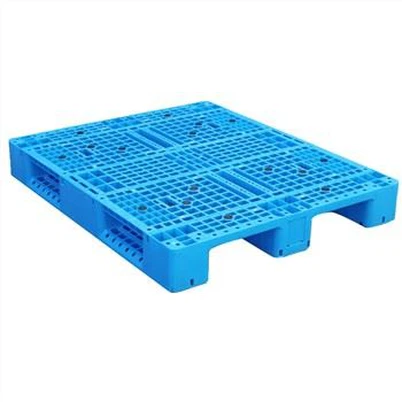
Are Plastic Pallets Resistant To Mold And Mildew?
Leave a message

Plastic pallets are highly resistant to mold and mildew, especially when manufactured from non-porous materials such as HDPE or PP. Unlike wood pallets, plastic pallets do not readily absorb moisture, making them suitable for warehouses, food handling, cold storage, agriculture, and other environments where pallets may encounter water or high humidity.
However, mold resistance does not mean that plastic pallets can never develop surface mold. Food residue, dirt, standing water, and other organic contamination can support mold growth on almost any surface. Regular cleaning and proper drying remain important for maintaining pallet hygiene.
For companies comparing plastic pallets vs wood pallets, moisture resistance and easy cleaning are important factors in pallet selection.
Why Are Plastic Pallets Resistant to Mold and Mildew?
Most industrial plastic pallets are manufactured from materials such as high-density polyethylene (HDPE) or polypropylene (PP). These materials have a non-porous structure and do not readily absorb water like wood.
This gives plastic pallets several advantages in humid environments:
- Low moisture absorption
- No wood fibers that retain water
- Easy surface cleaning
- Easy drying after washing
- Good resistance to repeated moisture exposure
- No splinters or exposed nails
Plastic pallets therefore do not retain moisture in the same way as wooden pallets.
For applications involving water, condensation, humidity, or wet products, this moisture resistance can simplify pallet cleaning and maintenance.

Do Plastic Pallets Get Moldy?
Plastic itself does not normally provide a suitable food source for mold. However, mold can still develop on contaminants left on a plastic pallet surface.
For example, pallets used for fruit, vegetables, seafood, dairy products, or other organic materials can collect:
- Food residue
- Soil
- Organic debris
- Water
- Dust
- Packaging residue
If these materials remain on the pallet in warm or humid conditions, mold can develop on the contamination rather than inside the plastic material.
For this reason, mold resistant plastic pallets still require regular cleaning, especially in food processing, agriculture, cold storage, and other hygiene-sensitive environments.
Plastic Pallets vs Wood Pallets for Mold Resistance
The main difference between plastic pallets and wood pallets is their response to moisture.
| Feature | Plastic Pallets | Wood Pallets |
|---|---|---|
| Moisture absorption | Very low | High |
| Mold resistance | High | Lower |
| Surface cleaning | Easy | More difficult |
| Water exposure | Suitable | Can cause moisture absorption |
| Sanitization | Easier | More difficult |
| Splinters | No | Possible |
| Reuse | High | Depends on condition |
| Hygiene control | Easier | Requires more attention |
Wood is a porous natural material that can absorb and retain moisture. Prolonged moisture exposure can create conditions favorable for mold and mildew.
Plastic pallets have a non-porous structure, which provides better resistance to moisture-related problems.
This makes plastic pallets vs wood pallets an important consideration for wet environments and hygiene-sensitive logistics.
Are 6 Runner Plastic Pallets Resistant to Mold?
Yes. 6 runner plastic pallets manufactured from HDPE or other suitable plastics provide the same basic moisture-resistance benefits associated with plastic pallets.
The six-runner structure provides multiple support points underneath the pallet and is designed for stable handling, storage, and transportation.
A 6-runner plastic pallet can be used for:
- Warehouse storage
- Product distribution
- Closed-loop logistics
- Export shipping
- Forklift handling
- Pallet stacking
- Industrial material handling
Load capacity depends on pallet design, material, reinforcement, load distribution, and operating conditions. A 1200 × 1000 × 150 mm 6-runner plastic pallet, for example, can be designed with a static load capacity of up to 4 tons depending on the specific configuration.
Are Plastic Pallets Good for Wet Environments?
Plastic pallets are well suited to wet and humid environments because they do not absorb moisture like wood pallets.
Common applications include:
Cold Storage
Cold storage facilities can experience condensation and frequent temperature changes. Plastic pallets are easier to wash and dry, making them suitable for cold-chain handling.
Food Processing
Food processing facilities require pallets that can be cleaned regularly. Plastic pallets provide washable surfaces and do not produce wood splinters or fragments.
Agriculture
Agricultural products can expose pallets to soil, water, plant material, and changing environmental conditions. Plastic pallets can be washed and reused after handling.
Seafood Handling
Seafood operations commonly involve water, ice, and high humidity. Moisture-resistant plastic pallets can simplify cleaning and routine handling.
Warehousing
Warehouses use pallets for storage, handling, and transportation. Reusable plastic pallets provide consistent dimensions and can withstand repeated handling when properly selected.
How to Clean Plastic Pallets to Prevent Mold
Although plastic pallets are resistant to mold and mildew, regular cleaning helps remove contaminants that could support surface mold growth.
A basic cleaning process includes:
Remove loose dirt and debris
Soil, food particles, packaging residue, and other contaminants should be removed from the pallet.
01
Wash the pallet
Water and a suitable cleaning detergent can be used to clean the deck, corners, and runner areas.
02
Rinse thoroughly
All remaining detergent and loosened contaminants should be removed.
03
Allow the pallet to dry
Complete drying helps prevent moisture from remaining on the pallet surface.
04
Inspect before reuse
Cracks, deformation, damaged runners, or other defects should be checked before the pallet returns to service.
05
For food, pharmaceutical, or chemical applications, cleaning procedures should follow the requirements of the specific facility and application.
Why Are Plastic Pallets Easier to Maintain?
One of the main advantages of reusable plastic pallets is their relatively simple maintenance.
Unlike wood pallets, plastic pallets do not contain:
- Absorbent wood fibers
- Splinters
- Exposed nails
- Broken boards
- Wood fragments
Smooth plastic surfaces can be washed more easily, which is useful for logistics operations that repeatedly move products through storage and transportation stages.
This feature is particularly valuable when pallets are regularly exposed to moisture, dirt, or food residue.
Are Plastic Pallets Suitable for Food Storage and Transport?
Plastic pallets are widely used in food-related logistics because they are moisture resistant and easier to clean than many traditional wooden pallets.
For food applications, pallet selection should consider:
- Material specification
- Food-contact requirements where applicable
- Cleaning procedures
- Load capacity
- Temperature conditions
- Pallet dimensions
- Handling equipment
- Hygiene requirements
For applications requiring enhanced hygiene control, a purpose-designed hygienic plastic pallet can provide a more suitable solution than a general industrial pallet.
What Makes a Good Plastic Pallet for Humid Conditions?
Mold resistance is only one factor when selecting plastic pallets for humid environments.
Material
HDPE and PP are commonly used for industrial plastic pallets. Material selection affects strength, durability, temperature performance, and chemical resistance.
Pallet Structure
The deck and runner design affect load distribution, handling stability, and cleaning access.
Load Capacity
The required dynamic, static, and rack loads should be confirmed before pallet selection.
Handling Compatibility
Pallet dimensions and entry design should match the forklifts and pallet trucks used in the facility.
Cleaning Requirements
Pallets used in frequently washed environments should have a design that allows efficient cleaning of the deck and runner areas.
Reinforcement
Steel reinforcement can be used on selected pallet models where additional load support is required. The specific reinforcement configuration should be matched to the required application and load conditions.
Are 6 Runner Plastic Pallets Good for Warehouse Use?
Yes. A 6 runner plastic pallet provides stable support for warehouse storage, product distribution, transportation, and industrial handling.
The six runners distribute loads across the underside of the pallet and provide multiple contact points with floors and handling equipment.
For warehouse applications, pallet selection should consider:
- Load weight
- Rack type
- Forklift type
- Pallet dimensions
- Storage method
- Reuse frequency
- Operating temperature
- Indoor or outdoor conditions
A pallet suitable for floor stacking may not have the same performance when used in pallet racking. Rated capacity should always be confirmed for the intended storage system.

Plastic Pallets for Mold-Prone Environments
For operations in humid or mold-prone environments, plastic pallets can reduce several maintenance issues associated with wooden pallets.
They are particularly suitable for applications involving:
- High humidity
- Water
- Condensation
- Ice
- Wet products
- Frequent washing
- Outdoor exposure
Plastic pallets should still be cleaned and dried properly. Mold resistance comes from the properties of the plastic material, while effective sanitation depends on proper handling and maintenance.
How Long Do Plastic Pallets Last?
The service life of a plastic pallet depends on material, design, load, handling method, temperature, impact, and frequency of use.
A properly selected reusable plastic pallet can be used repeatedly for years when operated within its rated conditions.
Actual service life varies between applications. Heavy forklift traffic, excessive loads, impacts, extreme temperatures, and improper handling can shorten pallet life.
The most accurate evaluation should therefore consider the pallet's material, load rating, operating environment, and handling conditions.
Why Choose Plastic Pallets Over Wood Pallets?
For companies operating in humid, wet, or hygiene-sensitive environments, plastic pallets provide several practical advantages:
- Better moisture resistance
- High resistance to mold and mildew
- Easy cleaning
- No splinters
- No exposed nails
- Consistent dimensions
- Reusable design
- Suitable for repeated handling
- Multiple size and load options
Wood pallets remain suitable for many conventional logistics applications. However, plastic pallets can offer clear advantages where moisture resistance, hygiene, cleaning, and repeated reuse are important.
Conclusion
Plastic pallets are highly resistant to mold and mildew because HDPE and PP do not readily absorb moisture and do not provide the organic structure found in wood. This makes plastic pallets suitable for warehouses, food processing, agriculture, cold storage, seafood handling, and other applications where moisture and hygiene are important.
A 6 runner plastic pallet combines the moisture resistance of plastic with a stable runner structure for storage, transportation, distribution, and industrial handling.
Plastic pallets are not maintenance-free. Food residue, dirt, and standing water can still support mold growth on the surface. Regular cleaning, rinsing, and drying remain important for maintaining pallet hygiene and long-term performance.
For companies comparing plastic pallets vs wood pallets, moisture resistance, cleaning requirements, load capacity, handling compatibility, and expected service life should all be considered during pallet selection.
Plastic Pallet Manufacturer and Supplier
Enlightening Pallet is a professional plastic pallet manufacturer and supplier in China, providing plastic pallets for warehousing, logistics, food processing, agriculture, cold storage, export shipping, and other industrial applications. The product range includes 6 runner plastic pallets, heavy duty plastic pallets, hygienic plastic pallets, reusable plastic pallets, and other pallet designs.
Plastic pallets are available in different sizes, materials, load capacities, deck designs, and runner configurations to meet different handling and storage requirements. Custom pallet solutions can also be evaluated according to application, load, dimensions, and handling equipment.
Contact Enlightening Pallet
For plastic pallet pricing, specifications, bulk orders, or custom requirements, contact Enlightening Pallet for product details and a suitable pallet recommendation.
FAQ
Q: Are Plastic Pallets Resistant To Mold And Mildew?
A: Yes. Plastic pallets made from HDPE or PP are highly resistant to mold and mildew because they do not readily absorb moisture.
Q: Do Plastic Pallets Get Moldy?
A: Mold can develop on food residue, dirt, or moisture left on the surface, although the plastic material itself does not normally support mold growth.
Q: Are Plastic Pallets Better Than Wood Pallets For Wet Environments?
A: Generally, yes. Plastic pallets resist moisture better than wood and are easier to clean after exposure to water or humidity.
Q: Are 6 Runner Plastic Pallets Resistant To Mold?
A: Yes. 6 runner plastic pallets made from suitable plastics such as HDPE provide strong resistance to moisture, mold, and mildew.
Q: Can Plastic Pallets Be Used In Cold Storage?
A: Yes. Plastic pallets are suitable for cold-chain applications where moisture resistance, durability, and easy cleaning are required.
Q: How Can Mold On Plastic Pallets Be Prevented?
A: Regular cleaning, removal of organic residue, thorough rinsing, and complete drying can help prevent surface mold growth.
Q: Are Plastic Pallets Suitable For Food Applications?
A: Yes. Plastic pallets can be used for food logistics when their material, design, cleaning process, and applicable food-contact requirements meet the application needs.
Q: How Long Do Plastic Pallets Last?
A: Service life depends on material, load, handling, temperature, impact, and usage frequency. Properly selected reusable plastic pallets can provide years of repeated service.