Are 9 feet nestable pallets easy to paint?
Leave a message

As a supplier of 9 Feet Nestable Pallets, I've received numerous inquiries regarding the ease of painting these pallets. This blog post aims to provide a comprehensive analysis of whether 9 feet nestable pallets are easy to paint, considering various factors such as material, surface preparation, and the painting process itself.
Understanding 9 Feet Nestable Pallets
Before delving into the painting aspect, it's essential to understand what 9 feet nestable pallets are. These pallets are designed to be stackable in a nested configuration, which saves significant storage space when not in use. They are commonly used in industries such as logistics, warehousing, and transportation due to their large size and efficient storage capabilities.
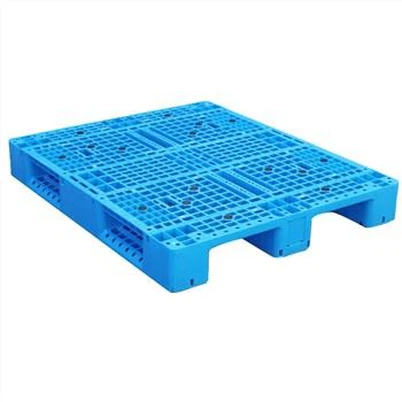
Our company offers a range of high - quality 9 feet nestable pallets that are made from different materials, including plastic. Plastic pallets have gained popularity in recent years due to their many advantages over traditional wooden pallets, such as being lightweight, durable, and resistant to moisture and pests. You can explore our selection of Lightweight Plastic Pallets, One Way Plastic Pallet, and Nestable Disposal Plastic Pallet.
Factors Affecting the Ease of Painting
Material of the Pallet
- Plastic Pallets: Painting plastic pallets can be a bit challenging compared to other materials. Plastic has a smooth, non - porous surface that does not readily accept paint. The paint may not adhere well, leading to peeling or chipping over time. However, with the right preparation and the use of appropriate paints, it is possible to achieve a good finish. Specialized plastic primers are available in the market that can help improve the adhesion of paint to the plastic surface.
- Wooden Pallets: Wooden pallets are generally easier to paint. Wood is a porous material, which allows the paint to soak in and bond better. However, wooden pallets may require some pre - treatment, such as sanding to smooth the surface and remove any rough edges or splinters. This ensures a more even and professional - looking paint job.
Surface Preparation
- Cleaning: Regardless of the material, the first step in painting any pallet is to clean the surface thoroughly. Dirt, grease, and debris can prevent the paint from adhering properly. For plastic pallets, a mild detergent and water solution can be used to clean the surface. For wooden pallets, a more heavy - duty cleaner may be required, especially if the pallets have been used in dirty or oily environments.
- Sanding: As mentioned earlier, sanding is an important step, especially for wooden pallets. It helps to create a rough surface for the paint to grip onto. For plastic pallets, light sanding can also be beneficial, but it should be done carefully to avoid damaging the plastic.
- Priming: Priming is crucial for both plastic and wooden pallets. A good primer creates a base layer that improves the adhesion of the paint. For plastic pallets, a plastic - specific primer is recommended. For wooden pallets, a general - purpose wood primer can be used.
Painting Process
- Type of Paint: The type of paint used also affects the ease of painting and the final result. For plastic pallets, acrylic or epoxy - based paints are often recommended as they have better adhesion properties. For wooden pallets, oil - based or latex paints can be used, depending on the desired finish and durability.
- Application Method: The application method can range from brushing to spraying. Brushing is a more traditional method and allows for more control, especially in hard - to - reach areas. However, it can be time - consuming and may leave brush marks. Spraying, on the other hand, provides a more even and smooth finish, but it requires the use of specialized equipment and proper ventilation.
Advantages of Painting 9 Feet Nestable Pallets
- Branding and Identification: Painting pallets is an effective way to brand your company or identify different types of products. You can paint your company logo, colors, or other markings on the pallets, making them easily recognizable in a warehouse or during transportation.
- Protection: A good paint job can provide an additional layer of protection for the pallets. For plastic pallets, it can help to prevent UV damage, which can cause the plastic to become brittle over time. For wooden pallets, it can protect against moisture and pests, extending their lifespan.
- Aesthetics: Painted pallets look more professional and presentable. This can be important if you are using the pallets in a customer - facing environment or if you want to maintain a high - quality image for your company.
Challenges and Solutions
- Adhesion Issues: As mentioned earlier, adhesion can be a major challenge, especially when painting plastic pallets. To overcome this, ensure proper surface preparation, including cleaning, sanding, and priming. Using the right type of paint and following the manufacturer's instructions for application can also help to improve adhesion.
- Cost and Time: Painting pallets can be a time - consuming and costly process, especially if you have a large number of pallets to paint. However, it is important to consider the long - term benefits, such as branding and protection. To reduce costs and time, you can consider outsourcing the painting process to a professional painting service.
Conclusion
In conclusion, whether 9 feet nestable pallets are easy to paint depends on several factors, including the material of the pallets, surface preparation, and the painting process. While painting plastic pallets can be more challenging due to their smooth surface, with the right techniques and materials, it is possible to achieve a good result. Wooden pallets are generally easier to paint but still require proper pre - treatment.
If you are interested in purchasing 9 feet nestable pallets or have any questions about painting them, please feel free to contact us. We are here to provide you with the best solutions and advice for your pallet needs.


References
- "Painting Plastic Surfaces: Best Practices", Journal of Industrial Painting, Vol. 12, Issue 3
- "Wood Finishing and Painting Techniques", Woodworking Magazine, 2022 Edition