Can perforated plastic pallets be used in food industry?
Leave a message

Hey there! As a supplier of perforated plastic pallets, I often get asked if these pallets can be used in the food industry. Well, let's dive right into it and explore this topic.
Why Perforated Plastic Pallets?
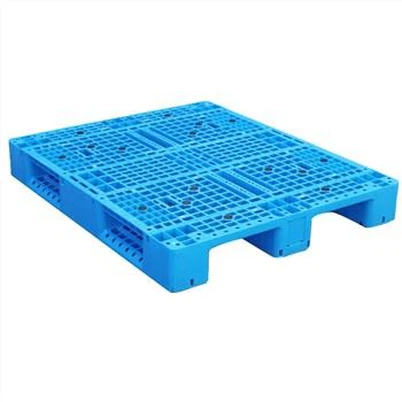
First off, let's talk about what makes perforated plastic pallets special. These pallets have holes or perforations on their surface. This design feature offers several advantages. For starters, it allows for better air circulation. In storage and transportation, proper air circulation can prevent the buildup of moisture, which is a big deal when it comes to food products. Moisture can lead to mold growth, spoilage, and other issues that can ruin a batch of food.
Another benefit of the perforations is that they make the pallets easier to clean. When you're dealing with food, cleanliness is of the utmost importance. You can simply hose down the pallets, and the water will drain through the holes, taking away any dirt, debris, or food particles. This is a huge advantage over traditional wooden pallets, which can absorb liquids and harbor bacteria.
Food Industry Requirements
The food industry has some pretty strict requirements when it comes to the materials and equipment used in food handling and storage. One of the main concerns is hygiene. The pallets need to be made from materials that are non - toxic and won't contaminate the food. Plastic is a great option in this regard. Most perforated plastic pallets are made from high - density polyethylene (HDPE) or polypropylene (PP), which are approved for food contact by regulatory bodies such as the Food and Drug Administration (FDA) in the United States.
In addition to hygiene, the pallets also need to be durable. Food products can be heavy, and the pallets need to be able to withstand the weight without breaking or deforming. Perforated plastic pallets are known for their strength and durability. They can handle heavy loads and are resistant to impacts, scratches, and chemicals. This means they can last a long time, even in a busy food processing or distribution environment.


Types of Perforated Plastic Pallets for the Food Industry
We offer a variety of perforated plastic pallets that are suitable for the food industry. One popular option is the One Way Export Pallet. These pallets are designed for single - use or short - term use, which is great for exporting food products. They are lightweight, yet strong enough to support the weight of the food during transportation.
Another option is the 4 Way Plastic Pallet. As the name suggests, these pallets can be accessed from all four sides, which makes them very versatile. They can be easily moved with forklifts or pallet jacks, and they are ideal for use in warehouses and distribution centers where space is at a premium.
For our Spanish - speaking customers, we also have the Palets De Transporte De Plástico. These pallets are designed to meet the specific needs of the food transportation industry in Spanish - speaking regions. They are available in different sizes and load capacities to suit various food products.
Case Studies
Let's take a look at some real - world examples of how perforated plastic pallets are being used in the food industry. A large dairy company was using wooden pallets to transport their milk products. They were facing issues with mold growth on the pallets, which was contaminating the milk cartons. After switching to our perforated plastic pallets, they noticed a significant improvement in hygiene. The pallets were easy to clean, and there was no more mold growth. This not only improved the quality of their products but also reduced their costs associated with product spoilage.
A fruit and vegetable distributor was also having problems with their wooden pallets. The pallets were absorbing the moisture from the produce, which was causing the pallets to rot. They switched to our perforated plastic pallets, and the air circulation through the holes helped keep the produce fresh for longer. The distributor was able to reduce their losses due to spoilage and improve their overall efficiency.
Environmental Considerations
In today's world, environmental sustainability is a major concern. Perforated plastic pallets are a more environmentally friendly option compared to wooden pallets. Plastic pallets can be recycled at the end of their life cycle, which reduces waste. In contrast, wooden pallets are often discarded after use, which contributes to deforestation.
Challenges and Solutions
Of course, no product is perfect, and there are some challenges associated with using perforated plastic pallets in the food industry. One challenge is the initial cost. Plastic pallets are generally more expensive than wooden pallets. However, when you consider the long - term benefits such as durability, hygiene, and recyclability, the cost - effectiveness becomes clear. Over time, the savings from reduced product spoilage, lower maintenance costs, and longer lifespan of the pallets make them a smart investment.
Another challenge is the perception that plastic is not as "natural" as wood. Some consumers may have concerns about the use of plastic in the food industry. To address this, we can provide information about the safety and regulatory approval of our plastic pallets. We can also highlight the environmental benefits of using recyclable plastic pallets.
Conclusion
So, can perforated plastic pallets be used in the food industry? The answer is a resounding yes! They offer numerous advantages in terms of hygiene, durability, and environmental sustainability. Whether you're a food processor, distributor, or exporter, our perforated plastic pallets can meet your needs.
If you're interested in learning more about our perforated plastic pallets or would like to discuss your specific requirements, don't hesitate to reach out. We're here to help you find the best solution for your food handling and storage needs. Let's work together to improve the efficiency and quality of your food operations.
References
- Food and Drug Administration (FDA) regulations on food - contact materials
- Industry reports on the use of plastic pallets in the food industry
- Case studies from dairy companies, fruit and vegetable distributors, etc.