How do 48 X 48 plastic pallets perform in extreme weather conditions?
Leave a message

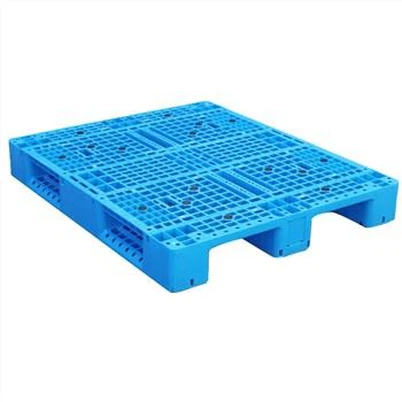
As a supplier of 48 X 48 plastic pallets, I've witnessed firsthand the diverse environments these pallets are subjected to. Extreme weather conditions pose unique challenges, and understanding how our 48 X 48 plastic pallets perform in such situations is crucial for our customers. In this blog, I'll delve into the performance of these pallets in both scorching heat and freezing cold, highlighting their durability and reliability.
Performance in High - Temperature Conditions
When temperatures soar, many materials can start to degrade, warp, or lose their structural integrity. However, our 48 X 48 plastic pallets are designed to withstand high - temperature environments.
The plastics used in our pallets are carefully selected for their heat - resistant properties. Most of our pallets are made from high - density polyethylene (HDPE) or polypropylene (PP). These polymers have high melting points, which means they can maintain their shape and strength even when exposed to elevated temperatures. For instance, HDPE typically has a melting point between 120 - 180°C (248 - 356°F), and polypropylene has a melting point around 160 - 166°C (320 - 331°F).
In outdoor storage facilities or shipping containers during hot summers, the temperature inside can easily reach 50 - 60°C (122 - 140°F). Our 48 X 48 plastic pallets remain stable under these conditions. They do not soften or deform, ensuring that the goods they carry are properly supported. This is in contrast to wooden pallets, which can warp and crack in high - temperature and low - humidity environments, leading to potential damage to the products placed on them.
Moreover, our pallets are UV - stabilized. This means they are treated to resist the harmful effects of ultraviolet (UV) radiation from the sun. Prolonged exposure to sunlight can cause some plastics to become brittle and discolored over time. However, our UV - stabilized 48 X 48 plastic pallets can maintain their physical properties and appearance even after long - term outdoor use. For example, in a sunny warehouse yard where pallets are left outside for weeks or months, our pallets retain their strength and color, providing a reliable solution for storing and transporting goods.
Performance in Low - Temperature Conditions
Cold weather can also be a challenge for pallets. In freezing temperatures, materials can become brittle and more prone to cracking. But our 48 X 48 plastic pallets are engineered to perform well in low - temperature environments.
The polymers used in our pallets have good low - temperature flexibility. HDPE and polypropylene have glass transition temperatures well below freezing. The glass transition temperature is the temperature at which a polymer changes from a hard, glassy state to a more flexible, rubbery state. For HDPE, the glass transition temperature is around - 120°C (- 184°F), and for polypropylene, it is approximately - 20°C (- 4°F). This means that even in extremely cold conditions, our pallets can remain flexible and resistant to cracking.
In cold storage warehouses where temperatures can drop to - 20°C (- 4°F) or lower, our 48 X 48 plastic pallets continue to function effectively. They can be easily handled with forklifts and other material - handling equipment without the risk of breakage. In contrast, wooden pallets can become very brittle in cold weather, and the nails or fasteners used in their construction may loosen, leading to structural failure.
Our pallets also have a consistent structure throughout, which helps them withstand the stresses of cold temperatures. Unlike wooden pallets, which may have knots, cracks, or uneven grain patterns that can act as weak points in cold conditions, our plastic pallets offer a uniform and reliable support surface for goods.
Resistance to Moisture and Corrosion
Extreme weather conditions often come with moisture, whether it's in the form of rain, snow, or high humidity. Our 48 X 48 plastic pallets are highly resistant to moisture and corrosion.
Plastic is a non - porous material, which means it does not absorb water like wood. This is a significant advantage in wet environments. In rainy or snowy conditions, our pallets do not become waterlogged, which could add unnecessary weight and potentially damage the goods on them. Additionally, since they do not absorb water, there is no risk of mold or mildew growth, which can be a problem with wooden pallets.
Corrosion is also not an issue for our plastic pallets. In coastal areas where saltwater spray can cause metal pallets to rust and deteriorate, our plastic pallets remain unaffected. They can be used in marine environments, such as ports and docks, without the need for regular maintenance to prevent corrosion. This makes them a cost - effective and long - lasting solution for transporting and storing goods in wet and corrosive conditions.
Comparing with Other Pallet Types
When compared to wooden and metal pallets, our 48 X 48 plastic pallets have several advantages in extreme weather conditions.
Wooden pallets are highly susceptible to damage in both hot and cold weather. As mentioned earlier, they can warp, crack, and rot in different environmental conditions. They also require regular treatment to prevent pests and decay, which adds to the overall cost of ownership.
Metal pallets, on the other hand, are heavy and can be expensive. In extreme cold, they can become very cold to the touch, which can be a safety hazard for workers handling them. Additionally, metal pallets are prone to corrosion in wet and salty environments, and they may require painting or other protective coatings to prevent rusting.


Our 48 X 48 plastic pallets offer a lightweight, durable, and cost - effective alternative. They are easy to clean, stack, and handle, and their performance in extreme weather conditions makes them a reliable choice for a wide range of industries.
Different Models for Various Needs
We offer a variety of 48 X 48 plastic pallet models to meet different customer requirements. For example, the Flat Top Nine Legs Plastic Pallet is a popular choice. It provides a stable platform for storing and transporting goods, and its nine - leg design offers good support and balance. This model is suitable for both indoor and outdoor use, and its performance in extreme weather conditions makes it a versatile option for many applications.
The Heavy Duty 1000 X 1200 Euro Pallet is another great option. With its heavy - duty construction, it can withstand high loads and is ideal for industrial applications. It also performs well in extreme weather, whether it's hot or cold, ensuring that your goods are safely transported and stored.
Our Warehouse Medium Duty Injection Molding Pallet is designed for medium - duty applications in warehouses. It offers a good balance between strength and cost - effectiveness, and its injection - molded construction ensures a high - quality and uniform product. This pallet can also handle the challenges of extreme weather conditions, providing a reliable solution for warehouse operations.
Conclusion
In conclusion, our 48 X 48 plastic pallets are a reliable choice for businesses that need to store and transport goods in extreme weather conditions. Their performance in high - temperature, low - temperature, wet, and corrosive environments makes them a superior alternative to wooden and metal pallets. With features such as heat resistance, UV stabilization, low - temperature flexibility, moisture resistance, and corrosion resistance, our pallets offer long - term durability and cost - effectiveness.
If you are looking for high - quality 48 X 48 plastic pallets that can withstand extreme weather, we invite you to contact us for procurement and further discussions. Our team of experts is ready to assist you in finding the right pallet solution for your specific needs.
References
- "Plastics in Packaging: Materials, Processing, and Technology" by A. Bandyopadhyay and A. K. Bhowmick.
- "Polymer Science and Technology" by J. A. Brydson.
- Industry reports on pallet performance in different environmental conditions.