What Affects the Load Capacity of Plastic Pallets?
Leave a message

What Affects the Load Capacity of Plastic Pallets?
As a supplier of plastic pallets, I've witnessed firsthand the diverse needs and challenges our customers face when it comes to load capacity. Plastic pallets are an essential component in various industries, from logistics and warehousing to manufacturing and retail. Understanding the factors that affect their load capacity is crucial for ensuring efficient and safe operations.
Material Quality
The quality of the plastic used in pallet manufacturing is a fundamental factor influencing load capacity. High - quality plastics, such as high - density polyethylene (HDPE) or polypropylene (PP), offer better strength and durability. These materials can withstand greater stress and weight without deforming or breaking. For example, HDPE has excellent impact resistance and can handle heavy loads in harsh environments. On the other hand, low - quality plastics may have impurities or inconsistent molecular structures, which can significantly reduce the pallet's load - bearing capacity.
When we produce our Warehouse Stacking Plastic Pallets for Sacks, we use top - grade HDPE. This ensures that the pallets can support the weight of sacks stacked on them, whether in a warehouse or during transportation. The high - quality material also resists damage from chemicals, moisture, and temperature variations, further enhancing its load - carrying ability over time.
Design and Structure
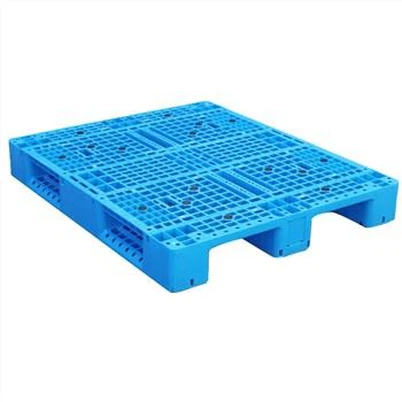
The design and structure of a plastic pallet play a vital role in determining its load capacity. Pallets with a well - thought - out design distribute the weight evenly across the surface, reducing stress concentrations. For instance, pallets with a ribbed or honeycomb structure provide additional support and stiffness. These designs increase the pallet's ability to handle heavy loads without bending or collapsing.
Our Single Face Plastic Pallet features a unique design that maximizes load distribution. The single - face design allows for easy stacking and handling, while the internal ribbing provides the necessary strength. This design is particularly suitable for applications where space is limited and load stability is crucial.
Another important aspect of design is the fork entry. Pallets with multiple fork entries, such as four - way fork entry, offer greater flexibility in handling. They can be easily accessed from different directions, which is beneficial in busy warehouses. The design of the fork entry also affects the load capacity. A well - designed fork entry ensures that the forks can penetrate the pallet smoothly, minimizing the risk of damage to the pallet and ensuring proper weight distribution.
Manufacturing Process
The manufacturing process of plastic pallets can have a significant impact on their load capacity. Injection molding is a common method used to produce plastic pallets. In this process, molten plastic is injected into a mold under high pressure. A well - controlled injection molding process ensures that the plastic is evenly distributed throughout the pallet, resulting in a consistent and strong structure.
Our Warehouse Medium Duty Injection Molding Pallet is manufactured using state - of - the - art injection molding technology. This process allows us to create pallets with precise dimensions and high - quality finishes. The consistent manufacturing process ensures that each pallet meets the required load - capacity standards.
Environmental Conditions
Environmental conditions can also affect the load capacity of plastic pallets. Extreme temperatures, for example, can cause the plastic to expand or contract, which may weaken the pallet's structure. In hot environments, plastic pallets may become softer and more prone to deformation under heavy loads. Conversely, in cold temperatures, the plastic may become brittle and more likely to crack.
Moisture is another environmental factor that can impact load capacity. If plastic pallets are exposed to excessive moisture, they may absorb water, which can lead to swelling and a reduction in strength. Chemical exposure can also damage the plastic, reducing its load - bearing ability.
To mitigate the effects of environmental conditions, we recommend storing plastic pallets in a controlled environment. If the pallets are used outdoors or in harsh conditions, we offer pallets with special coatings or additives that enhance their resistance to temperature, moisture, and chemicals.
Usage and Handling
The way plastic pallets are used and handled can greatly affect their load capacity. Overloading a pallet beyond its recommended capacity is a common cause of failure. It's important for users to understand the load - capacity ratings of the pallets and to follow the guidelines provided.


Improper handling, such as dropping or mishandling the pallets, can also damage them and reduce their load - bearing ability. Forklifts and other handling equipment should be operated carefully to avoid hitting or scraping the pallets. Regular inspections of the pallets can help identify any signs of damage or wear, allowing for timely replacement.
Conclusion
In conclusion, several factors affect the load capacity of plastic pallets, including material quality, design and structure, manufacturing process, environmental conditions, and usage and handling. As a plastic pallet supplier, we are committed to providing high - quality pallets that meet the diverse needs of our customers. Our Warehouse Stacking Plastic Pallets for Sacks, Single Face Plastic Pallet, and Warehouse Medium Duty Injection Molding Pallet are designed and manufactured to ensure optimal load capacity and durability.
If you are in the market for plastic pallets and need to discuss your specific requirements, we invite you to contact us for a detailed consultation. Our team of experts is ready to assist you in selecting the right pallets for your applications.
References
- "Plastic Pallet Design and Engineering" - Industry Research Report
- "Materials Science for Plastic Products" - Academic Journal
- "Best Practices in Pallet Handling and Storage" - Logistics and Supply Chain Management Publication