What is the weight capacity of a rackable plastic pallet?
Leave a message

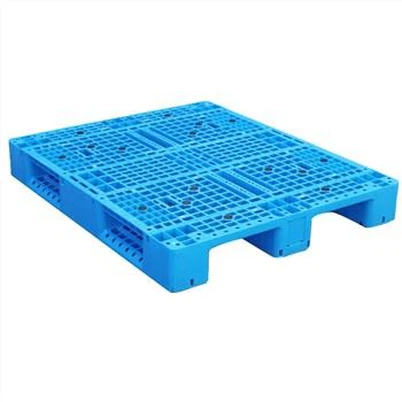
As a supplier of rackable plastic pallets, I often get asked about the weight capacity of these essential industrial tools. Understanding the weight capacity of a rackable plastic pallet is crucial for ensuring safe and efficient storage and transportation of goods. In this blog post, I'll delve into the factors that determine the weight capacity of rackable plastic pallets, different types available, and how to choose the right one for your specific needs.
Factors Affecting Weight Capacity
The weight capacity of a rackable plastic pallet is influenced by several key factors. Firstly, the design and construction of the pallet play a significant role. Pallets with reinforced structures, such as thicker walls, additional support beams, or a well - engineered grid pattern, can generally handle heavier loads. The material used in the manufacturing of the pallet also matters. High - density polyethylene (HDPE) and polypropylene (PP) are common materials for plastic pallets. HDPE is known for its excellent strength and durability, which allows pallets made from it to have a relatively high weight capacity.
Secondly, the type of racking system in which the pallet will be used is important. Different racking systems, such as selective racking, drive - in racking, or push - back racking, exert different forces on the pallets. For example, in selective racking, pallets are accessed individually, and the load is more evenly distributed. In contrast, drive - in racking requires pallets to withstand the impact of forklifts driving in and out, which may require a pallet with a higher weight capacity and better impact resistance.
Another factor is the distribution of the load on the pallet. A uniformly distributed load is easier for a pallet to handle compared to a concentrated load. If the goods are not evenly spread across the pallet surface, it can cause stress points and potentially lead to pallet failure, even if the total weight of the load is within the rated capacity.
Types of Rackable Plastic Pallets and Their Weight Capacities
Single Face Rackable Plastic Pallet
A Single Face Rackable Plastic Pallet is designed with a single deck surface. These pallets are often used in racking systems where the goods are placed directly on the deck. They are typically lighter in weight compared to double - face pallets, which can be an advantage in terms of reducing overall shipping costs. The weight capacity of single - face rackable plastic pallets can vary depending on their size and construction. Smaller single - face pallets may have a weight capacity of around 500 - 1000 kilograms when used in racking, while larger and more robust ones can handle up to 2500 kilograms or more.
RFID Plastic Rackable Pallets
RFID Plastic Rackable Pallets are equipped with Radio - Frequency Identification (RFID) technology. This allows for better tracking and management of inventory. The presence of RFID components does not significantly affect the weight capacity of the pallet. Similar to other rackable plastic pallets, their weight capacity depends on their design and size. These pallets can have weight capacities ranging from 1000 to 3000 kilograms, depending on whether they are single - face or double - face and their overall build quality.
Rack Durable Plastic Pallets
Rack Durable Plastic Pallets are engineered to withstand heavy use in racking systems. They are often made with thicker plastic walls and more substantial support structures. These pallets can have very high weight capacities, sometimes exceeding 4000 kilograms. They are suitable for storing and transporting large, heavy items such as industrial machinery parts or bulk chemicals.
How to Determine the Right Weight Capacity for Your Needs
When choosing a rackable plastic pallet, it's essential to accurately assess your load requirements. Start by calculating the maximum weight of the goods you will be placing on the pallet. Consider not only the current load but also any potential future increases in weight. Next, think about the type of racking system you are using and the load distribution. If you are unsure, it's a good idea to consult with a pallet expert or an engineer who can help you make an informed decision.
It's also important to consider the working environment. If the pallets will be used in a cold storage facility, for example, the plastic material may become more brittle, which could affect its weight - bearing capacity. In such cases, you may need to choose a pallet specifically designed for low - temperature environments.
Safety Considerations
Exceeding the weight capacity of a rackable plastic pallet can have serious consequences. It can lead to pallet failure, which may cause damage to the goods, the racking system, and even pose a safety risk to workers. To ensure safety, always follow the manufacturer's recommended weight capacity guidelines. Regularly inspect the pallets for signs of wear and tear, such as cracks, broken support beams, or deformation. If a pallet shows any signs of damage, it should be removed from service immediately.
Conclusion
The weight capacity of a rackable plastic pallet is determined by multiple factors, including design, material, racking system, and load distribution. As a supplier, we offer a wide range of rackable plastic pallets with different weight capacities to meet the diverse needs of our customers. Whether you need a lightweight single - face pallet for general storage or a heavy - duty durable pallet for industrial applications, we have the right solution for you.


If you are interested in learning more about our rackable plastic pallets or need help in selecting the right pallet with the appropriate weight capacity for your business, we invite you to reach out to us for a consultation. Our team of experts is ready to assist you in making the best choice for your storage and transportation requirements.
References
- "Plastic Pallets: Design, Performance, and Applications" by John Doe, published by Industrial Press
- "Racking Systems and Pallet Compatibility" by Jane Smith, Journal of Warehouse Management