Advantages and Disadvantages of Plastic Crates
Leave a message
Why are Plastic Crates Valued?
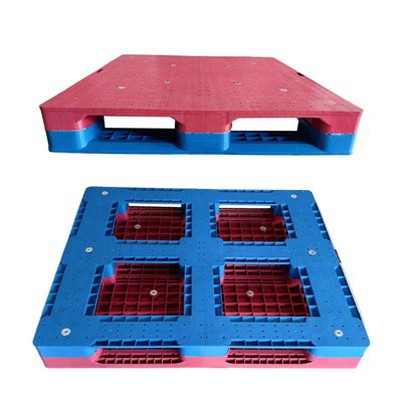
Plastic crates are widely used in logistics, transportation, warehousing management, food processing, agricultural harvesting, and other fields. Their functional characteristics have gradually replaced traditional wooden crates and cardboard boxes.
In practice, users should evaluate both the advantages and disadvantages of plastic crates to make an informed choice that best meets their needs.
Advantages of Plastic Crates
High Load-Bearing Capacity and Long Service Life
Plastic crates are typically made from HDPE or PP material, which allows them to withstand high-frequency loading and unloading, as well as strong impacts. They do not crack or warp easily, which makes them suitable for repeated and long-term use.
Resistant to Deformation and Collapse
Designed with a focus on load-bearing capacity and stacking stability, plastic crates do not deform easily even when fully loaded. They can be safely stacked to optimize storage space utilization.
Easy to Clean and Disinfect
With smooth, non-absorbent surfaces, plastic crates do not retain stains or dirt. They can be easily rinsed with a high-pressure water gun or treated with disinfectants. This makes them perfect for industries with strict hygiene requirements, such as food processing and medical sector.
Lightweight and Convenient to Handle
Compared to wooden or metal crates, plastic crates are lighter, which reduces manual handling effort and lowers labor intensity. Additionally, they help reduce transportation costs due to their lighter weight.

Resistant to Harsh Environments and Chemical Corrosion
Plastic crates can withstand harsh environments, including high humidity, extreme temperatures, and exposure to chemicals. They show good resistance to most acids and alkalis, making them suitable for use in a wide range of industries that require durability and environmental adaptability.
Disadvantages of Plastic Crates
Potential to Damage Fragile Items
Some plastic crates have rough inner walls or reinforced structures that may damage delicate items such as fruits, eggs, or other fragile products. In such cases, it is recommended to use liners or dividers to prevent direct contact with the crate surface.
Higher Initial Purchase Cost
Plastic crates are generally more expensive than disposable cardboard boxes or wooden crates. For one-time use or low-volume applications, they may not be cost-effective.
Recycling and Environmental Considerations
Plastic does not naturally degrade, and if not properly recycled after use, it may have a negative environmental impact. It is important to establish an effective recycling system to ensure sustainable use and minimize environmental harm.
conclusion
Plastic crates offer significant advantages in load-bearing capacity, ease of cleaning, and environmental adaptability, making them particularly well-suited for daily turnover and high-intensity operations.
When deciding whether to use plastic crates, factors such as the nature of the items, frequency of use, and cost considerations should be taken into account.
Enlightening Pallet has been manufacturing plastic pallets for many years and has extensive production experience. Contact us with your requirements, and we will develop a customized solution for you.