Bag Plastic Pallets vs Regular Pallets: What's the Difference?
Leave a message
What Are Bag Plastic Pallets?
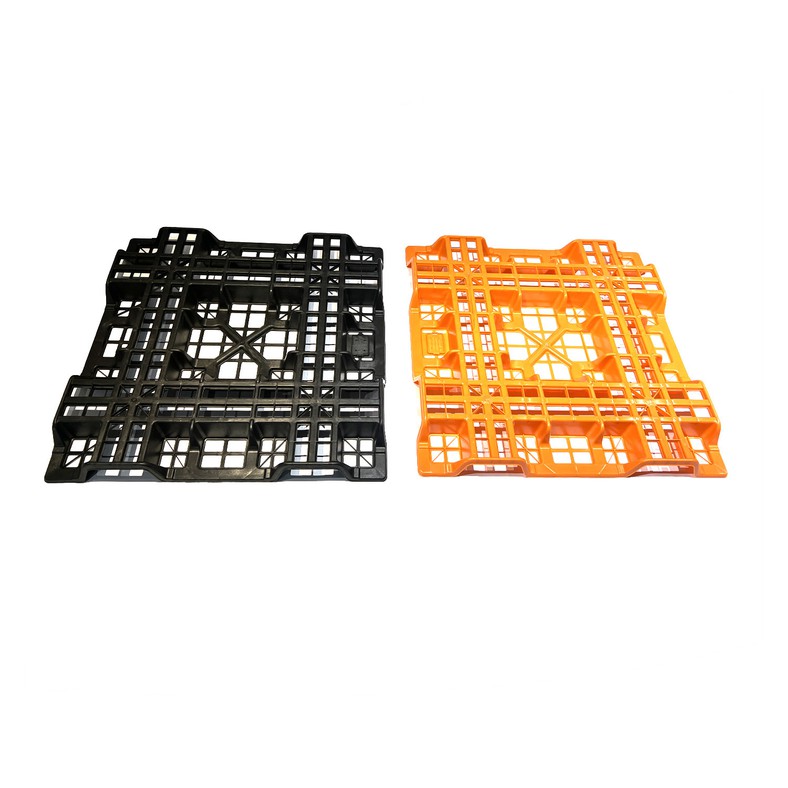
Plastic pallets are specially designed platforms built specifically for handling bulk bags (also called FIBC bags or jumbo bags). These large fabric containers typically hold between 500 to 2,000 kilograms of materials like chemicals, grains, powders, or pellets. The pallets are engineered to safely support these heavy, concentrated loads.
What Are Regular Pallets?
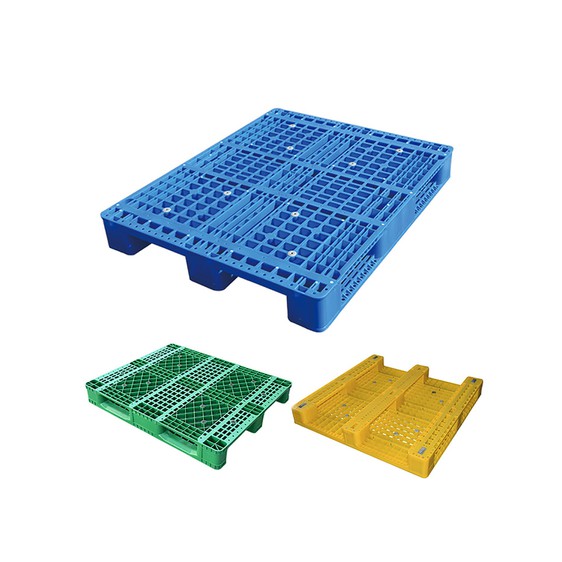
Regular plastic pallets are general-purpose platforms designed for standard warehouse and distribution operations. They're made to carry boxes, cartons, drums, and various packaged goods that you'd typically find in retail stores, manufacturing facilities, or logistics centres.
Key Differences That Matter
1. Shape and Size
Bag pallets are always square (1100×1100mm or 1200×1200mm) to perfectly match bulk bag dimensions and prevent dangerous overhang. Regular pallets are usually rectangular (1200×1000mm) to maximise space in shipping containers and trucks. This fundamental shape difference reflects their different purposes: stability for bag pallets versus space efficiency for regular pallets.
2. Strength and Structure
Bag pallets feature heavily reinforced centres and corners because all the weight from a bulk bag concentrates in one spot. They can handle static loads up to 6,000kg when sitting on the ground. Regular pallets have evenly distributed support across the surface since they carry multiple lighter items that spread the weight around. They typically handle 3,000-5,000kg of static load.
3. Surface Design
The top surface of bag pallets has deep anti-slip grooves (3-5mm deep) that grip the fabric bottom of bulk bags and prevent them from sliding during transport. This is crucial for safety when moving loads over a ton. Regular pallets have a much lighter texture (1-2mm) that's smooth enough to let boxes slide when workers need to adjust them, but still prevents shifting during normal handling.
4. Load Capacity
Bag pallets are built for concentrated, heavy loads in the centre with dynamic ratings of 1,500-2,000kg. Regular pallets are designed for distributed loads spread across the surface with dynamic ratings of 1,000-1,500kg. Using a regular pallet for a bulk bag is like using a dining chair to stand on instead of a stepladder-it might work once, but it's dangerous and will fail eventually.
5. Cost and Value
Bag pallets cost more upfront ($25-45 each) compared to regular pallets ($15-30 each), but they last longer in bulk bag applications (5-8 years) because they're engineered for those demanding conditions. Regular pallets are more economical for general use but will quickly fail if misused for bulk bags, leading to safety hazards and higher replacement costs.
When to Use Each Type
Choose Bag Plastic Pallets for:
- Storing and transporting bulk bags of any material
- Chemical powders, food ingredients, and pharmaceutical materials
- Mining concentrates, plastic pellets, and agricultural products
- Any situation involving FIBC containers
- Applications requiring maximum load stability and safety
Choose Regular Pallets for:
- Boxes, cartons, and packaged goods
- Retail distribution and warehousing
- E-commerce fulfilment operations
- General manufacturing and logistics
- Mixed product types and varied loads
The Safety Factor
Using regular pallets for bulk bags creates serious safety risks. The pallet can crack under the concentrated weight, the bag can tip over due to inadequate anti-slip features, and structural failure can happen suddenly without warning. These incidents can cause injuries, product loss, and potential environmental hazards if the bag contains dangerous materials.
Conversely, using expensive bag pallets for regular boxed goods is wasteful. You're paying for specialised features you don't need, tying up budget unnecessarily, and gaining no operational benefits.
Making the Right Choice
The decision is straightforward: match your pallet to your load. If you're handling bulk bags, invest in proper bag plastic pallets designed for that purpose. The modest price difference is insignificant compared to the costs of workplace injuries, product damage, or operational inefficiencies from using the wrong equipment.
For general cargo, warehousing, and distribution operations, regular pallets offer the versatility and economy you need without unnecessary features.
Conclusion
Bag plastic pallets and regular pallets serve different purposes, and neither can effectively replace the other. Bag pallets excel at safely supporting heavy, concentrated bulk bag loads with their reinforced construction and anti-slip surfaces. Regular pallets provide economical, versatile solutions for standard packaged goods with distributed weight.
Understanding these differences helps you make informed purchasing decisions that prioritise safety, efficiency, and long-term value. Choose the right tool for the job, train your team on proper usage, and you'll maximise both safety performance and return on investment in your material handling operations.