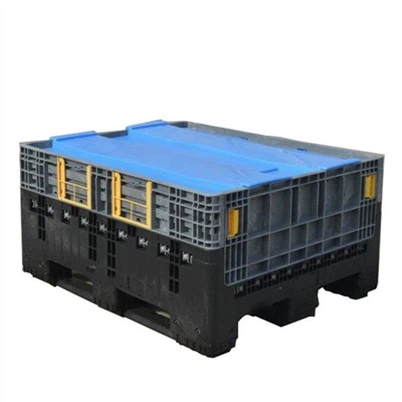
Dry Ice Plastic Containers for Cold Chain Logistics
Leave a message
Introduction
Cold chain logistics is crucial for the transportation of temperature-sensitive products such as pharmaceuticals and fresh food. Dry ice plastic containers, as a type of efficient insulated bulk container, can provide a stable ultra-low temperature environment. This article will systematically introduce the definition, structural advantages, and core value of dry ice plastic containers in cold chain logistics.

What Are Dry Ice Plastic Containers?
A dry ice plastic container is a specially designed, insulated bulk container used for storing and transporting dry ice and temperature-sensitive goods. Its high-strength plastic shell and built-in insulation effectively maintain ultra-low temperatures and minimize heat transfer.
Advantages of Dry Ice Plastic Containers

High-Strength Plastic Structure

Multi-Layer Insulation Structure Design

Sealed Storage Design

Easy Cleaning Design
The Value of Dry Ice Plastic Containers in Cold Chain Logistics
Temperature Stability
In cold chain logistics, long transportation times, frequent loading and unloading, or changes in the external environment often lead to temperature instability, which affects product quality. Dry ice plastic containers can continuously provide a stable low-temperature environment, effectively reducing the risk of temperature fluctuations during transportation.
Safety During Transport
Stacking, loading, and unloading collisions, as well as transportation vibrations, are unavoidable in cold chain transportation. If containers are damaged, it can easily lead to leakage or cargo contamination. Dry ice plastic containers, with their robust structure and leak-proof design, significantly reduce the possibility of damage or contamination during transportation.
Cost Reduction
Disposable cold chain packaging requires frequent replacement, not only increasing procurement costs but also creating additional waste disposal problems. Dry ice plastic containers, as reusable insulated containers, reduce packaging consumption and lower long-term transportation and operating costs.
Compliance
Cold chain transportation is subject to strict regulations regarding temperature control, safety, and hygiene management, especially in the pharmaceutical and food industries. Dry ice plastic containers comply with relevant standards such as FDA and GMP, helping businesses meet compliance requirements and reduce operational risks.
Dry Ice Plastic Containers Compared to Other Cold Chain Transport Containers
In fact, there are various types of containers used in cold chain logistics to provide low-temperature environments for temperature-sensitive goods. Foam-insulated boxes, ice packs, and refrigerated pallets each have their own applicable scenarios, but dry ice plastic containers offer distinct advantages in terms of ultra-low temperature stability, durability, and reusability. A comparison of these containers is provided below.
|
Container Type |
Key Features |
Temperature Control |
Durability |
Reusability |
|
Dry Ice Plastic Container |
High-density plastic shell, multi-layer insulation, sealed lid |
Ultra-low temperature, stable for long durations |
High |
Yes |
|
Foam Insulated Boxes |
EPS foam, lightweight |
Basic low temperature, short-distance |
Low, fragile |
Usually single-use |
|
Gel Packs / Ice Packs |
Flexible, easy to combine with boxes |
Moderate temperature maintenance |
Medium |
Yes |
|
Refrigerated Pallets |
Large capacity, may include active cooling |
Low to medium temperature |
Medium to high |
Sometimes reusable |
Where Dry Ice Plastic Containers Are Used in Cold Chain Logistics
As a reliable insulated bulk container, dry ice plastic boxes can maintain ultra-low temperatures throughout the storage, handling, and transportation processes. The following will demonstrate their specific applications in these different areas of the cold chain.

Applications in Pharmaceutical Cold Chain Transportation
Vaccines, biological agents, and clinical trial samples are extremely sensitive to temperature changes; even short periods of temperature control failure can affect product efficacy and safety. Through a double-layered insulation system of LLDPE and PU, our Heavy Duty Bulk Insulated Containers provide a stable low-temperature environment during storage, transportation, and air freight.

Applications in Fresh Food Cold Chain
Seafood, meat, and frozen foods require a continuously stable low-temperature environment during long-distance transportation to maintain freshness and prevent spoilage. Advanced Insulated Fish Storage Solutions utilize food-safe materials approved by the FDA, USDA, CFIA, and Health Canada, effectively maintaining cold chain conditions by reducing heat exchange and slowing the sublimation rate of dry ice.

Applications in Food Service Cold Chain
Dry ice plastic containers can be used for storing and transporting semi-finished or frozen foods. They offer advantages such as reusability, ease of cleaning, and hygiene, ensuring stable temperature control throughout the entire process from the central kitchen to the end store.
Conclusion
Dry ice plastic containers, as key insulated containers in cold chain logistics, provide safe and efficient transportation protection for high-value, temperature-sensitive products thanks to their excellent durability, insulation performance, and regulatory compliance.
Enlightening Pallet, as a manufacturer of dry ice plastic containers, provides ideal transportation and storage solutions for the medical, food, and fisheries industries. Please contact us for more information.