When Is a Light Duty Plastic Pallet Suitable for Warehouse Storage?
Leave a message
Introduction
Light duty plastic pallets can be a practical option for warehouses that handle lightweight packaged goods and need to manage storage space and material handling costs. Their suitability depends on the weight and distribution of the load, the storage method, handling equipment, and the frequency of pallet movement. Understanding these factors helps warehouse operators determine when a lightweight pallet is sufficient and when a heavier-duty design is necessary.

What Makes a Light Duty Plastic Pallet Suitable for Warehouse Storage?
Light duty plastic pallets are designed for storage and handling tasks where load requirements, pallet weight, and available space need to be considered together.
- Lightweight Construction - A lightweight structure makes pallets easier to move and position during routine warehouse operations. It also reduces the pallet's own weight during transportation, which can be useful for shipments involving lightweight goods.
- Nestable Design for Space Saving - Empty pallets fit inside one another, reducing the floor space required for storage. This design is particularly useful for warehouses that regularly handle empty pallets or need to return them after deliveries.
- Recycled HDPE Material - Recycled HDPE provides a plastic material option for warehouse and logistics applications. Buyers should consider the material specifications and operating conditions when evaluating its suitability for their goods and storage environment.
- Load Capacity for Light Goods - These pallets can accommodate cartons, packaged products, and lightweight components when the load remains within the specified capacity. Even load distribution and suitable handling conditions are also important for stable storage and movement.
When Should Warehouses Use Light Duty Plastic Pallets?
The right application depends on how goods are stored, moved, and transported throughout the warehouse.
Floor Storage of Lightweight Goods
Light duty plastic pallets can support cartons, packaged products, and other relatively lightweight goods stored on warehouse floors. Operators should confirm the total load weight, distribute goods evenly, and ensure the floor is level and suitable for the palletized load.
Frequent Loading and Unloading
For operations that regularly move pallets between storage areas, packing stations, and loading zones, a lightweight design can make routine handling more convenient. The pallet's entry configuration must also be compatible with the forklifts or pallet trucks used at the facility.
Temporary Storage and Order Fulfillment
Warehouses handling short-term inventory, order picking, and outbound shipments may benefit from lightweight pallets that are easy to position and collect after use. Nestable designs are useful when empty pallets need to be consolidated between picking cycles or shipment runs.
Returnable Logistics and Export Shipping
When pallets are returned after delivery, a nestable structure can reduce the space occupied by empty pallets during backhaul transport. Lightweight construction can also reduce pallet tare weight in export shipments. Buyers should evaluate the full shipping arrangement, including cargo weight, pallet dimensions, container space, and handling requirements.
What Should Buyers Check Before Choosing a Light Duty Plastic Pallet?
Before purchasing, warehouse operators should confirm that the pallet's structural limits and design match the planned storage and handling conditions.
Static Load, Dynamic Load, and Racking Requirements
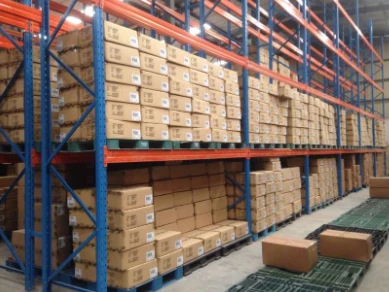
Static load refers to the weight a pallet can support while stationary under specified conditions, while dynamic load applies during handling and movement. Racking load is a separate rating for supported storage on warehouse racks. Buyers should not assume that a pallet with a high static rating is suitable for rack storage; lightweight nestable models may not be designed for unsupported racking.

Load Distribution and Cargo Stability
A pallet's rated capacity does not guarantee stability under every loading arrangement. Goods should be distributed evenly across the deck, and operators should consider the size, shape, and center of gravity of the load. Oversized cartons, concentrated loads, or cargo extending beyond the pallet edges may require a different pallet design or additional load-securing measures.
Handling Equipment and Entry Configuration
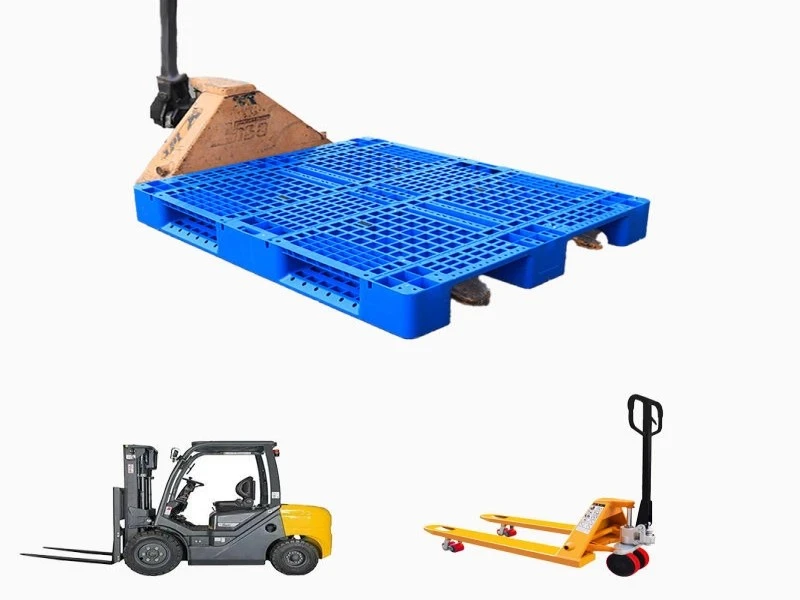
The pallet must fit the handling equipment used in the warehouse. Buyers should check forklift entry directions, pallet-truck compatibility, deck clearance, and the available space for maneuvering. A four-way-entry model can offer more approach options than a two-way-entry design, but the actual product specification should be verified before ordering.

Warehouse Environment and Service Requirements
Temperature, moisture, cleaning procedures, and exposure to chemicals can affect material suitability and operating performance. Buyers should confirm the pallet's material properties, dimensions, and recommended operating conditions, especially for cold storage or specialized warehouse environments. They should also consider whether the pallet will be reused frequently or mainly used for one-way shipping.
What Are the Benefits of Choosing the Right Light Duty Plastic Pallet?
Selecting a pallet that matches the warehouse's load and storage requirements can help simplify routine handling while avoiding unnecessary material and transport costs.
- Easier Empty-Pallet Handling - A lightweight design makes empty pallets more convenient to move and organize during daily warehouse operations.
- Reduced Empty-Pallet Storage Volume - Nestable construction allows empty pallets to fit together, freeing up floor space for inventory and operational activities.
- Lower Pallet Weight in Shipments - Lightweight pallets add less tare weight to shipments, which can be useful when total shipment weight is an important consideration.
- Practical Support for Light Goods - Choosing a pallet with a suitable dynamic load rating provides an appropriate base for cartons, packaged products, and other lightweight cargo.
- More Efficient Pallet Selection - Matching pallet capacity, entry configuration, and storage method to the actual workflow helps avoid using lightweight models in applications that require rackable or heavy-duty pallets.
Conclusion
A light-duty plastic pallet is suitable for warehouse storage when the goods are relatively lightweight, the load remains within the rated capacity, and the pallet is used on an appropriate storage surface. Lightweight construction, recycled HDPE material, and a nestable design can make these pallets practical for floor storage, order fulfillment, routine handling, and returnable logistics. However, warehouses that require unsupported rack storage or need to handle heavier loads should select pallets specifically rated for those conditions. Enlightening Pallet offers a range of plastic pallets for different warehouse and logistics requirements, including lightweight recycled HDPE nestable models. Contact us to discuss your cargo weight, storage method, and handling equipment so you can identify a suitable pallet for your warehouse operation.