What Should You Check Before Buying Lightweight Plastic Pallets in Bulk?
Leave a message
Introduction
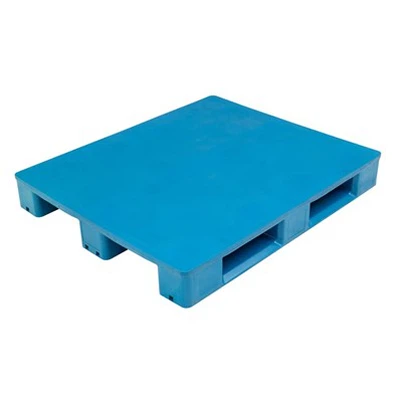
Lightweight plastic pallets are widely used in export shipping, warehousing, and material handling where reducing pallet weight and optimizing storage space are important. However, bulk purchasing requires more than selecting the lightest available option. Buyers need to evaluate load capacity, pallet dimensions, material properties, nesting design, and compatibility with their handling systems before placing an order.

Why Lightweight Plastic Pallet Selection Matters for Bulk Purchasing
Lightweight plastic pallets are often selected for export shipping and warehouse operations because they can reduce pallet weight and improve empty-pallet storage efficiency. However, a pallet designed for one-way shipping may not be suitable for heavy warehouse loads or rack storage. Choosing an unsuitable design for a large order can lead to handling difficulties, cargo damage, or additional logistics costs. Buyers should balance weight reduction with load requirements, durability, and the conditions in which the pallets will be used.
What Factors Should You Check Before Buying Lightweight Plastic Pallets?
Before placing a bulk order, buyers need to understand how the pallet will perform under their actual handling and storage conditions.
Load Capacity and Structural Design
Check the pallet's static, dynamic, and racking load capacities against the actual weight of the goods and the handling method. A lightweight structure should still provide adequate support during lifting, transportation, and storage. Buyers should also confirm whether the pallet will be used on the floor, in pallet racks, or with automated handling equipment, as these requirements influence the appropriate structural design.

Material Quality and Operating Conditions
HDPE and PP are common materials for plastic pallets, but their properties and suitability can vary by grade and design. Ask about the material used, its impact resistance, and its performance under the expected temperature and environmental conditions. For export shipping or repeated warehouse use, material selection should align with the expected handling frequency, exposure conditions, and service requirements.

Pallet Dimensions and Nesting Efficiency
Pallet dimensions must match the cargo footprint, warehouse layout, transport equipment, and shipping requirements. For lightweight export applications, nestable pallets can be particularly useful because empty units fit inside one another, reducing the space required for storage and return transportation. Confirm the pallet's dimensions, nesting arrangement, and compatibility with forklifts or pallet trucks before ordering in bulk.

Surface Features and Application-Specific Requirements
The pallet surface and optional features can affect cargo stability and operational suitability. Depending on the application, buyers may need anti-slip surfaces, retaining edges, strap slots, or specific entry configurations. Food, pharmaceutical, and other hygiene-sensitive applications may also require particular material and documentation standards. Confirm which features are available on the selected lightweight model rather than assuming every option is included.

What Are the Benefits of Choosing the Right Lightweight Plastic Pallet?
A well-matched pallet design can make a practical difference in daily handling and overall logistics operations.
More Efficient Empty-Pallet Transportation - Nestable designs can reduce the space occupied by empty pallets, helping improve return-load efficiency and storage utilization.
Lower Handling Weight - A lightweight pallet can reduce the weight of the pallet itself during handling and transportation, while still meeting the operational and safety requirements of the application.
Better Cargo Handling and Stability - Appropriate load capacity, structural design, and surface features help support goods during lifting, movement, and storage.
More Predictable Bulk Procurement - Confirmed specifications, agreed inspection criteria, and a clear production schedule help buyers reduce order discrepancies and plan deliveries more effectively.
How Can a Plastic Pallet Manufacturer Meet Your Bulk Order Requirements?
Once the product requirements are clear, the next step is to evaluate whether a manufacturer can consistently supply the specified pallet design, quantity, and quality within the required timeframe.
Product Configuration and Customization
A suitable manufacturer should be able to recommend a pallet design based on the intended load, handling equipment, and storage conditions. Depending on the product range, customization may include colors, dimensions, reinforced structures, anti-slip features, and load-securing details. Buyers should confirm the feasibility, additional costs, and lead-time implications of any modifications before approving the order.
Production Consistency and Quality Inspection
For bulk purchases, consistent dimensions and structural performance are important across the entire shipment. Ask how the manufacturer checks raw materials, molding quality, finished dimensions, and product condition. Buyers should also confirm whether load testing or other relevant inspections are available for the selected model and agree on the acceptance criteria before production begins.
Production Capacity and Delivery Arrangements
Bulk procurement requires a clear understanding of production schedules, order quantities, packaging, and shipping arrangements. Confirm the manufacturer's lead time for the requested model and quantity, especially if custom dimensions or structural changes are involved. For export orders, also clarify pallet packing arrangements and whether the selected design supports efficient loading and transportation.
Conclusion
Buying lightweight plastic pallets in bulk requires balancing pallet weight with load capacity, material performance, dimensions, nesting efficiency, and application-specific requirements. Evaluating these factors and the manufacturer's customization capabilities, quality controls, production schedule, and delivery arrangements before ordering helps buyers select a suitable design and reduce avoidable procurement issues. Enlightening Pallet offers plastic pallet options and customization services for different transport and storage requirements. Contact us to discuss your bulk order requirements and find a lightweight plastic pallet solution suited to your operation.