Plastic vs Stainless Steel Commercial Trash Bins: Which Material Fits Your Project?
Leave a message
Introduction
Selecting the right commercial trash bin for a facility involves more than just choosing a size and color. The material of the bin directly affects its durability, maintenance requirements, and suitability for specific environments. Plastic and stainless steel are the two most common materials for commercial waste containers, each offering distinct advantages. Choosing the wrong material can lead to premature cracking, rusting, or unnecessary replacement costs. This article compares plastic and stainless steel commercial trash bin options to help buyers determine which material best fits their project requirements.

Plastic Commercial Trash Bins: Features and Applications
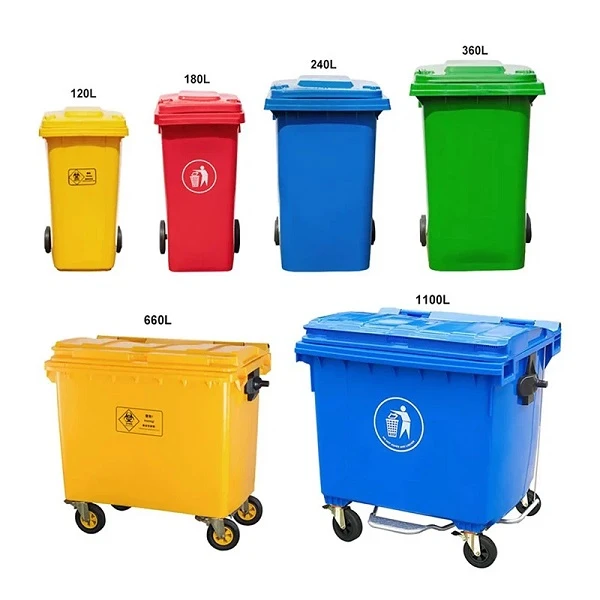
Plastic commercial trash bins are typically manufactured from high-density polyethylene (HDPE) using a one‑time injection molding process, creating a seamless, smooth surface without joints or weak points. The following are the key characteristics and typical uses of plastic bins.
Key Features of Plastic Commercial Trash Bins
- Weather resistance-HDPE plastic is highly resistant to UV radiation, temperature extremes, and moisture, making it suitable for long‑term outdoor placement.
- Lightweight construction-A standard 240L plastic bin weighs approximately 11‑14 kg, allowing staff to move it easily for collection or repositioning.
- Corrosion resistance-Plastic does not rust and resists damage from acids, alkalis, and common cleaning chemicals.
- Impact resistance-The material absorbs shocks without cracking, making it durable in high‑traffic or rough handling environments.
- Low maintenance-The smooth, non‑porous surface resists staining and is easy to clean with standard detergents.
Typical Applications
- Outdoor waste collection points in residential communities
- Parking lots and commercial property perimeters
- Healthcare facilities
- Recycling stations and municipal waste programs
- Schools, universities, and public parks
- Industrial facilities requiring corrosion‑resistant containers
Stainless Steel Commercial Trash Bins: Features and Applications
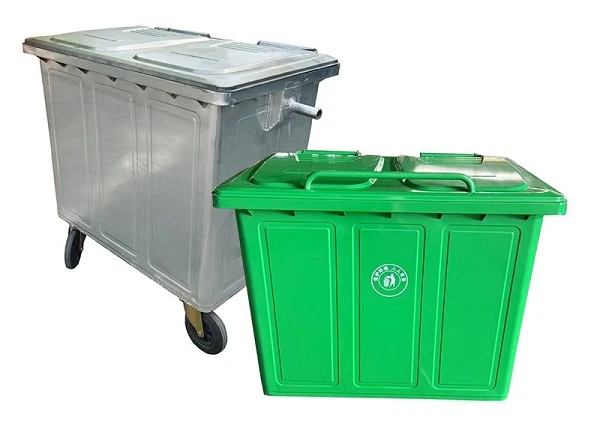
A stainless steel commercial trash bin offers a different set of advantages, particularly for indoor applications where aesthetics and fire resistance are priorities. The following are the key characteristics and typical uses of stainless steel bins.
Key Features of Stainless Steel Commercial Trash Bins
- Fire resistance-Stainless steel is non‑combustible, making it the preferred choice for locations with strict fire safety requirements.
- Structural strength-The metal construction provides high durability and resistance to heavy use.
- Stability-The heavier weight makes the bin less likely to be tipped over by wind, animals, or accidental contact.
- Corrosion resistance-Quality stainless steel resists rust and corrosion in normal indoor conditions. For outdoor use, a higher grade of stainless steel may be required.
- Easy cleaning-Smooth surfaces allow quick wiping and sanitizing, which is important for healthcare and food service environments.
Typical Applications
- Hotel lobbies and guest room corridors
- Airport terminals and transit stations
- Shopping malls and retail stores
- Corporate office buildings and executive suites
- Hospitals and medical facilities
- Commercial kitchens and food service areas
- Any indoor location where appearance and fire safety are important
Plastic vs Stainless Steel Commercial Trash Bins: Key Comparison
|
Comparison Factor |
Plastic Commercial Trash Bin |
Stainless Steel Commercial Trash Bin |
|
Weight |
Lightweight and easy to transport, reposition, and empty |
Heavier and more stable in fixed locations |
|
Corrosion Resistance |
Excellent resistance to moisture, chemicals, and acids |
Good corrosion resistance in indoor conditions |
|
Weather Resistance |
UV-resistant and ideal for outdoor commercial trash bin applications |
Best suited for indoor use; outdoor requires higher grade |
|
Impact Resistance |
Flexible material resists cracking and does not dent easily |
Strong and durable, but may dent under heavy impact |
|
Fire Resistance |
Standard models are combustible; flame-retardant options are available |
Non-combustible and suitable for fire-sensitive environments |
|
Cleaning & Maintenance |
Smooth surfaces are easy to wash and require minimal maintenance |
Hygienic and easy to clean, though fingerprints may be visible |
|
Appearance |
Available in multiple colors with custom logo and labeling options |
Premium metallic finish with a modern and professional appearance |
|
Customization |
Wide range of sizes, colors, lids, and molded branding options |
Custom sizes, finishes, and branding available upon request |
|
Service Life |
Typically 5–10 years depending on usage conditions and material quality |
Often 10+ years with proper maintenance |
|
Initial Cost |
Lower upfront investment and cost-effective for bulk purchasing |
Higher initial investment |
Why Material Choice Matters for Commercial Applications
The material used in a commercial trash bin has a direct impact on durability, maintenance requirements, operational efficiency, and overall project costs. Plastic and stainless steel each offer distinct advantages depending on the application environment. Plastic bins are widely preferred for outdoor commercial trash bin projects because they are lightweight, weather-resistant, and cost-effective, making them ideal for municipal waste collection, residential communities, and industrial facilities. Stainless steel wheelie rubbish containers, on the other hand, provide a premium appearance, excellent hygiene, and non-combustible performance, making them well-suited for hotels, shopping malls, office buildings, and other customer-facing spaces. By selecting the right material, businesses can improve waste management efficiency, reduce long-term replacement costs, and ensure that each trash bin meets both functional and aesthetic requirements.
How to Choose the Right Material for Your Project
Selecting the correct material for a trash bin requires evaluating the specific conditions where the bin will be used.
Choose a plastic commercial trash bin when
- The bin will be placed outdoors, exposed to sun, rain, and temperature changes
- Lightweight construction is needed for frequent movement
- Budget is a primary concern
- Stackable designs are needed
Choose a stainless steel commercial trash bin when
- The bin will be used indoors in a premium environment (hotels, airports, corporate offices)
- Fire safety regulations require non‑combustible materials
- A longer service life (10+ years) is required
- Appearance and a modern finish are important
- The bin will be placed in high‑traffic indoor areas where durability and easy cleaning are priorities
Conclusion
Selecting the right material for a commercial trash bin depends on the specific use environment, budget, and performance requirements. Plastic bins are lightweight, weather‑resistant, and cost‑effective, making them ideal for outdoor and general commercial use. Stainless steel commercial trash bins offer superior fire resistance, a premium appearance, and long‑term durability for indoor high‑traffic areas, with customization options available to meet specific project needs. Enlightening Pallet is a professional manufacturer of both plastic and stainless steel trash bin solutions, offering customization services and multiple custom options. Contact us today for expert advice on commercial waste bin selection or a customized quote.