The Advantages of Plastic Crates
Leave a message
Introduction
In today's fast-paced logistics and industrial sectors, businesses are demanding more from their packaging solutions. Traditional wooden crates, prone to moisture damage and mold, and bulky metal crates that rust over time, have become hidden costs that hinder efficiency.
In contrast, plastic crates stand out as a versatile solution across industries. Whether facing extreme temperature fluctuations in cold chain logistics, shock absorption needs for precision instruments, or corrosion challenges with chemicals, plastic crates deliver reliable performance in complex environments, helping businesses streamline operations and boost productivity.

Core Advantages of Plastic Crates
Revolutionary Durability
Engineered with structural reinforcement, plastic crates exhibit exceptional impact resistance and wear resistance. Unlike traditional materials, they resist cracks and deformation even under frequent handling, outdoor exposure, or harsh working conditions. This longevity makes them an ideal choice for long-term use.
Lightweight Design, Commercial Value
Plastic crates significantly reduce transportation loads compared to metal or wooden alternatives. This weight reduction not only allows more goods to be transported per trip but also lowers energy consumption and operational time during loading and unloading, driving efficiency improvements across the supply chain.
Superior Hygiene Standards
Made from food-grade plastics certified by international safety standards, plastic crates feature seamless surfaces that prevent bacterial growth. They are widely adopted in industries like healthcare and pharmaceuticals, where hygiene is critical. Additionally, their high-temperature resistance and chemical corrosion resistance make them ideal for repeated sterilization, ensuring compliance with strict sanitization protocols.
Smart Stacking System
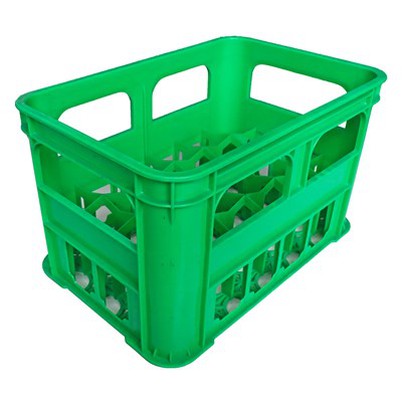
The integrated latching system of plastic crates reduces empty storage space by over 70% while maintaining stability during full-load transportation. This design optimizes warehouse utilization and eliminates the risk of slippage or collapse during stacking, enhancing both safety and space efficiency.
Customizable Solutions
Plastic crates offer unmatched flexibility to meet industry-specific needs. From anti-vibration buffers and liquid-tight seals to internal dividers and customizable branding, they can be tailored to unique requirements. With short development cycles for mold production, businesses can rapidly deploy specialized solutions to address emerging demands.

Conclusion
By combining durability, cost-efficiency, and functionality, plastic crates are redefining the cost-performance equation of industrial packaging. Their lifecycle management not only reduces operational expenses but also aligns with global sustainability goals. Adopting plastic crates empowers businesses to gain a competitive edge, improve efficiency, and minimize resource waste.
Act Now – Request free samples and contact us to get professional experience on how next-generation packaging technology can unlock new value for your business.