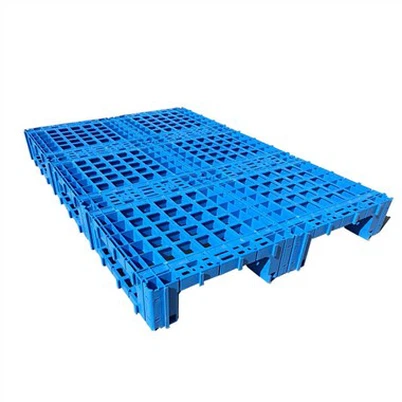
What Is a Spill Containment Pallet
Leave a message
Spill Containment pallets are products made of materials such as high-density polyethylene (HDPE) or polypropylene (PP). They are manufactured through raw material heating injection molding technology and can effectively prevent the leakage of hazardous waste liquids. The pallet has the function of storing hazardous waste liquids and can prevent secondary leakage of chemicals or other hazardous waste liquids during canning, storage, and transportation. Spill containment pallets are widely used in petrochemical, pharmaceutical, food, chemical and other industries to improve the safety of liquid storage and protect the environment from pollution.


How Do Spill Containment Pallets Work?
A spill containment pallet is a device used to prevent and control liquid leaks. The principle is to collect and store leaked liquids inside the spill containment pallet through special structures and functions on the spill containment pallet to prevent the liquid from spilling or further spreading to the surrounding environment. Here are some common spill containment pallets principles:
Sealed edges: Spill containment pallets usually have sealed edges to stop liquids from leaking out from the edges of the spill containment pallets. This ensures that the leaked liquid is confined to the inside of the pallets.

Grooves and protrusions: There are grooves and protrusions on the spill containment pallets so that liquids can be concentrated and separated when they leak. Grooves can guide liquids to specific areas of the pallets, while protrusions can prevent liquids from crossing the surface of the pallets.
Built-in containers or grooves: Some spill containment pallets have built-in containers or grooves for collecting leaked liquids. These containers are usually located at the bottom or side of the pallets and have sufficient capacity to store the leak.
Anti-drip holes or drains: Spill containment pallets may be equipped with anti-drip holes or drains to control the discharge of liquids. These holes or openings prevent liquids from accumulating on the pallets and reduce the risk of spills.

By adopting the above principles, spill containment pallets can effectively control and manage liquid leakage and reduce potential harm to the environment and personnel. They are widely used in scenes of storage, transportation and handling of liquids or chemicals to ensure safety and environmental protection.
Spill Containment Pallet Types
The main specifications of spill containment pallets include ton barrel type spill containment pallets, four barrel type pallets, enhanced four barrel type pallets (without leakage port), double barrel type pallets, double barrel spill containment platforms, single barrel spill containment platforms, and desktop spill containment platforms.

IBC spill containment pallets
IBC spill containment pallets are suitable for IBC ton barrel packaging. This type of pallet usually adopts a heightened and thickened design, has a strong load-bearing capacity, and its anti-leakage ability is also very superior. They can provide a safe accommodation area for barrels, effectively preventing overflow and leakage that may occur during storage or handling.

Oil barrel spill containment pallet
The four barrel spill containment pallet can hold 4 international standard 200L gasoline barrels. The pallet is available in a heightened and thickened type, which can be reasonably selected according to actual use. The double barrel spill containment pallet can hold 2 200L gasoline barrels and can be used with forklifts and hydraulic trucks. The single barrel spill containment pallet is suitable for packaging single chemical barrels, paint barrels, oil cans and oil barrels.

Spill platform
The spill platform has a curling design around the edges, which can prevent collision and rupture. It is a single-piece structure with a low plane height design (height is 14 cm), and each spill platform has a large-capacity leakage storage tank. This design allows the spill platform to become part of the factory floor, which not only saves space, but also improves safety and work efficiency, making it easier to move oil drums and chemical drums. There are four types of spill platforms: 2-barrel leakage platform, 4-barrel leakage platform, 6-barrel leakage platform and 8-barrel leakage platform.
Each spill platform can be used alone or in combination with other spill platforms to form a work platform area that meets diverse needs. The multi-functional working ramp can be used with any spill platform, making it easy, quick and simple to move chemical storage drums up and down. However, due to strength issues, it cannot be operated by a forklift.
Why Should You Use a Spill Containment Pallet When Transporting Hazardous Materials?
Environmental protection
Using spill containment pallets can prevent liquid leaks or spills from entering the soil and water sources, thereby reducing the risk of environmental pollution. This is very important for protecting the ecological balance and ecosystem.
01
Safety
Spill containment pallets can prevent the leakage of hazardous chemicals, corrosive liquids and other harmful substances, thereby reducing the risk of personnel being exposed to these substances. This helps maintain workplace safety.
02
Equipment protection
Some liquids may corrode or damage equipment. Spill cotainment pallets can capture leaked liquids and prevent them from contacting the surface of the equipment, thereby extending the service life of the equipment.
03
Cleaning and maintenance
If there is a liquid leak, the cleanup process can be very tedious and expensive. Using spill containment pallets can reduce the complexity and cost of cleanup work.
04
Accident response
If a liquid leak occurs, spill containment pallets can quickly capture the liquid and prevent it from spreading further, giving the incident response team more time to take appropriate measures.
05
How to Choose the Right Spill Containment Pallet
When it comes to choosing the right spill containment pallet, several important factors need to be considered to ensure the safe handling and storage of hazardous materials.

The material compatibility.
Different hazardous materials have varying chemical properties, so it's crucial to select a pallet made of a material that can withstand the specific substances you'll be handling. For instance, if you're transporting corrosive chemicals, look for pallets made of high-density polyethylene (HDPE) or polypropylene (PP), which offer excellent resistance to corrosion.
The capacity and size.
Consider the volume and weight of the hazardous materials you need to store or transport. Choose a pallet with an appropriate capacity to ensure it can hold the expected amount of liquid in case of a spill. Also, make sure the size fits well within your storage area or transportation vehicle.
Structural Integrity
When checking the structure of a spill containment pallet, look for a sturdy, durable pallet. These pallets have reinforced edges and corners to withstand the weight and potential impacts during shipping. Also, check for features such as a ribbed bottom or cross bracing, as these features can enhance the pallet's stability. A well-constructed pallet will provide better protection against leaks and spills and have a longer lifespan.
Drainage and Containment Features
When evaluating a pallet, focus on its drainage and containment capabilities. Some pallets have built-in drainage systems or sump areas that effectively collect and manage spilled liquids. Look for pallets with proper seals and gaskets to prevent leaks and ensure effective containment. Also consider if the pallet has features such as raised edges or dikes, as these can confine spills to a defined area.
Compliance and Certifications
Make sure the spill containment pallet complies with relevant industry standards and regulations. Look for certifications such as UN/DOT shipping approval or compliance with environmental regulations. This will give you confidence that the pallet is designed and manufactured to the required safety standards.
Cost and Value
When considering spill containment pallets, focus on the cost factor, but also evaluate the value in terms of quality and performance. A higher-priced pallet may have better features and greater durability, which can save you money in the long run by reducing the risk of spills and damage. Compare the different options and choose the pallet that offers the best combination of quality and affordability for your specific needs.
By considering these factors, you can select the right spill containment pallet to meet your safety, compatibility, capacity, and durability requirements when transporting hazardous materials.
Precautions for Using Spill Containment Pallets

Correctly place the goods: When placing the goods on the spill containment pallets, ensure that the goods are evenly distributed to prevent the spill containment pallets from deforming or breaking due to uneven local force. At the same time, avoid overloading and strictly abide by the load limit of the pallet to prevent the pallet from being damaged due to being unable to bear too heavy a load.
Check the condition of the pallet: Before using the spill containment pallets, be sure to carefully check whether its appearance and internal structure are intact. If any damage or cracks are found, the pallet should be replaced immediately to avoid accidental leakage during use.
Avoid spill containment pallets exceeding the load limit: Each spill containment pallet has a clear load-bearing limit. Overloading will cause the pallet to deform, break or leak, seriously affecting its use effect and safety.
Correctly use the spill containment pallet drainage hole: Spill containment pallets are usually equipped with drainage holes, which are mainly used to discharge leakage or clean. During use, avoid clogging of the drainage hole to ensure that the leakage can be discharged smoothly, and also prevent the occurrence of incorrect leakage.
Prevent the spill containment pallet from tilting: When transporting or storing goods, be sure to ensure that the spill containment pallet is placed stably to avoid tilting or instability. Tilted pallets are prone to accidents and increase the risk of leakage.
Properly stack spill containment pallets: When stacking spill containment pallets, ensure that the stacking is stable to prevent collapse. At the same time, follow the stacking height limit and do not exceed the specified height to avoid affecting the stability of the pallet.
Proper cleaning and maintenance: Clean the spill containment pallets regularly to remove pollutants and debris. During the cleaning process, carefully check whether the pallet has any damage, and promptly detect and deal with the problem to ensure the normal use of the pallet.
Properly handle discarded pallets: For discarded spill containment pallets, they should be properly handled and recycled in accordance with relevant regulations. Do not discard them at will to avoid pollution to the environment.
Train employees: Provide employees with necessary training and guidance so that they can use spill containment pallets correctly. Through training, improve employees' safety awareness and operating skills, and reduce the occurrence of accidents and losses.
Conclusion
Spill containment pallets play an important role in hazardous chemical leakage accidents. The use of spill containment pallets can reduce leakage losses, ensure personnel safety, reduce environmental pollution, and improve emergency response efficiency. Therefore, when using hazardous chemicals, attention should be paid to the use and management of spill containment pallets, and a sound leakage response mechanism and measures should be established to ensure that leakage accidents can be handled quickly and effectively.
If you want to know more about spill containment pallets, you can contact us directly, and we will provide you with suitable spill containment pallet solutions.