What is the difference between HDPE and PP pallet?
Leave a message
Choosing between HDPE and PP pallets affects more than the initial purchase price. Material selection influences impact resistance, stiffness, low-temperature performance, load stability, service life, and the total cost of pallet use.
HDPE (high-density polyethylene) and PP (polypropylene) are two common materials used to manufacture plastic pallets. Both can support industrial handling and storage, but their performance depends on the material grade, pallet structure, operating temperature, and loading conditions.
For warehouse operators, distributors, manufacturers, and bulk buyers, understanding HDPE vs PP helps identify the right pallet for each application. Enlightening Pallet supplies plastic pallets in different materials, sizes, and structural designs to meet commercial and industrial requirements.
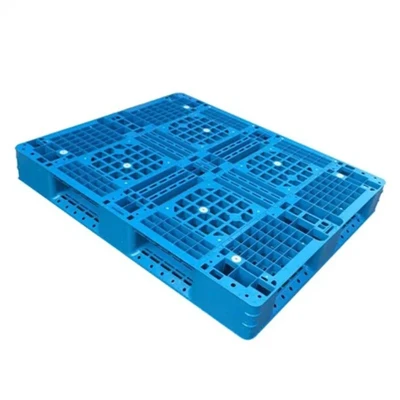
HDPE vs PP Pallets: Key Differences
HDPE is generally preferred when impact resistance, low-temperature toughness, and flexibility under impact are important. PP is often considered when greater rigidity, dimensional stability, or heat resistance is required. Neither material is automatically stronger in every application.
|
Comparison Factor |
HDPE Pallets |
PP Pallets |
|
Full material name |
High-density polyethylene |
Polypropylene |
|
Impact resistance |
Generally good, including in cold environments |
Depends on grade; some grades are more sensitive to impact at low temperatures |
|
Rigidity |
Generally more flexible |
Generally stiffer |
|
Low-temperature performance |
Often preferred for cold storage and freezer use |
Requires careful grade selection for cold environments |
|
Heat resistance |
Suitable within the specified operating range |
Often offers an advantage at elevated temperatures |
|
Chemical resistance |
Good resistance to many chemicals |
Good resistance to many chemicals |
|
Moisture resistance |
Excellent |
Excellent |
|
Surface wear |
Depends on formulation and surface design |
Depends on formulation and surface design |
|
Load-bearing performance |
Depends on material grade, pallet structure, and reinforcement |
Depends on material grade, pallet structure, and reinforcement |
|
Typical applications |
Cold-chain logistics, general warehousing, industrial handling |
Industrial handling, manufacturing, and applications requiring greater rigidity |
|
Purchasing considerations |
Impact resistance, temperature range, and durability |
Stiffness, heat exposure, and dimensional stability |
These are general material tendencies rather than guaranteed performance specifications. Buyers should compare the actual pallet model and its test data before placing a bulk order.
HDPE vs PP: Understanding the Raw Materials
HDPE is known for its impact resistance, toughness, and moisture resistance. HDPE pallets are often suitable for warehouse handling, cold storage, and reusable logistics, provided the material grade meets the required temperature and load conditions.
Key purchasing considerations include:
Impact resistance: Handles routine impacts during forklift operations.
Cold-temperature performance: Suitable grades work well in refrigerated and freezer environments.
Chemical resistance: Resists many chemicals, but compatibility must be verified.
Durability: Supports repeated use when the pallet structure and load ratings match the application.
Buyers should confirm the material specifications and operating limits before ordering.
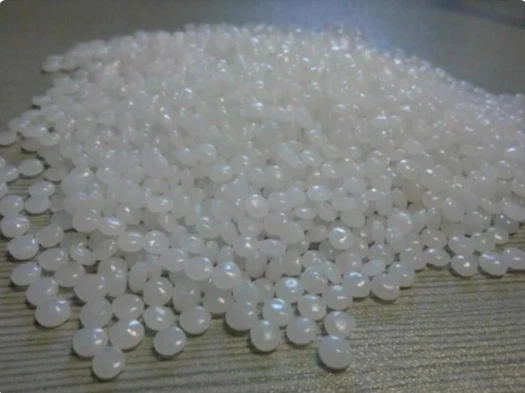
PP: Polypropylene
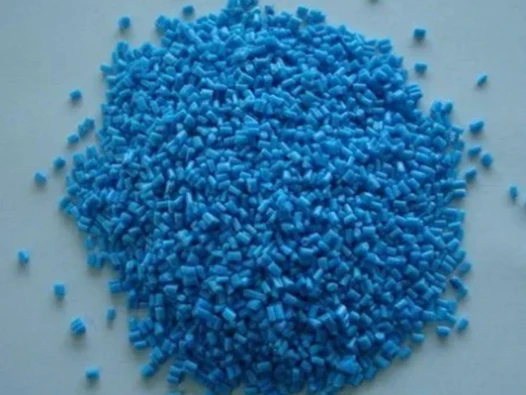
PP is valued for its rigidity, low density, and heat resistance. PP pallets can suit industrial handling and storage applications where stiffness and dimensional stability are important.
Key purchasing considerations include:
Rigidity: Provides a relatively stiff structure.
Heat resistance: Some PP grades tolerate higher temperatures than comparable HDPE grades.
Pallet weight: Depends on the design, material grade, and reinforcement.
Wear resistance: Varies with the material formulation and operating conditions.
For frequent forklift handling or cold storage, compare impact resistance as well as rigidity to select the right pallet material.
Which Material Offers Better Load Capacity?
Neither HDPE nor PP guarantees a higher load capacity by itself. The maximum safe load depends on the complete pallet design, including deck thickness, support structure, dimensions, material grade, manufacturing quality, and steel reinforcement where applicable.
Buyers should compare three separate load ratings:
|
Load Type |
Meaning |
Purchasing Consideration |
|
Static load |
Load supported while the pallet rests on a suitable, level floor |
Check the intended stacking arrangement and floor conditions |
|
Dynamic load |
Load carried while the pallet is moved by a forklift or pallet truck |
Confirm handling equipment, load distribution, and movement conditions |
|
Racking load |
Load supported when the pallet rests on warehouse rack beams |
Verify rack configuration, beam spacing, reinforcement, and the manufacturer's rated conditions |
A pallet rated for a high static load may not be suitable for the same load on warehouse racking. Buyers should not use one load rating as a substitute for another.
For a detailed explanation of load ratings and testing, see our existing guide: How Much Weight Can a Plastic Pallet Hold. This keeps the current article focused on material selection rather than repeating the full load-capacity discussion.
For heavy industrial handling, compare our 1200 × 1000 mm Heavy Duty Plastic Pallet with other models according to their material specifications, load ratings, and operating requirements.
For warehouse racking, our Plastic Euro Racking Pallet is another product to evaluate. Its product page lists HDPE construction and load specifications, which buyers should confirm against their intended rack system.
Temperature and Chemical Compatibility
Operating conditions can be more important than the material name alone.
Cold Storage Applications
HDPE is often preferred for cold storage because suitable grades maintain impact resistance at low temperatures. Buyers should confirm the minimum operating temperature, load requirements, and forklift handling conditions. PP may also work in cold environments, depending on its grade and pallet design.
High-Temperature Environments
PP often offers better heat resistance than HDPE, making it worth considering for applications exposed to higher temperatures. Actual performance depends on the material grade, load, and exposure time. Buyers should confirm the manufacturer's operating temperature limits before selecting a pallet.
Chemical Exposure
Both HDPE and PP resist many common chemicals, but compatibility depends on the chemical type, concentration, and temperature. For chemical storage and transport, buyers should provide the chemical name and exposure conditions so the supplier can recommend a suitable pallet material.
How to Choose Between HDPE and PP Pallets
The best material depends on how the pallet will be used, not simply on which resin has a lower price.
|
Application |
Initial Material Consideration |
What Buyers Should Verify |
|
Cold storage and freezer logistics |
HDPE |
Minimum operating temperature and impact performance |
|
General warehouse distribution |
HDPE or PP |
Dynamic load, handling frequency, and service life |
|
Heavy industrial handling |
HDPE or PP |
Actual load ratings, structural design, and reinforcement |
|
High-temperature production areas |
PP may be worth considering |
Maximum operating temperature under load |
|
Chemical storage and transport |
HDPE or PP, subject to compatibility |
Chemical resistance and exposure conditions |
|
Automated warehouse systems |
Either material, subject to system requirements |
Dimensions, stiffness, rack compatibility, and conveyor performance |
|
Repeated export and return logistics |
Either material, depending on the duty cycle |
Durability, handling damage, return logistics, and total cost |
These recommendations are starting points, not fixed rules. The final selection should match the product specification to the buyer's operating conditions.
For more information about the materials used in pallet manufacturing, see our existing article, What Are Plastic Pallets Made Of?. This article covers the wider range of plastic materials, allowing this page to focus on the specific differences between HDPE and PP.
Compare Total Cost Before Buying in Bulk
The lowest unit price does not always deliver the lowest operating cost. For reusable plastic pallets, procurement teams should consider the expected service life, maintenance, handling damage, replacement frequency, and storage efficiency.
Before requesting a wholesale quotation, compare:
Unit price: Confirm the price for the same dimensions, material grade, structure, and order quantity.
Expected service life: Evaluate the pallet under the actual handling frequency and operating environment.
Load performance: Select the correct static, dynamic, and racking ratings rather than paying for unnecessary capacity or buying an unsuitable model.
Equipment compatibility: Confirm that the pallet works with existing forklifts, pallet trucks, racks, and conveyors.
Customization costs: Check whether color, logo printing, steel reinforcement, or other options affect pricing and lead time.
Shipping efficiency: Compare pallet weight, nesting or stacking design, and container loading quantities where relevant.
For distributors and manufacturers purchasing in volume, a supplier that can provide consistent specifications and stable production quality can help reduce replacement costs and simplify repeat orders.
How to Select the Right HDPE Plastic Pallet
Before placing a bulk order, use the following checklist to narrow down the correct model.
Step 1: Confirm the load requirements. Record the maximum load per pallet, how the load is distributed, and whether the pallet will be stored on the floor, moved, or placed on racks.
Step 2: Define the operating environment. Specify the minimum and maximum temperatures, moisture exposure, chemical contact, and cleaning requirements.
Step 3: Match the pallet structure to the equipment. Confirm dimensions, entry direction, deck design, runner configuration, and compatibility with the warehouse system.
Step 4: Request model-specific specifications. Ask for the material grade, pallet weight, static and dynamic load ratings, racking capacity where applicable, and relevant test documentation.
Step 5: Confirm bulk order requirements. Discuss minimum order quantity, sample availability, customization, production lead time, packaging, and delivery arrangements with the manufacturer.
Enlightening Pallet supplies plastic pallets in different sizes and structural configurations. Buyers can compare rackable plastic pallets for warehouse racking and heavy-duty plastic pallets for demanding industrial handling.
Request a pallet quotation from Enlightening Pallet. Provide your required dimensions, cargo weight, operating temperature, storage method, and estimated order quantity. Our team can help you compare available specifications and discuss samples, customization, production lead time, and shipping arrangements.
Frequently Asked Questions
Q: Are HDPE pallets better than PP pallets?
A: HDPE pallets are often preferred for impact resistance and cold-temperature applications, while PP pallets can be suitable when greater rigidity or heat resistance is needed. The best choice depends on the material grade, pallet design, and operating conditions.
Q: Are HDPE plastic pallets suitable for cold storage?
A: Yes, suitable HDPE plastic pallets can be used in cold storage and freezer environments. Confirm the manufacturer's minimum temperature rating and load performance under actual operating conditions.
Q: Can HDPE pallets be used for chemical storage?
A: HDPE resists many chemicals, but compatibility depends on the substance, concentration, temperature, and exposure time. Buyers should confirm compatibility before using a pallet in chemical handling applications.
Q: Do HDPE pallets support warehouse racking?
A: Yes, some HDPE pallet models are designed for warehouse racking. Buyers must verify the specific model's rated racking capacity, reinforcement, rack beam spacing, and loading conditions.
Q: What information is needed for an HDPE pallet quotation?
A: Provide the required dimensions, estimated quantity, cargo weight, static and dynamic load requirements, racking requirements if applicable, operating temperature, and intended application. Enlightening Pallet can use these details to recommend suitable models and confirm pricing, lead time, and customization options.