A Guide To Selecting And Applying Plastic Crates
Leave a message
Introduction
Plastic crates have become the go-to containers in logistics, agriculture, and industrial sectors due to their lightweight, durability, and corrosion resistance.
However, choosing the right crate depends on your specific use case-whether it's bulk transport, seafood handling, or precision equipment protection.
This guide outlines the main types of plastic crates, their strengths, and real-world applications to help you make an informed decision.
Main Types of Plastic Crates and Their Applications
Vented Crate
Design: Side walls with evenly spaced ventilation holes; some models feature adjustable vents.
Uses: Ideal for fresh produce (e.g., berries, leafy greens) and flowers-prevents condensation and mold.
Note: Not suitable for dusty environments.

Rigid Solid Box
Material: Thick, seamless HDPE or PP with excellent impact resistance.
Uses: For transporting sensitive goods like military equipment or optical devices.
Limitation: ~30% heavier than standard crates, increasing logistics cost.
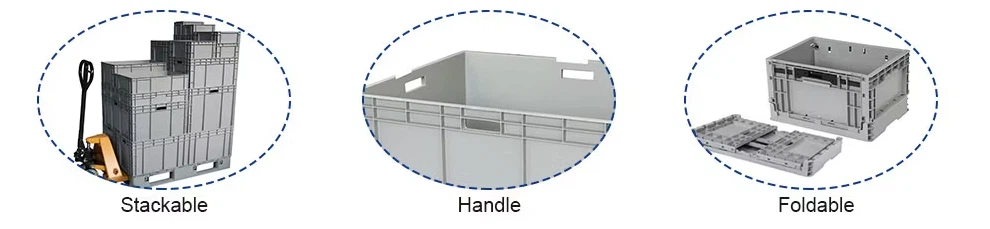
Lobster Box
Design: Layered partitions hold live seafood; drainage channels prevent dehydration.
Uses: Live seafood transport with built-in quick-drain holes for freshness.
Compliance: Meets HACCP and other cold-chain standards.

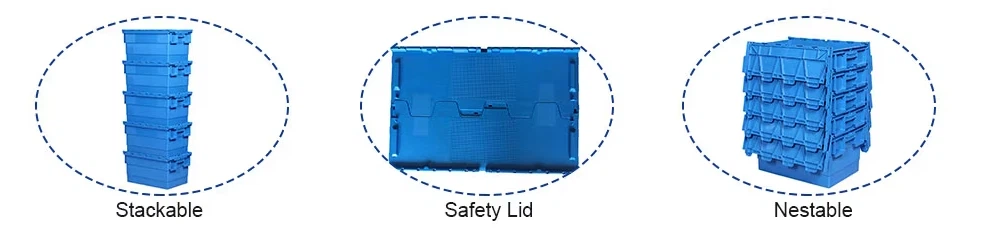
Tote Box
Design: Lightweight (<5 kg), easy to carry, often with transparent windows.
Uses: Ideal for small parts, retail samples, and short-distance delivery.
Limitation: Limited capacity, not suitable for heavy loads.
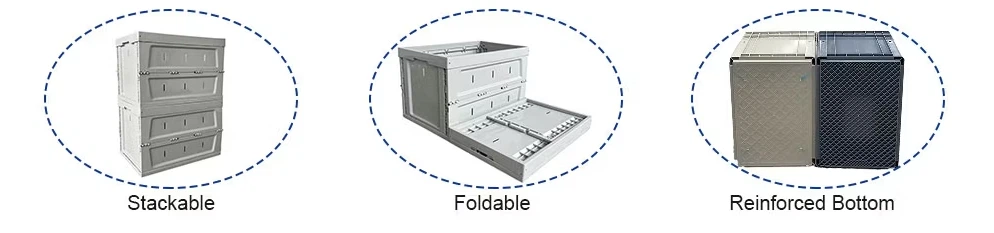
Foldable Crate
Features: Collapsible structure with reinforced frame and secure locking system.
Uses: Medical supplies, electronics, or fragile goods where space-saving and shock resistance matter.
General Advantages and Limitations
Advantages
Hygiene: Smooth surfaces make cleaning easier; safe for food and pharmaceuticals.
Durability: Lower damage rate than wooden or cardboard boxes.
Eco-Friendly: 100% recyclable, with available PCR-grade options.
Limitations
Temperature Sensitivity: HDPE may crack below -20°C-choose cold-resistant models.
Stacking: Non-reinforced crates may deform if stacked for long periods.
Surface Finish: Cheap crates with rough interiors can scratch delicate items-choose frosted/lined types.

Plastic Slatted Crates vs. Wooden Crates
|
Feature |
Plastic Slatted Crates |
Wooden Crates |
|
Weight |
Lightweight |
Heavy |
|
Hygiene |
Easy to clean, non-absorbent |
Absorbs moisture, prone to mold |
|
Durability |
Impact-resistant, no nails |
Can splinter or warp |
|
Maintenance |
No painting or fumigation |
Needs treatment for pests/mold |
|
Reusability |
100% recyclable, long lifespan |
Limited reuse, disposal issues |
Plastic slatted crates offer better consistency, lower maintenance, and can be custom-molded to fit your needs.
Customization Options
At Enlightening Pallet, we offer custom plastic crates tailored to your logistics or industrial requirements. Options include:
Custom Sizes & Colors
Printed Logos
Material Choices: Food-grade, anti-static, UV-resistant
Optional Features: Foldable walls, drainage ports, partitions
Bulk Procurement from Enlightening Pallet
Looking for a reliable plastic crate supply? Enlightening Pallet provides high-volume wholesale solutions for:
Supermarkets & food distributors
Manufacturing & logistics warehouses
Aquatic & agricultural exporters
Why choose us?
Direct factory pricing
ISO-certified production
Quick lead times & export-ready packaging
One-stop crate + pallet + container sourcing
Final Tips: Match the Crate to the Task
Bulk transport: Plastic pallet boxes or industrial containers
Fresh cold chain: Vented crates + lobster boxes
Special requirements: Foldable or custom crates with enhanced features
Always verify material specs (HDPE/PP), reinforcement options, and certification before bulk orders.