Tote Boxes: Practical Solutions For Industrial Storage And Logistics
Leave a message
Tote boxes have become essential tools in today's industrial and logistics operations. They help cut packaging costs and standardize material handling. This article covers what tote boxes are, how they're designed, where they're used, their advantages, how to choose them, and maintenance tips, giving you a solid understanding of this versatile container.
What Is a Tote Box?
A tote box is a heavy-duty plastic container with an attached lid, designed for industrial use.
Usually made from polypropylene (PP) or high-density polyethylene (HDPE) through seamless molding, tote boxes are sturdy and resistant to cracking. The lids typically fold left and right and lock securely with spring clips or latches, preventing accidental opening during transport.
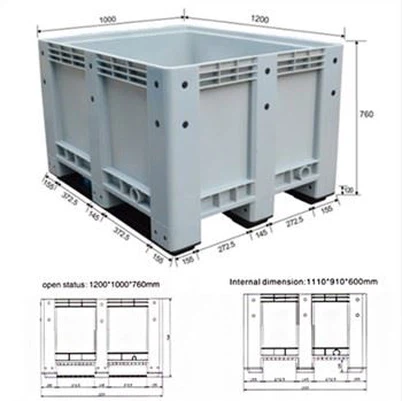
Their sizes are standardized to fit common pallets (like 1200×800 mm), and many have anti-slip textures on the bottom to keep stacks stable.
Key design features include hinges that can withstand over 5,000 openings, grooves around the box that evenly distribute weight when stacked, and optional transparent windows for quick content checks. They also include designated areas for labels, which helps with tracking and organization.

Common Uses
In factories, tote boxes store small parts like bolts and bearings. They're labeled and sent directly to production lines, simplifying inventory flow.
Maintenance shops keep tools in these boxes, making it easy to move equipment around and return it at day's end.
In logistics, e-commerce warehouses use tote boxes to sort packages efficiently. Once full, the boxes roll straight to delivery trucks.
Pharmaceutical companies prefer sealed tote boxes paired with ice packs for temperature-controlled transport, ensuring product safety.
Tote boxes work across industries: supermarkets use them to stock shelves with forklifts; event organizers use wheeled tote boxes to transport and set up displays quickly; fresh produce handlers select versions with drainage holes for easy cleaning.

Advantages Over Traditional Packaging
Tote boxes are durable and impact-resistant, surviving 1.5-meter drops without damage. They can replace 50 to 100 single-use cardboard boxes, cutting waste and recurring costs. They handle temperature swings from -20°C to 60°C, suitable for cold chain or room temperature shipments.
Management improves with color-coded boxes for different materials and lockable lids to prevent tampering. Their stackable design ensures safe transport, while space-saving nesting reduces empty box volume by up to 70%, lowering storage costs.
How to Choose the Right Tote Box
Measure your items carefully, leaving about 5% extra space to avoid jamming. Choose boxes made from new, semi-transparent materials rather than recycled plastics, which can yellow and become brittle.
For valuable goods, pick models with locking lids; for general use, simple latch types work. If you move boxes often, consider those with swivel wheels and brakes, ensuring the wheels can bear the load.
Check if suppliers offer custom printing for logos or labels and if they provide warranty services like free replacement for cracked boxes to protect your investment.
maintenance tips
Clean tote boxes with mild detergent-avoid abrasive materials like steel wool. Keep them dry when stored to prevent rusting in hinge areas. Track usage and inspect regularly; replace boxes if lids become stiff or cracks appear, especially under heavy loads.
Why Tote Boxes Fit Your Business
Whether you're in manufacturing, e-commerce, or logistics, tote boxes adapt to your needs. They offer long-term savings, fit pallet standards, and support automation. Using tote boxes helps streamline packaging, boost efficiency, and reduce environmental impact.
Summary
Tote boxes provide a durable, cost-effective, and organized way to manage materials throughout your supply chain. Choosing the right type and maintaining them well ensures smooth operations and better control over your inventory and transport.