Steel Vs. Plastic Waste Bins: Choosing The Right Solution For Your Needs
Leave a message
When selecting waste management solutions, one of the most fundamental decisions is choosing between steel and plastic bins. Both materials offer distinct advantages and limitations, making the choice dependent on your specific requirements, environment, and budget. Understanding these differences is essential for making an informed investment.
Durability and Lifespan
Steel bins typically last between 10 and 20 years with proper maintenance, making them exceptionally long-term investments for high-traffic public spaces and industrial environments. Their heavy-gauge construction resists denting, vandalism, and physical impacts that would crack or damage plastic alternatives. While plastic bins have improved significantly in durability, they remain vulnerable to cracking, warping, and UV degradation over time, particularly in outdoor settings exposed to harsh weather conditions.
However, steel bins are more susceptible to rust and corrosion in humid or rainy climates, especially when exposed to moisture over extended periods. Coastal environments and wet waste applications can accelerate corrosion, requiring galvanized or stainless steel options for adequate protection. Plastic bins excel in these conditions, as they naturally resist rust and perform well in environments with high humidity or frequent exposure to water.
Maintenance and Hygiene
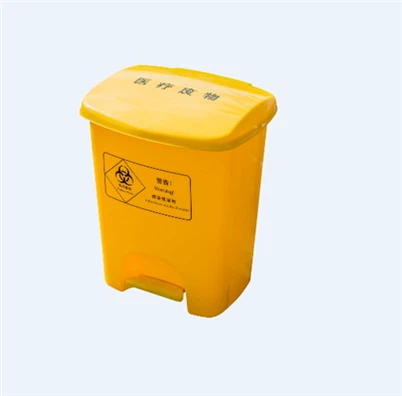
Plastic bins offer superior ease of cleaning due to their smooth, non-porous surfaces. Detergents and cleaning agents won't harm the material or color, and there's no risk of rust from water exposure during washing. This makes plastic particularly suitable for medical waste, organic waste, and food service applications where frequent sanitization is essential.
Steel bins, while requiring more careful maintenance to prevent rust, don't absorb odors like plastic can over time. Stainless steel varieties are naturally antimicrobial and easy to wipe clean, though they may require periodic polishing to maintain their appearance and prevent smudging.
Environmental Considerations
From a sustainability perspective, steel holds a clear advantage. It's infinitely recyclable without quality degradation, and can be recycled and reused repeatedly without losing its properties. Most steel bins are manufactured from recycled content and will be recycled again at the end of life. Plastic bins, while technically recyclable, often end up in landfills due to contamination from waste exposure, and most plastics cannot biodegrade naturally.
Cost Analysis
Steel bins cost two to four times more upfront than mass-produced plastic containers, but their extended lifespan often justifies the investment for permanent installations and high-use environments. Plastic bins offer budget-friendly initial pricing and remain cost-effective for applications with lower usage intensity or where bins may need replacement due to aesthetic preferences rather than structural failure.
The Verdict
Neither material is universally superior-the right choice depends on your specific needs. Steel bins excel in permanent installations, high-traffic areas, vandalism-prone locations, and where sustainability and professional appearance are priorities. Plastic bins are ideal for applications requiring mobility, coastal or humid environments, organic waste collection, and budget-conscious projects. By carefully evaluating your operational requirements, environmental conditions, and long-term goals, you can select the waste management solution that delivers optimal performance and value for your unique situation.