



Colored Plastic Pallets
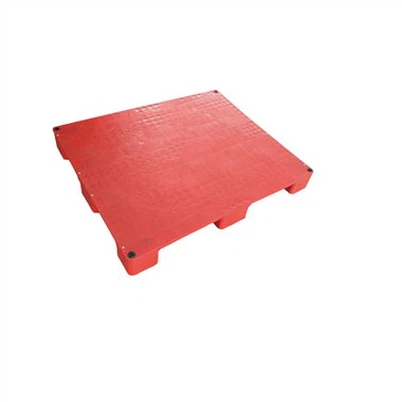
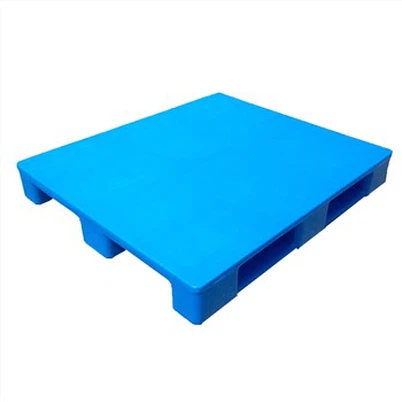
Our Colored Plastic Pallets are available in a variety of colors and sizes, offering high load capacity, easy-to-clean surfaces, and eco-friendly features to meet the needs of various industries.
Description
Enlightening Pallet Industry Co., Limited is one of the leading manufacturers and suppliers of colored plastic pallets in China. Please feel free to wholesale cheap colored plastic pallets for sale here from our factory. Quality products and reasonable price are available.

A Rigid Pallet Box is a type of spice organizer that allows you to store your spices at an angle, making them easier to see and access. Rigid Pallet boxes come in different shapes, sizes, and materials, depending on your preference and kitchen space.
Advantages of Using Plastic Pallets
There are many reasons why businesses opt for plastic pallets over other storage and transportation options, such as wooden pallets. Some of the key benefits of plastic pallets include:
1. They're incredibly strong and durable. Plastic pallets are designed to withstand heavy loads and tough conditions, making them perfect for both indoor and outdoor use.
2. They're easy to clean and maintain. Plastic pallets can be easily cleaned with a hose or power washer – perfect for businesses that require high standards of hygiene.
3. They are weather-resistant, demonstrating strong stability whether you use them in hot or cold conditions.
4. They are pest-free, eliminating the risk of insects or other unwanted contaminants.
5. They're environmentally friendly and fully recyclable at the end of their lifespan, offering a sustainable solution that minimizes waste and supports eco-friendly practices.
6. Optional Anti-Slip Strips enhance safety in dynamic logistics environments.
7. 4-Way Forklift Entry for efficient handling and compatibility with automation.
Why Choose Coloured Pallets and Specification of Our Colored Plastic Pallets
Why Choose Coloured Pallets?
Colored pallets provide a simple method of quality assurance and control. It is possible to recognize a colored pallet from much further away than is necessary if a barcode is the main method of identification, for example. This can be important during handling and warehousing. Audits can be made much simpler when even pallets on high racks can easily be accounted for, and there is less chance of handlers selecting the wrong pallet for shipment if there is a clear color code in place.
Choosing to use different colored pallets for different products or materials can prevent cross-contamination, which is especially important if dangerous materials are involved and will help to ensure correct handling for specific items whilst minimizing the chance of sorting errors.
Pallet color can also be an important part of increasing brand recognition and improving the aesthetic effect, especially in retail environments where customers may encounter your pallets. A synthesized approach to color will promote an idea of unity, brand strength, and attention to detail that can only be beneficial to business.
Specification of Our Colored Plastic Pallets
|
Size |
1200x1000x135mm |
|
Material |
hdpe |
|
Weight |
12kg |
|
Dynamic load |
1t |
|
Static load |
4t |
|
Loading qty |
200 pcs/ 20GP |
|
Color |
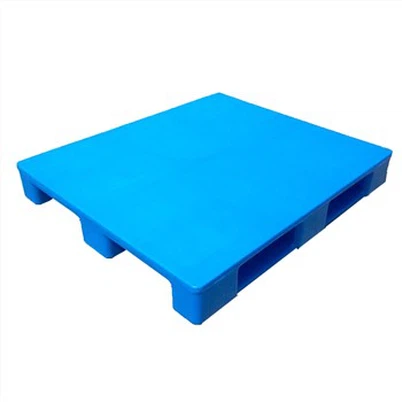
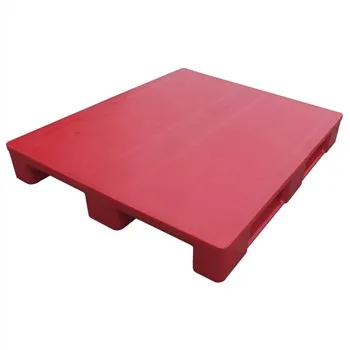
blue, green, red, etc |
What Sizes Do Plastic Pallets Come In?
To ensure consistency among pallets, local trade associations have standardized dimensions and specifications. The following six national standards have been adopted by the International Organization for Standardization (ISO) as international norms.
In North America, pallet standards were first set by the Grocery Manufacturers Association (GMA), now rebranded to the Consumer Brands Association (CBA). The CBA settled on a 48×40-inch pallet as the standard for the grocery industry. These GMA spec pallets went on to become the most commonly used pallets in North America across many industries. (Note: GMA rebranded to Consumer Brands Association in 2020)
The ASP evolved in the aftermath of the Second World War from pallets left behind by the U.S. military, which were also perfectly square. The size was modified from the original 48×48 inches to a slightly smaller 1165×1165 millimeters (mm) to make the pallets easier to handle, and later Australia developed the specialized RACE railway container to fit two ASP pallets side-by-side. This size of pallet has been retained despite being peculiar to Australia and complicating international trade.
This pallet came into common use in Japan and Korea after the Second World War, and in China somewhat later. Australian industries transfer their products to these pallets for international trade. At 1100×1100 mm, they are incompatible with pallet racking systems in Europe and North America and are losing share to the type one Euro pallet in the region for international trade.
The original 800×1200 mm Euro pallet was standardized in 1968 and predates the body that is now responsible for standardization and licensing. Its smaller size in comparison to other pallet standards enables it to fit through standard door openings. However, it does not fit well into ISO standard shipping containers and increasing global trade beyond Europe has contributed to a decline in its use. It is compatible with North American pallet racking systems, however.
The type two European pallet is a total of six standard European pallet sizes set by the European Pallet Association a close equivalent to the North American GMA pallet and largely compatible with North American pallet racking systems. This has helped it find increasing use in North America and Asia as well as in Europe.
The 1067×1067 mm pallet is a bit odd. Despite its metric sizing, it originates with the U.S. military and was originally designed for efficiently transporting ordnance. It is also incompatible with North American and European racking systems and fits poorly into ISO shipping containers. Despite these issues, it is still widely used in Asia, America, and Europe in the paint and telecommunications industries.
Why Clean Your Plastic Pallets?
Product Safety
The main concern in the shipping and logistics industry is ensuring the safety and integrity of your goods. Contaminated pallets can pose a significant threat in this regard. When pallets are not adequately cleaned and maintained, they can harbor a variety of contaminants, including dirt, dust, chemicals, and even harmful pathogens.
Such contamination can easily transfer to your products during transport or storage, potentially rendering them unsafe for consumption or use.
For example, in the food industry, where hygiene is of utmost importance, any compromise in cleanliness can lead to foodborne illnesses and substantial legal liabilities. Similarly, in pharmaceuticals, contamination can result in compromised drug efficacy or even pose health risks to patients. Therefore, maintaining clean pallets is not just a matter of hygiene but also a crucial aspect of product safety.
Compliance
Clean pallets are not only vital for product safety but are also an essential component of regulatory compliance, especially in industries with stringent hygiene and safety regulations.
The food and pharmaceutical sectors, for instance, are subject to rigorous quality control standards and hygiene regulations imposed by government agencies such as the FDA. Failure to comply with these regulations can result in severe consequences, including fines, product recalls, and damage to brand reputation.
Clean pallets are a fundamental requirement in meeting these standards. They are a visible indicator of a commitment to maintaining hygiene and safety throughout the supply chain. Choosing clean and well-maintained plastic pallets ensures that your operations align with industry-specific guidelines and legal requirements, ultimately reducing the risk of compliance issues.
Longevity
Aside from the immediate concerns of product safety and compliance, the longevity of your plastic pallets is a practical consideration that should not be overlooked.
Clean pallets inherently last longer and offer better durability. Regular cleaning and maintenance prevent the accumulation of dirt, debris, and contaminants that can accelerate wear and tear.
This translates into cost savings and minimizes the environmental impact associated with pallet disposal. In essence, clean plastic pallets not only protect your products and uphold regulatory standards but also contribute to the long-term sustainability and efficiency of your logistics operations.
Efficiency
Clean pallets are easier to handle, stack, and transport. They contribute to smoother logistics operations and minimize the risk of accidents.
How to Clean Plastic Pallets?
Plastic Pallet Cleaning Method #1: Manual Clean
If you prefer ensuring a job well done by manually cleaning each pallet, this process only requires a few steps. Furthermore, when you only have a handful of pallets to wash, this cleaning process will not take too much time to complete.
First, begin with using an air compressor to clear away any dust, grass, leaves, or other debris.
Next, hose down your pallets with water and scrub the plastic pallets with your preferred type of all-purpose, heavy-duty soap. This will clean off any remaining debris or food spills accumulated from previous shipment trips.
Finally, you can apply a heat treatment to the plastic pallets by using a steam cleaner. The heat will assist in sterilizing the pallets and killing additional germs.
Plastic Pallet Cleaning Method #2: High-pressure and Automated Washers
When working with pharmaceutical, food, or chemical products to ship, you need to effectively clean plastic pallets for reuse. Therefore, for a deeper clean, use a pressure washer.
One benefit of using plastic pallets is that they are strong and durable, especially when compared to wooden pallets. As a result, plastic pallets can withstand both high-pressured water and stronger soaps.
Pressure washers help to eliminate dirt and residue buildup. Additionally, there are numerous models for different pounds per square inch and gallons of water used per minute. Therefore, this allows you to find the best pressure washer according to your plastic pallet cleaning needs!
Plastic Pallet Cleaning Method #3: Heat Sterilization
Regardless of a pallet's application, it is paramount to ensure that each pallet remains sterile. Whether the products transported are for consumption or sterilization, you do not want to risk mixing various chemicals or pharmaceuticals. Therefore, heat sterilization serves as a proper cleaning method for plastic pallets that require high sanitation.
Heat sterilization helps to effectively remove grease, chemicals, or dirt while providing a deep, hygienic clean. However, to ensure a proper heat sterilization treatment, temperatures must reach a minimum of 165 degrees Fahrenheit. Additionally, it is important to note that this process should take place in a designated cleaning room. Once cleaned, the plastic pallets can then be wrapped or bagged for storage if they are not needed for immediate use.
Which Colours to Choose?
There are four main factors to consider when deciding on pallet colors: functionality, international shipping, branding, and cost.
Functionality
Depending on your operating arena and practices, you may need to consider the UV resistance of the color you choose and its ability to resist scuffs and maintain its appearance.
International Shipping
Employing specific colors already used and accepted as a standard in different countries can improve handling and speed up the processing of your shipments.
Branding
To maintain branding and aesthetic appeal, you may want to think about how the colors you choose will fit in with your existing color schemes, ranging from retail premises to marketing material. It will also be a consideration if you plan to incorporate a logo on your pallets. Another consideration should be the choices made by competitors shipping or storing similar products. Colored pallets can be an ideal way of differentiating your goods, but this will be most effective if there are not too many similarities with competing firms.
Cost
Different colors will inevitably incur varying costs, but ENLIGHTENING Pallets prides itself on both its range of choice and competitive pricing. Individual quotes are provided based on specific inquiries, so simply get in touch for more information.
Our Factory and Certificate


Frequently Asked Questions About Colored Plastic Pallets
Q: What are the key benefits of using plastic pallets?
Q: Are plastic pallets more durable than wood pallets?
Q: How do plastic pallets contribute to sustainability?
Q: Can plastic pallets improve supply chain efficiency?
Q: How many times can you reuse a plastic pallet?
On average, a plastic pallet can be reused between 50 to 200 times before you have to recycle or dispose of it.
The number of times a plastic pallet can be reused also depends on the maintenance and care it receives.
Plastic pallets should be inspected before and after every use to ensure they are free of any cracks or damages that could compromise their structural integrity. If a plastic pallet is damaged, it should be removed from service immediately to prevent accidents and injuries. Proper cleaning and sanitizing of plastic pallets after each use can also help extend their lifespan and prevent contamination.
Q: Are plastic pallets clean?
Yes. The use of plastic pallets is a strict requirement in most sterilized food and beverage, pharmaceutical and medicine, and cosmetics production environments. This is mostly because plastic pallets are non-porous and resistant to moisture, insects, fungi, acids, fats, solvents, and odor. As an inorganic, impermeable material, plastic does not absorb liquid, nor does it offer a hospitable environment for bacteria or other living things to grow.
Even more critically, plastic pallets can be washed between uses. Within a strong pooling program, plastic pallets will be cleaned and inspected before reentering the supply chain.
Q: Are plastic pallets recyclable?
Q: What kinds of companies are using plastic pallets and why?
Major leaders in many supply chains are finding plastic pallets to be a cost-effective and durable alternative to the classic wood pallet.
Plastic pallets are especially popular within food supply chains because they are washable and eliminate the risk of contaminating food with dust or wood chips. In many cases, regulations are in place restricting the use of wood pallets in certain environments, and rightfully so.
Our clients include growers, processors, manufacturers, distributors, and retailers. The entire supply chain of food and non-food production, distribution, and sale can take advantage of the benefits of reusable plastic pallets.
Q: What are plastic pallets made from?
There are two main materials used in the production of reusable plastic pallets, high-density virgin polypropylene (HDPE) and virgin Polypropylene (PE).
PE is a more rigid material and as a result, holds heavier loads. HDPE offers improved impact and corrosion resistance and adds extra strength.
Once melted, the HDPE or PE is injected under high pressure into a mold and secured in place with clamps. Once cooled, the pallet is now crack-resistant, tough, and ready to be used.
Of course, besides the traditional virgin materials used to create plastic pallets, the steady movement of progress has led supply chain leaders to develop alternatives that make use of recycled materials. For example, these sturdy plastics can also be combined with recycled materials to create a more sustainable option, taking the benefits of virgin plastic and combining them with stronger environmental credentials. The recycled material going into these eco pallets includes plastic pallets which have reached the end of their service life. Additionally, other pallets are in the process of development that will make use of discarded consumer materials to make up the solid base of plastic pallets. (We will have some very exciting news about this soon! Stay tuned to hear what Tosca is doing in this space.)
Q: Are plastic pallets heavy-duty enough to handle my supply chain?
Whether you are looking for 1200x1000mm Industrial size pallets that are heavy-duty enough to remain strong under heavy loads in a warehouse for some time or 1200x800mm Euro-size pallets that are simply strong enough to move smaller loads over distances and for short periods, there are many heavy-duty options available.
The fact is, in nearly every case, plastic pallets are more stable, more robust, and less prone to damage than wooden alternatives. Plastic materials are impermeable to water, so pallets made with plastic do not weaken or increase in weight when exposed to liquids. Plastic pallets are also not made up of fibers like wood, so they do not split and crack under pressure along the same fault lines. In the case of the heaviest-duty pallets, metal reinforcements add to the strength of the pallets.
In other words, no matter the load type in question – static load, maximum dynamic load, or rack load – there is a plastic pallet type designed to suit your specific needs.
Q: What are black plastic pallets used for?
Q: Why is color important for plastic pallets?
Q: What are red pallets used for?
Q: What are nestable plastic pallets?
Q: What kinds of plastic pallets do you have?
Like their wooden counterparts, plastic pallets can also be made in a variety of colors, designs, and weights. You can get an idea of the various sectors our products are active in by looking at our application section.
There are many options for new plastic pallets. You can choose from Euro Pallets that conform to European import and export regulations, Hygienic Pallets that are commonly used in the pharmaceutical industry, or Heavy Duty Pallets that are strong and durable and perfect for repeated use.
You can even match your branding with bright orange plastic pallets!
Hot Tags: colored plastic pallets, China colored plastic pallets manufacturers, suppliers, factory
You Might Also Like


-
 Phone
Phone
-
 Email
Email
-
 Address
No.339 Hui Xian Road, Jiading District, Shanghai