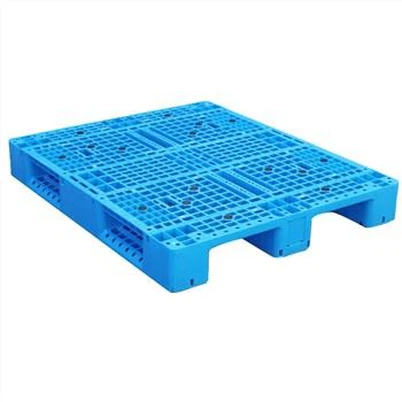
How do 48 X 48 plastic pallets perform in radiation - exposed environments?
Leave a message

Hey there! I'm a supplier of 48 X 48 plastic pallets, and today I wanna talk about how these pallets perform in radiation - exposed environments. It's an important topic, especially for industries where radiation is a part of the process, like in some medical or food sterilization facilities.


Understanding Radiation and Its Effects on Materials
First off, let's get a quick low - down on radiation. There are different types of radiation, such as gamma rays, X - rays, and ultraviolet (UV) rays. Each type has its own characteristics and can interact with materials in various ways. Gamma rays, for example, are high - energy photons that can penetrate deep into materials. They're often used in sterilization processes because they can kill bacteria, viruses, and other pathogens.
When it comes to plastic pallets, radiation can potentially cause some changes. Plastics are made up of long - chain polymers, and radiation can break these chains. This breakage can lead to a loss of mechanical properties like strength and toughness. Over time, the plastic may become brittle, and its ability to hold heavy loads might be compromised.
How 48 X 48 Plastic Pallets Fare in Radiation
Now, let's focus on our 48 X 48 plastic pallets. These pallets are designed to be durable, but radiation is a tough customer. The performance of these pallets in a radiation - exposed environment depends on a few factors.
The type of plastic used is crucial. Some plastics are more resistant to radiation than others. For instance, high - density polyethylene (HDPE) is known to have better radiation resistance compared to some other common plastics. Our 48 X 48 plastic pallets are often made from HDPE, which gives them a good starting point in radiation - prone areas.
The intensity and duration of radiation exposure also matter a lot. A short - term exposure to low - level radiation might not have a significant impact on the pallets. But if they're constantly exposed to high - intensity radiation, the effects will start to show. We've seen that in some long - term radiation tests, the pallets may experience a slight decrease in their load - bearing capacity after a certain period.
Another factor is the additives used in the plastic. Some additives can enhance the radiation resistance of the plastic. For example, antioxidants can help prevent the oxidation of the plastic that can be accelerated by radiation. We use carefully selected additives in our pallets to improve their performance in radiation - exposed environments.
Real - World Applications
In real - world scenarios, our 48 X 48 plastic pallets are used in various industries where radiation is present. In the medical field, they're used to transport and store medical supplies that need to be sterilized using radiation. The pallets need to withstand the radiation treatment without significant damage so that they can continue to be used for multiple cycles.
In the food industry, radiation is sometimes used for food preservation. Our pallets are used to move food products through the radiation chambers. They need to be able to handle the weight of the food and the radiation exposure without contaminating the food or breaking down.
Comparing with Other Pallet Types
When it comes to radiation - exposed environments, 48 X 48 plastic pallets have some advantages over other types of pallets. Wooden pallets, for example, are more likely to absorb moisture and can be damaged by radiation more easily. Metal pallets can be heavy and may react with the radiation in different ways, which could lead to corrosion or other issues.
Plastic pallets are lightweight, easy to clean, and generally more resistant to many of the problems associated with radiation. They also don't splinter like wood, which is a big plus in industries where cleanliness is crucial.
Our Product Range and Their Suitability
We have a range of 48 X 48 plastic pallets, each with its own features that can affect their performance in radiation - exposed environments.
The 6 Runners Plastic Pallet is a popular choice. It has a medium - duty design, which means it can handle a decent amount of weight. The structure of the six runners provides good stability. In a radiation - exposed environment, its HDPE material and the right mix of additives make it a reliable option.
The Warehouse Stacking Plastic Pallets for Sacks are great for stacking heavy sacks. They're designed to be stacked securely, which is important in a warehouse setting. The plastic used in these pallets is formulated to resist radiation, so they can maintain their structural integrity even after exposure.
The Flat Top Nine Legs Plastic Pallet offers a flat surface, which is ideal for transporting various types of goods. The nine - leg design provides good support from all angles. In radiation - exposed areas, this pallet can continue to perform well due to its robust construction and radiation - resistant plastic.
Tips for Using 48 X 48 Plastic Pallets in Radiation - Exposed Areas
If you're using our 48 X 48 plastic pallets in a radiation - exposed environment, here are some tips. First, monitor the pallets regularly for any signs of damage. Look for cracks, brittleness, or a decrease in load - bearing capacity. If you notice any issues, it might be time to replace the pallets.
Second, try to limit the pallets' exposure to radiation as much as possible. For example, if you can use them for non - radiation - related tasks when they're not needed in the radiation area, it can extend their lifespan.
Finally, make sure to follow the proper handling procedures. Rough handling can cause additional stress on the pallets, which can be exacerbated by radiation exposure.
Conclusion
In conclusion, our 48 X 48 plastic pallets can perform well in radiation - exposed environments, especially when they're made from radiation - resistant plastics like HDPE and have the right additives. They have several advantages over other types of pallets in these settings. However, it's important to be aware of the factors that can affect their performance and take steps to ensure their longevity.
If you're in an industry where radiation is a part of your operations and you're looking for reliable pallets, we'd love to talk to you. Whether you need the 6 Runners Plastic Pallet, Warehouse Stacking Plastic Pallets for Sacks, or Flat Top Nine Legs Plastic Pallet, we can provide you with the right solution. Get in touch with us to start a conversation about your pallet needs.
References
- "Radiation Effects on Polymers" by John M. Chalmers
- "Plastic Materials and Their Properties" by Christopher Hall