Do 6 Runners Plastic Pallets have a uniform thickness?
Leave a message

As a supplier of 6 Runners Plastic Pallets, I often encounter questions from customers regarding the uniformity of their thickness. This is a crucial aspect that affects the pallets' performance, durability, and suitability for various applications. In this blog post, I will delve into the topic of whether 6 Runners Plastic Pallets have a uniform thickness, exploring the factors that influence thickness variation and the importance of consistent thickness in pallet design.
Understanding 6 Runners Plastic Pallets
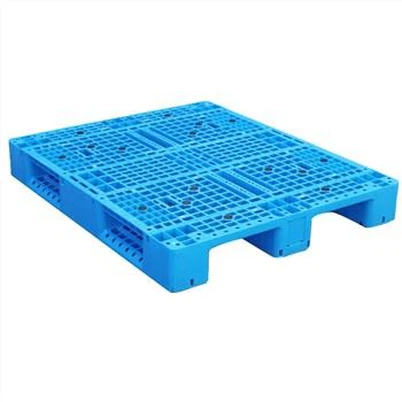
Before we discuss thickness uniformity, let's briefly understand what 6 Runners Plastic Pallets are. These pallets are a type of medium-duty plastic pallet designed with six runners that provide support and stability. They are commonly used in various industries for storing and transporting goods, offering several advantages over traditional wooden pallets, such as durability, hygiene, and resistance to moisture and pests. You can learn more about 6 Runners Plastic Pallets here.
Factors Affecting Thickness Variation
In an ideal world, all 6 Runners Plastic Pallets would have a perfectly uniform thickness. However, in reality, several factors can lead to some degree of thickness variation. These factors include:


Manufacturing Process
The manufacturing process of plastic pallets can have a significant impact on their thickness. Injection molding is the most common method used to produce plastic pallets, where molten plastic is injected into a mold cavity under high pressure. Variations in the injection pressure, temperature, and cooling rate can cause slight differences in the thickness of the pallets. Additionally, the design of the mold itself can also influence the thickness distribution, as some areas may be more difficult to fill evenly with plastic.
Material Properties
The type and quality of the plastic material used in the pallet manufacturing can also affect its thickness. Different plastics have different flow properties, which can impact how evenly the material fills the mold. For example, recycled plastics may have a more inconsistent composition compared to virgin plastics, leading to greater thickness variation. Moreover, the presence of additives or fillers in the plastic can also alter its flow behavior and affect the final thickness of the pallet.
Design Considerations
The design of the 6 Runners Plastic Pallet can also contribute to thickness variation. Some pallets may be designed with specific features, such as reinforced edges or ribbing, which can result in thicker sections in certain areas. These design elements are often incorporated to enhance the pallet's strength and durability, but they can also cause differences in thickness across the pallet.
Importance of Uniform Thickness
While some degree of thickness variation is inevitable, maintaining a relatively uniform thickness is essential for the optimal performance of 6 Runners Plastic Pallets. Here's why:
Load Distribution
A uniform thickness ensures that the weight of the load is evenly distributed across the pallet's surface. This helps prevent overloading in specific areas, which can lead to pallet deformation or failure. When the load is distributed evenly, the pallet can better withstand the weight and stress, reducing the risk of damage to the goods being transported.
Stackability
Uniform thickness is crucial for the stackability of plastic pallets. When pallets have consistent thickness, they can be stacked securely on top of each other without wobbling or tipping over. This is particularly important in warehouses and storage facilities where space utilization is maximized by stacking pallets vertically.
Compatibility with Handling Equipment
Most handling equipment, such as forklifts and pallet jacks, is designed to work with pallets of a specific thickness. A uniform thickness ensures that the 6 Runners Plastic Pallets are compatible with these handling devices, allowing for smooth and efficient material handling operations. Inconsistent thickness can cause problems with the equipment's forks or wheels, leading to difficulties in lifting and moving the pallets.
Quality Control Measures
To minimize thickness variation and ensure the quality of 6 Runners Plastic Pallets, manufacturers implement various quality control measures. These measures include:
Inspection and Testing
Manufacturers conduct regular inspections and tests on the pallets during the production process to check for thickness variation. This may involve using precision measuring tools, such as calipers or micrometers, to measure the thickness at multiple points on the pallet. Pallets that do not meet the specified thickness requirements are either rejected or reworked to ensure compliance.
Process Optimization
Manufacturers continuously optimize the injection molding process to improve the consistency of the pallet's thickness. This may involve adjusting the injection pressure, temperature, and cooling rate, as well as fine-tuning the mold design. By carefully controlling these parameters, manufacturers can reduce the likelihood of thickness variation and produce pallets with a more uniform thickness.
Material Selection
Choosing the right plastic material is also crucial for minimizing thickness variation. Manufacturers often use high-quality virgin plastics or carefully selected recycled plastics to ensure consistent material properties. Additionally, they may conduct material testing to verify the quality and flow characteristics of the plastic before using it in the pallet manufacturing process.
Comparing with Other Pallet Types
It's interesting to compare the thickness uniformity of 6 Runners Plastic Pallets with other types of pallets. For example, Medium Duty Plastic Full Perimeter Pallets and Heavy Duty 1000 X 1200 Euro Pallets also have their own unique characteristics in terms of thickness.
Medium Duty Plastic Full Perimeter Pallets typically have a more enclosed design, which can contribute to better load distribution and potentially more uniform thickness. The full perimeter design provides additional support around the edges of the pallet, reducing the likelihood of thickness variation in these areas.
Heavy Duty 1000 X 1200 Euro Pallets, on the other hand, are designed to withstand heavier loads and may have a thicker overall construction. While they also aim for uniform thickness, the increased structural requirements may result in some differences in thickness compared to lighter-duty pallets.
Conclusion
In conclusion, while 6 Runners Plastic Pallets may not have a perfectly uniform thickness, manufacturers take significant steps to minimize thickness variation and ensure the quality of their products. Maintaining a relatively uniform thickness is essential for the pallets' performance, durability, and compatibility with handling equipment. By implementing strict quality control measures and optimizing the manufacturing process, manufacturers can produce 6 Runners Plastic Pallets that meet the high standards required by various industries.
If you are in the market for 6 Runners Plastic Pallets or have any questions about their thickness uniformity, please feel free to contact us for more information. We are committed to providing high-quality plastic pallets that meet your specific needs and requirements.
References
- Plastic Pallet Manufacturing Handbook
- Industry Standards for Plastic Pallet Thickness
- Research Papers on Plastic Pallet Design and Performance