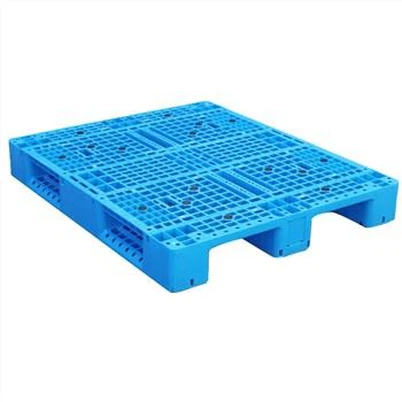
How do I secure oil drums on an oil drum spill pallet?
Leave a message

Hey there! As a supplier of Oil Drum Spill Pallets, I often get asked about how to secure oil drums on these pallets properly. It's a crucial question because a well - secured oil drum not only prevents spills but also ensures the safety of your workplace and the environment. So, let's dive right in and talk about the best ways to do it.
First off, let's understand why securing oil drums on spill pallets is so important. Oil spills can be a huge headache. They're a safety hazard, they can damage the environment, and they can lead to some serious legal issues. An oil drum spill pallet is designed to contain spills, but if the drums aren't secured, they can tip over, and the whole point of having the pallet goes out the window.
Now, let's look at the types of oil drums you might be dealing with. You've got the 55 Gallon Blue Drum, which is a pretty standard size. Then there are IBC Containers, which are larger and used for bulk storage. Different types of drums may require different securing methods.
One of the simplest ways to secure oil drums on a spill pallet is by using straps. Straps are easy to use and can be adjusted to fit different drum sizes. You can get ratchet straps, which are great because you can tighten them really well. Just loop the strap around the drum and through the slots on the spill pallet, then use the ratchet to tighten it up. Make sure the strap is tight enough so that the drum doesn't move around, but not so tight that it damages the drum.
Another option is to use drum cradles. These are specially designed to hold oil drums in place. They fit snugly around the bottom of the drum and keep it stable. Some cradles are made of plastic, while others are metal. Plastic cradles are lightweight and corrosion - resistant, which is great if you're storing drums that contain corrosive substances. Metal cradles, on the other hand, are more heavy - duty and can handle a lot of weight.
If you're using Rotomolding Spill Containment Pallet, you'll find that it often comes with built - in features for securing drums. Some pallets have raised edges or ridges that help keep the drums in place. You can also use the tie - down points on the pallet to attach straps or chains.
When it comes to positioning the drums on the pallet, it's important to do it right. Try to keep the drums centered on the pallet. If you have multiple drums, arrange them in a way that distributes the weight evenly. This will help prevent the pallet from tipping over. Also, make sure there's enough space between the drums so that you can access them easily if you need to.
Regular inspections are a must. Check the straps, cradles, and the drums themselves for any signs of wear and tear. If a strap is frayed or a cradle is damaged, replace it immediately. You should also check the spill pallet for any cracks or leaks. A damaged pallet won't be able to contain spills effectively.


Training your employees is also crucial. Make sure they know how to properly secure the oil drums on the spill pallets. Show them the right way to use straps, cradles, and other securing devices. Provide them with safety guidelines and make sure they understand the importance of following them.
Now, let's talk about some common mistakes to avoid. One mistake is overloading the pallet. Each spill pallet has a weight limit, and you need to make sure you don't exceed it. Overloading can cause the pallet to break or tip over, leading to spills. Another mistake is not tightening the straps enough. Loose straps won't hold the drums in place, so take the time to make sure they're properly tightened.
In addition to securing the drums physically, you should also have a spill response plan in place. This plan should include steps to take in case of a spill, such as how to contain the spill, how to clean it up, and who to contact. Having a well - thought - out spill response plan can minimize the damage caused by a spill.
When choosing a spill pallet, consider the type of oil you're storing. Different oils have different properties, and some may require special spill pallets. For example, if you're storing oil that is highly flammable, you'll need a pallet that is made of fire - resistant materials.
In conclusion, securing oil drums on an oil drum spill pallet is a multi - step process. It involves choosing the right securing devices, positioning the drums correctly, regular inspections, and proper employee training. By following these steps, you can ensure that your oil drums are safely stored and that spills are kept to a minimum.
If you're in the market for high - quality Oil Drum Spill Pallets or need more information on how to secure your oil drums, don't hesitate to reach out. We're here to help you find the best solutions for your oil storage needs. Whether you're a small business or a large industrial operation, we've got the products and expertise to meet your requirements. Let's start a conversation about how we can work together to keep your workplace safe and spill - free.
References
- Industry standards for oil drum storage and spill prevention
- Manufacturer's guidelines for oil drum spill pallets
- Safety regulations regarding hazardous material storage