How to reduce the risk of damage to HDPE welded plastic pallets during use?
Leave a message

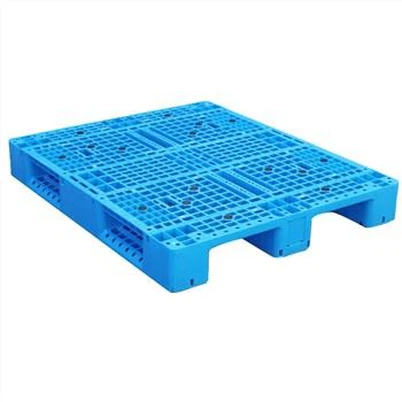
As a supplier of HDPE welded plastic pallets, I understand the importance of ensuring these pallets maintain their integrity and functionality throughout their use. HDPE (High-Density Polyethylene) welded plastic pallets are known for their durability, strength, and resistance to various environmental factors. However, like any product, they are still susceptible to damage if not used and maintained properly. In this blog post, I will share some valuable tips on how to reduce the risk of damage to HDPE welded plastic pallets during use.
1. Proper Loading and Stacking
One of the primary causes of damage to HDPE welded plastic pallets is improper loading. Overloading a pallet beyond its weight capacity can lead to structural failure, including cracks, breaks, or deformation. Each HDPE welded plastic pallet has a specified weight capacity, which should be strictly adhered to. Before loading, carefully assess the weight of the goods and distribute the load evenly across the pallet surface. Avoid concentrating the weight in one area, as this can create excessive stress on the pallet structure.
When stacking pallets, ensure that they are aligned properly to prevent any shifting or tilting. Use pallets of the same size and design for stacking to maintain stability. If possible, use a pallet racking system that is specifically designed for HDPE welded plastic pallets. This will provide additional support and prevent the pallets from being crushed under the weight of the stacked loads.
2. Handling with Care
The way HDPE welded plastic pallets are handled can significantly impact their lifespan. When using forklifts or pallet jacks to move the pallets, ensure that the forks are properly aligned with the pallet entry points. Avoid hitting the pallets with the forks or dragging them across rough surfaces, as this can cause scratches, dents, or even breakage.
It is also important to use the correct type of handling equipment for the pallets. For example, some HDPE welded plastic pallets may have specific fork entry requirements, such as four-way or two-way entry. Using the wrong type of equipment can damage the pallet structure and reduce its effectiveness.
3. Storage Conditions
Proper storage conditions are essential for maintaining the quality of HDPE welded plastic pallets. Store the pallets in a dry, clean, and well-ventilated area. Avoid exposing the pallets to direct sunlight for extended periods, as this can cause the plastic to degrade and become brittle over time. Extreme temperatures, both hot and cold, can also affect the performance of the pallets. If possible, store the pallets in a temperature-controlled environment to prevent any thermal expansion or contraction.
When storing the pallets, stack them in a stable and organized manner. Avoid stacking them too high, as this can increase the risk of toppling and damage. If the pallets are stored outdoors, use a protective cover to shield them from the elements.
4. Regular Inspection
Regular inspection of HDPE welded plastic pallets is crucial for identifying any signs of damage or wear early on. Inspect the pallets before and after each use, looking for cracks, breaks, or any other visible damage. Check the joints and welds to ensure they are intact and secure. If any damage is detected, remove the damaged pallet from service immediately to prevent further damage or potential safety hazards.
In addition to visual inspection, it is also a good idea to perform periodic load testing on the pallets. This will help to ensure that they are still capable of supporting the specified weight capacity. If a pallet fails the load test, it should be replaced or repaired as soon as possible.
5. Cleaning and Maintenance
Keeping HDPE welded plastic pallets clean is important for both their appearance and performance. Regularly clean the pallets using a mild detergent and water. Avoid using harsh chemicals or abrasive cleaners, as these can damage the plastic surface. Rinse the pallets thoroughly after cleaning to remove any soap residue.
If the pallets are used in a food or pharmaceutical environment, they may require more frequent cleaning and sanitization to meet hygiene standards. Follow the recommended cleaning and sanitization procedures provided by the manufacturer to ensure the pallets are safe for use.
6. Training and Education
Proper training and education of employees who handle HDPE welded plastic pallets are essential for reducing the risk of damage. Provide comprehensive training on the correct loading, stacking, handling, and storage procedures for the pallets. Ensure that employees are aware of the weight capacity and other specifications of the pallets.
In addition to training, it is also important to provide ongoing education and reminders to employees about the importance of proper pallet use and maintenance. This can help to reinforce good practices and prevent any accidental damage to the pallets.
Conclusion
By following these tips, you can significantly reduce the risk of damage to HDPE welded plastic pallets during use. Proper loading and stacking, careful handling, appropriate storage conditions, regular inspection, cleaning and maintenance, and training and education are all key factors in ensuring the longevity and performance of these pallets.


As a supplier of HDPE welded plastic pallets, I am committed to providing high-quality products and excellent customer service. If you have any questions or need further information about our Plastic Skid Pallet, Paleta De Plástico Hdpe 1210, or Palets De Plástico De Alta Resistencia Para El Sistema De Estanterías, please feel free to contact us. We look forward to discussing your pallet needs and helping you find the best solution for your business.
References
- [1] Manufacturer's guidelines for HDPE welded plastic pallets
- [2] Industry standards for pallet use and maintenance
- [3] Research studies on the durability and performance of HDPE plastic pallets