How do you clean rackable plastic pallets?
Leave a message

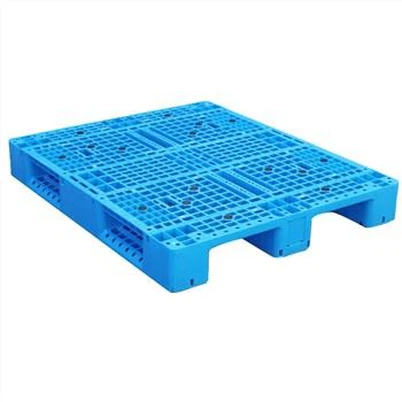
Hey there! As a supplier of Rackable Plastic Pallets, I often get asked about how to clean these nifty pallets. Well, you've come to the right place. In this blog, I'm gonna walk you through the whole process of cleaning rackable plastic pallets, step by step.
First off, let's talk about why cleaning these pallets is so important. Rackable plastic pallets are super handy for storing and transporting goods. They're durable, lightweight, and can handle a good amount of weight. But over time, they can get dirty, whether it's from dirt, dust, spills, or even some stubborn stains. A dirty pallet not only looks bad but can also affect the quality of the products it's carrying. Plus, if you're using them in a food or pharmaceutical industry, cleanliness is of utmost importance to meet hygiene standards.


Now, before we start cleaning, it's essential to gather the right tools and materials. You'll need a few basic things: a broom or a brush to sweep off loose dirt, a bucket of warm water, some mild detergent, a scrub brush, and a hose or a pressure washer if you have one.
The first step in cleaning rackable plastic pallets is to remove any loose debris. Use a broom or a brush to sweep off dirt, dust, and any other loose particles from the surface of the pallet. Pay special attention to the corners and edges where dirt tends to accumulate. This simple step can make the subsequent cleaning process much easier.
Once you've swept off the loose dirt, it's time to prepare the cleaning solution. Fill a bucket with warm water and add a small amount of mild detergent. You don't need to go overboard with the detergent; a little bit goes a long way. Mix the solution well until it forms some bubbles.
Now, dip your scrub brush into the cleaning solution and start scrubbing the pallet. Work in small sections, starting from one end of the pallet and moving towards the other. Apply some pressure while scrubbing to remove any stubborn stains or grime. Make sure to scrub both the top and the bottom of the pallet, as well as the sides. If there are any hard-to-reach areas, you can use a smaller brush or a toothbrush to get into those nooks and crannies.
For more stubborn stains, you might need to let the cleaning solution sit on the stain for a few minutes before scrubbing. This allows the detergent to break down the stain and makes it easier to remove. You can also try using a stronger cleaning agent, but be careful not to use anything too harsh that could damage the plastic.
After you've scrubbed the entire pallet, it's time to rinse it off. If you have a hose, you can use it to rinse the pallet thoroughly. Make sure to remove all the soap residue from the surface. If you have a pressure washer, you can use it on a low setting to speed up the rinsing process. However, be careful not to use too much pressure, as it could damage the pallet.
Once you've rinsed the pallet, let it dry completely. You can leave it out in the sun to dry, or you can use a clean towel to dry it off. Make sure the pallet is completely dry before using it again to prevent any mold or mildew from forming.
In addition to regular cleaning, it's also a good idea to inspect your rackable plastic pallets regularly for any signs of damage. Look for cracks, chips, or any other signs of wear and tear. If you notice any damage, it's important to replace the pallet to avoid any safety issues.
Now, if you're in the market for new rackable plastic pallets, we've got you covered. We offer a wide range of Rackable Plastic Pallets that are designed to meet your specific needs. Whether you need Plastic Storage Pallets for your warehouse or Plastic Pallets With Sides for transporting goods, we have the perfect solution for you.
If you're interested in learning more about our products or have any questions about cleaning rackable plastic pallets, don't hesitate to reach out. We're here to help you make the right choice for your business. Contact us today to start a procurement discussion and see how our rackable plastic pallets can benefit your operations.
References:
- General knowledge about plastic pallet maintenance and cleaning.