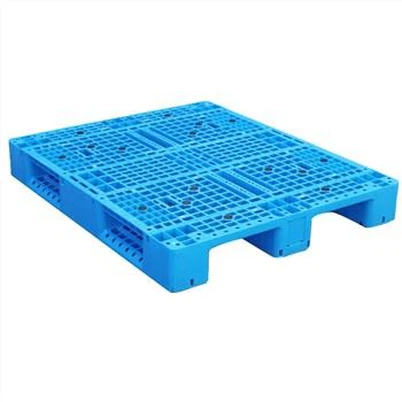
How to clean stackable plastic pallets?
Leave a message

Hey there! I'm a supplier of stackable plastic pallets, and I know that keeping these pallets clean is super important. Not only does it make them look good, but it also extends their lifespan and ensures the safety of the goods they carry. In this blog, I'll share some practical tips on how to clean stackable plastic pallets effectively.
Why Clean Stackable Plastic Pallets?
Before we dive into the cleaning process, let's talk about why it's necessary to clean these pallets. Stackable plastic pallets are used in various industries, such as food, pharmaceuticals, and logistics. They come into contact with different types of goods, some of which may leave behind residues, dirt, or even bacteria.
Cleaning the pallets regularly helps prevent the spread of contaminants. For example, in the food industry, any food residues left on the pallets can attract pests and lead to food spoilage. In the pharmaceutical industry, cleanliness is crucial to maintain the integrity of the products. Moreover, clean pallets are more likely to meet industry standards and regulations, which is essential for businesses.
Tools and Materials You'll Need
To clean stackable plastic pallets, you'll need a few basic tools and materials. Here's a list to get you started:
- Pressure washer: This is a great tool for removing stubborn dirt and debris. It can save you a lot of time and effort compared to manual scrubbing.
- Soft-bristled brush: A soft-bristled brush is useful for scrubbing hard-to-reach areas and delicate parts of the pallets without scratching the plastic surface.
- Mild detergent: Choose a mild detergent that is suitable for plastic surfaces. Avoid using harsh chemicals that can damage the pallets.
- Bucket: You'll need a bucket to mix the detergent with water.
- Gloves: Protect your hands from the cleaning solution and any sharp edges on the pallets.
- Rags or towels: These are handy for drying the pallets after cleaning.
Step-by-Step Cleaning Process
Now that you have all the necessary tools and materials, let's go through the step-by-step cleaning process:
Step 1: Remove Loose Debris
Start by removing any loose debris, such as dirt, dust, or packaging materials, from the pallets. You can use a broom or a blower to do this. This step makes the subsequent cleaning process more effective.
Step 2: Prepare the Cleaning Solution
Fill a bucket with warm water and add a small amount of mild detergent. Mix the solution well until it forms a soapy mixture.
Step 3: Scrub the Pallets
Dip the soft-bristled brush into the cleaning solution and start scrubbing the pallets. Pay special attention to areas with stains or stubborn dirt. You can use a circular motion to loosen the dirt. For larger areas, you can also use a pressure washer on a low setting to speed up the process. However, be careful not to use too much pressure, as it can damage the pallets.
Step 4: Rinse the Pallets
After scrubbing, rinse the pallets thoroughly with clean water. You can use a hose or a pressure washer on a rinse setting. Make sure to remove all the soap residue from the pallets.
Step 5: Dry the Pallets
Use rags or towels to dry the pallets. You can also let them air dry in a well-ventilated area. Make sure the pallets are completely dry before stacking them or using them again.
Special Considerations for Different Industries
Depending on the industry you're in, there may be some special considerations when cleaning stackable plastic pallets.
Food Industry
In the food industry, it's essential to use food-grade cleaning agents. These agents are safe for use around food products and won't contaminate the goods. Additionally, you may need to clean the pallets more frequently to prevent the growth of bacteria.
For example, if you're using Rice Use Stackable Plastic Pallet, you'll want to make sure that no rice residues are left on the pallets after cleaning. This helps maintain the quality of the rice and prevents spoilage.
Pharmaceutical Industry
The pharmaceutical industry has strict cleanliness requirements. You may need to follow specific cleaning protocols and use disinfectants to ensure that the pallets are free from any contaminants.


For instance, if you're using Flour Mill Use Stackable Plastic Pallet in a pharmaceutical facility, you'll need to pay extra attention to the corners and crevices of the pallets to remove any flour particles.
Logistics Industry
In the logistics industry, pallets are often exposed to various environments and conditions. They may get dirty from mud, oil, or other substances. In this case, you may need to use a stronger cleaning solution or a more powerful pressure washer to remove the stubborn stains.
For example, if you're using 4-way Double Faced Plastic Pallet in a busy warehouse, you'll need to clean them regularly to keep them in good condition.
Tips for Maintaining Clean Pallets
Here are some tips to help you maintain clean stackable plastic pallets:
- Store pallets properly: When not in use, store the pallets in a clean and dry area. This helps prevent them from getting dirty or damaged.
- Inspect pallets regularly: Check the pallets for any signs of damage or wear. Replace any damaged pallets to ensure the safety of the goods.
- Train your staff: Make sure your staff knows how to clean and handle the pallets properly. This can help prevent unnecessary damage and ensure that the pallets are cleaned effectively.
Conclusion
Cleaning stackable plastic pallets is an important task that can help extend their lifespan, ensure the safety of the goods, and meet industry standards. By following the steps and tips outlined in this blog, you can keep your pallets clean and in good condition.
If you're in the market for high-quality stackable plastic pallets or have any questions about cleaning and maintenance, don't hesitate to reach out. We're here to help you find the right solutions for your business. Let's start a conversation and see how we can work together!
References
- "Plastic Pallet Cleaning and Maintenance Guide" - Industry Standard Publications
- "Best Practices for Cleaning Pallets in Different Industries" - Logistics and Supply Chain Journal