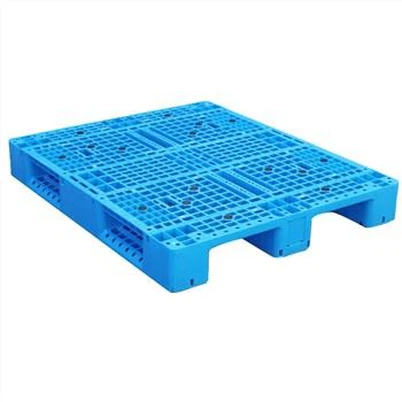
How to prevent damage to 9 Legs Export Pallets during use?
Leave a message

As a supplier of 9 Legs Export Pallets, I understand the importance of ensuring these pallets remain in good condition during use. These pallets are essential for the efficient and safe transportation of goods across borders, and any damage can lead to significant losses, both in terms of product and time. In this blog, I will share some practical tips on how to prevent damage to 9 Legs Export Pallets during use.
Understanding the Structure and Design of 9 Legs Export Pallets
Before we delve into prevention strategies, it's crucial to understand the structure and design of 9 Legs Export Pallets. These pallets typically have nine legs, which provide stable support and allow for easy handling with forklifts or pallet jacks. They are designed to withstand the rigors of international shipping, including stacking, loading, and unloading.
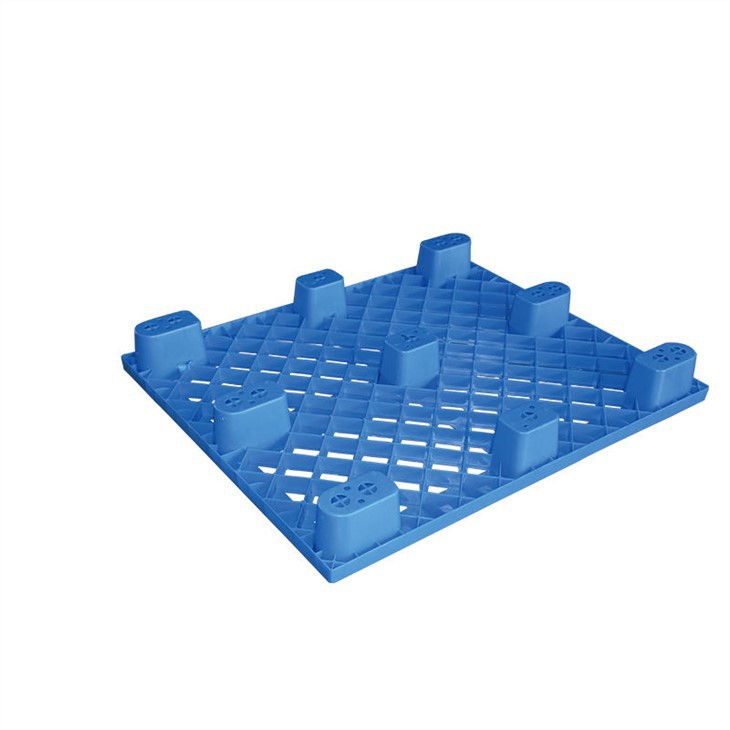

The materials used in 9 Legs Export Pallets also play a significant role in their durability. Common materials include wood, plastic, and metal. Each material has its own advantages and disadvantages, and understanding these can help you choose the right pallet for your needs and take appropriate measures to prevent damage.
Proper Loading and Unloading Techniques
One of the primary causes of damage to 9 Legs Export Pallets is improper loading and unloading. Overloading a pallet can cause the legs to break or the deck to warp, while uneven loading can lead to stress concentrations and premature failure.
- Distribute the Load Evenly: When loading goods onto a pallet, make sure the weight is evenly distributed across the deck. Avoid placing all the weight on one side or corner of the pallet. Use a forklift or pallet jack to position the goods carefully and ensure they are centered.
- Do Not Exceed the Weight Capacity: Each 9 Legs Export Pallet has a maximum weight capacity, which is usually indicated on the pallet itself. Make sure you do not exceed this capacity, as overloading can cause irreversible damage to the pallet.
- Use the Right Equipment: When loading and unloading pallets, use the appropriate equipment, such as forklifts or pallet jacks. Make sure the forks or blades of the equipment are the correct size and shape for the pallet, and avoid hitting the pallet with the equipment.
Storage and Handling
Proper storage and handling of 9 Legs Export Pallets can also help prevent damage. Pallets should be stored in a dry, clean, and well-ventilated area, away from direct sunlight and extreme temperatures.
- Stack Pallets Correctly: When stacking pallets, make sure they are aligned properly and the weight is evenly distributed. Do not stack pallets too high, as this can cause the bottom pallets to collapse. Use pallet racks or stacking frames to support the pallets and prevent them from tipping over.
- Protect Pallets from Moisture: Moisture can cause wood pallets to rot and plastic pallets to become brittle. To prevent moisture damage, store pallets on a raised surface or use a moisture barrier, such as a plastic sheet. If pallets get wet, dry them thoroughly before using them again.
- Inspect Pallets Regularly: Regular inspections can help you identify any signs of damage or wear and tear early on. Check the legs, deck, and joints of the pallets for cracks, splinters, or other damage. If you find any damaged pallets, remove them from service immediately and replace them with new ones.
Training and Education
Proper training and education of your employees can also help prevent damage to 9 Legs Export Pallets. Make sure your employees are aware of the importance of using the pallets correctly and following the proper loading, unloading, storage, and handling procedures.
- Provide Training: Offer training programs for your employees on how to use 9 Legs Export Pallets safely and effectively. Include topics such as proper loading and unloading techniques, storage and handling procedures, and how to identify and report damaged pallets.
- Encourage Reporting: Encourage your employees to report any damaged pallets or safety concerns immediately. This can help you address the issues quickly and prevent further damage or accidents.
- Set Clear Policies and Procedures: Establish clear policies and procedures for the use of 9 Legs Export Pallets in your workplace. Make sure your employees are aware of these policies and procedures and enforce them consistently.
Choosing the Right Pallet
Choosing the right 9 Legs Export Pallet for your needs can also help prevent damage. Consider the following factors when selecting a pallet:
- Material: As mentioned earlier, the material of the pallet can affect its durability and performance. Wood pallets are strong and inexpensive, but they are also prone to rot and damage from moisture. Plastic pallets are lightweight, durable, and resistant to moisture and chemicals, but they can be more expensive. Metal pallets are the strongest and most durable, but they are also the heaviest and most expensive.
- Size and Capacity: Make sure the pallet you choose is the right size and capacity for your needs. Consider the size and weight of the goods you will be transporting, as well as the type of equipment you will be using to handle the pallets.
- Design: The design of the pallet can also affect its performance and durability. Look for pallets with features such as reinforced legs, non-slip surfaces, and easy-to-clean designs.
Additional Tips
In addition to the above tips, here are some additional tips to help prevent damage to 9 Legs Export Pallets:
- Use Pallet Protectors: Pallet protectors, such as corner guards and edge protectors, can help prevent damage to the edges and corners of the pallets. These protectors can be made of plastic, rubber, or metal and can be easily attached to the pallets.
- Avoid Rough Handling: Avoid dropping, throwing, or dragging the pallets, as this can cause damage to the legs, deck, or joints. Use gentle handling techniques when moving the pallets.
- Clean Pallets Regularly: Regular cleaning of the pallets can help prevent the buildup of dirt, debris, and moisture, which can cause damage over time. Use a mild detergent and water to clean the pallets, and make sure they are completely dry before using them again.
Conclusion
Preventing damage to 9 Legs Export Pallets during use is essential for ensuring the efficient and safe transportation of goods across borders. By following the tips outlined in this blog, you can minimize the risk of damage to your pallets and extend their lifespan.
If you are in the market for high-quality 9 Legs Export Pallets, we are here to help. We offer a wide range of pallets, including Nestable Plastic Pallets, Export Recycled Black Plastic Pallets, and Nestable Perforated Large Plastic Pallet. Our pallets are made from high-quality materials and are designed to meet the highest standards of quality and durability.
If you have any questions or would like to learn more about our products, please do not hesitate to contact us. We look forward to the opportunity to discuss your pallet needs and provide you with the best solutions.
References
- Smith, J. (2020). Pallet Handling Best Practices. Logistics Today.
- Johnson, A. (2019). The Importance of Pallet Maintenance. Supply Chain Management Review.
- Brown, B. (2018). Choosing the Right Pallet for Your Business. Industrial Packaging Magazine.