How to maintain plastic pallets?
Leave a message

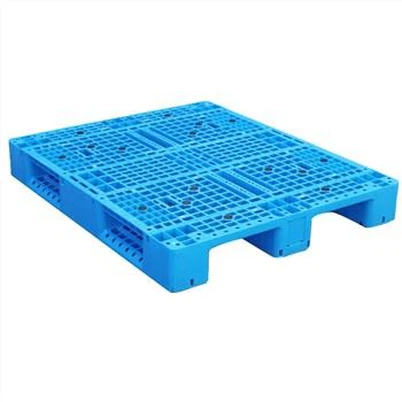
As a supplier of plastic pallets, I understand the importance of maintaining these essential tools in the supply chain. Plastic pallets offer numerous advantages over their wooden counterparts, such as durability, hygiene, and recyclability. However, like any other equipment, they require proper care and maintenance to ensure a long service life and optimal performance. In this blog post, I will share some practical tips on how to maintain plastic pallets effectively.
Regular Cleaning
One of the most fundamental steps in maintaining plastic pallets is regular cleaning. Over time, pallets can accumulate dirt, debris, and even chemicals, which can not only affect their appearance but also compromise their structural integrity. To clean plastic pallets, you can use a mild detergent and warm water. Avoid using harsh chemicals or abrasive cleaners, as they can damage the plastic surface.
Start by removing any loose debris from the pallets using a broom or a vacuum cleaner. Then, apply the detergent solution to the pallets using a sponge or a soft brush. Scrub the pallets gently to remove any stubborn stains or dirt. Rinse the pallets thoroughly with clean water to remove any remaining detergent. Allow the pallets to dry completely before using them again.
Regular cleaning not only keeps the pallets looking clean and professional but also helps prevent the growth of bacteria and mold, which is especially important in industries such as food and pharmaceuticals.
Inspection for Damage
Regular inspection is another crucial aspect of plastic pallet maintenance. Inspect the pallets before and after each use to check for any signs of damage, such as cracks, breaks, or warping. Even minor damage can weaken the pallet's structure and increase the risk of failure during use.

If you notice any damage, it's important to take immediate action. Minor damage can often be repaired using a plastic welding kit or a suitable adhesive. However, if the damage is severe, it may be necessary to replace the pallet to avoid any safety hazards.
In addition to visual inspection, you can also perform a load test on the pallets periodically to ensure they can still support the intended weight. Overloading a pallet can cause it to break or deform, so it's important to follow the manufacturer's recommended weight limits.
Proper Storage
Proper storage is essential for maintaining the quality and longevity of plastic pallets. When not in use, store the pallets in a dry, clean, and well-ventilated area. Avoid exposing the pallets to direct sunlight, extreme temperatures, or harsh chemicals, as these can cause the plastic to degrade over time.
Stack the pallets carefully to prevent them from tipping over or getting damaged. Make sure the pallets are evenly distributed and supported to avoid excessive stress on any one part of the pallet. If possible, use pallet racks or storage systems designed specifically for plastic pallets to keep them organized and protected.
When stacking pallets, be mindful of the weight limits and stacking height. Overstacking can cause the pallets at the bottom to become crushed or deformed, reducing their lifespan.
Handling and Usage
Proper handling and usage are also important factors in plastic pallet maintenance. Train your employees on the correct way to handle and use the pallets to prevent unnecessary damage.
When moving pallets, use appropriate equipment such as forklifts or pallet jacks. Make sure the forks are properly aligned and inserted into the pallet's pockets to avoid damaging the pallet. Avoid dragging or dropping the pallets, as this can cause cracks or breaks.
In addition, be careful when loading and unloading the pallets. Distribute the weight evenly across the pallet to prevent overloading and ensure stability. Avoid placing sharp or heavy objects directly on the pallet, as this can puncture or damage the plastic surface.
Specific Maintenance for Different Types of Plastic Pallets
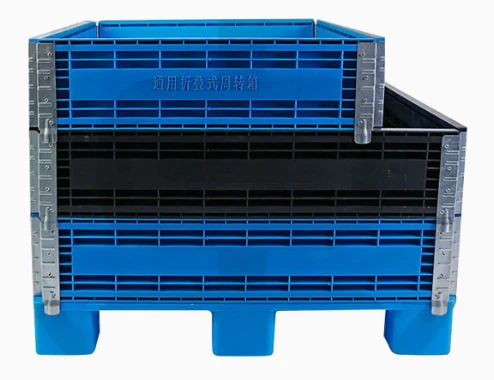
Different types of plastic pallets may require specific maintenance procedures. For example, Stackable Collapsible Pack Plastic Pallet Collars are designed to be stackable and collapsible, which makes them convenient for storage and transportation. However, they may require more careful handling to prevent damage to the collapsible parts.
Lightweight Four Way Jumbo Bag Pallet are designed for use with jumbo bags and are typically lightweight and easy to handle. However, they may be more susceptible to damage if overloaded or mishandled.
Heavy Duty Deck Rack Plastic Pallet are designed to withstand heavy loads and are commonly used in industrial applications. These pallets may require more frequent inspection and maintenance to ensure they can continue to support the heavy loads safely.
Recycling and Disposal
When plastic pallets reach the end of their useful life, it's important to recycle or dispose of them properly. Plastic pallets are typically made from recyclable materials, so recycling is the most environmentally friendly option.
Contact your local recycling facility to find out if they accept plastic pallets. Some recycling facilities may require you to prepare the pallets for recycling by removing any non-plastic components or separating different types of plastic.
If recycling is not an option, dispose of the pallets in accordance with local regulations. Avoid dumping the pallets in landfills or other unauthorized areas, as this can have a negative impact on the environment.
Conclusion
Maintaining plastic pallets is essential for ensuring their long service life and optimal performance. By following these tips on regular cleaning, inspection, proper storage, handling, and usage, you can keep your plastic pallets in good condition and avoid costly replacements.
If you have any questions or need further advice on plastic pallet maintenance, or if you're interested in purchasing high-quality plastic pallets for your business, please don't hesitate to contact us. We're here to help you find the right solutions for your specific needs.
References
- "Plastic Pallet Maintenance Guide," Plastic Pallet Manufacturers Association.
- "Best Practices for Handling and Maintaining Plastic Pallets," Logistics Management Magazine.