How to optimize the use of HDPE welded plastic pallets in a warehouse?
Leave a message

Hey there! As a supplier of HDPE welded plastic pallets, I've seen firsthand how these pallets can revolutionize warehouse operations. In this blog, I'll share some tips on how to optimize the use of HDPE welded plastic pallets in your warehouse.
Understanding HDPE Welded Plastic Pallets
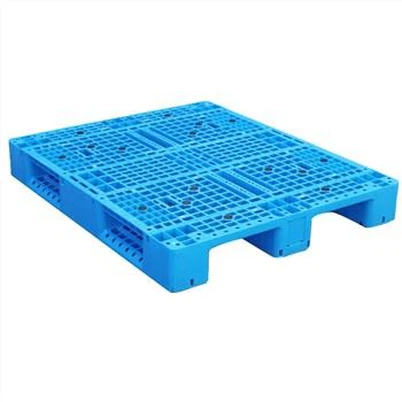
First off, let's talk a bit about what HDPE welded plastic pallets are. HDPE, or High - Density Polyethylene, is a strong and durable plastic material. Welded plastic pallets are made by fusing HDPE pieces together, creating a solid and reliable structure.
These pallets have a bunch of advantages over traditional wooden pallets. They're lightweight, which makes them easier to handle. They're also resistant to moisture, chemicals, and pests. This means they won't rot or get infested like wooden pallets can. And they're more hygienic, which is great for industries like food and pharmaceuticals.
Layout and Organization
One of the first steps to optimizing the use of HDPE welded plastic pallets in your warehouse is getting your layout right. You need to think about how you're going to store and move these pallets.
Rack Configuration
If you're using racks to store your pallets, make sure you choose the right type of pallets for your rack system. For example, the Heavy Duty Hdpe Rackable Plastic Pallet is designed specifically for rack storage. It has a strong structure that can support heavy loads when placed on racks.
When setting up your racks, arrange them in a way that allows for easy access to the pallets. You don't want to have to move a bunch of pallets just to get to one in the back. Use a first - in, first - out (FIFO) or last - in, first - out (LIFO) system depending on your inventory management needs.
Aisle Width
The width of your aisles is also crucial. You need to make sure there's enough space for your forklifts or other material handling equipment to move freely between the racks. If the aisles are too narrow, it can slow down your operations and increase the risk of accidents. But if they're too wide, you're wasting valuable warehouse space. Measure the size of your forklifts and add a bit of extra room for maneuvering.
Loading and Stacking
Proper loading and stacking of HDPE welded plastic pallets is essential for both safety and efficiency.
Load Distribution
When loading your pallets, distribute the weight evenly across the surface. Uneven loading can cause the pallet to tip over or get damaged. If you're stacking boxes or products on the pallet, make sure they're arranged in a stable way. For example, you can stack them in a pyramid shape or use interlocking patterns.
Stacking Height
Don't stack your pallets too high. Each type of HDPE welded plastic pallet has a maximum stacking height that it can safely support. Exceeding this height can lead to pallet failure and potential damage to your products. If you need to stack pallets higher, consider using pallets like the Double Sides Euro Hdpe Reversible Plastic Pallet, which are designed for stable stacking.


Material Handling Equipment
Using the right material handling equipment can make a big difference in how efficiently you use HDPE welded plastic pallets.
Forklifts
Forklifts are one of the most common pieces of equipment used to move pallets. Make sure your forklift operators are trained to handle HDPE welded plastic pallets properly. They should know how to insert the forks correctly into the pallet's openings without causing damage. Also, use forklifts with the right capacity for the weight of the pallets and their loads.
Pallet Jacks
Pallet jacks are another useful tool for moving pallets within the warehouse. They're more maneuverable than forklifts in some situations, especially in narrow aisles. Just like with forklifts, make sure the pallet jack is used correctly to avoid damaging the pallets.
Maintenance and Inspection
Regular maintenance and inspection of your HDPE welded plastic pallets can extend their lifespan and keep your operations running smoothly.
Cleaning
Clean your pallets regularly to remove dirt, debris, and any chemicals that might have come into contact with them. You can use a mild detergent and water to clean the pallets. Avoid using harsh chemicals that could damage the HDPE material.
Inspection
Inspect your pallets for any signs of damage, such as cracks, breaks, or worn - out areas. If you find a damaged pallet, remove it from service immediately. You can either repair the pallet if possible or replace it with a new one. A damaged pallet can be a safety hazard and can also cause problems with your material handling equipment.
Inventory Management
Integrating your HDPE welded plastic pallets into your inventory management system can help you keep track of your stock more effectively.
Barcoding or RFID
Use barcoding or RFID (Radio - Frequency Identification) technology to label your pallets. This allows you to easily track the movement of pallets within the warehouse and know exactly what's on each pallet. You can use a handheld scanner or a fixed - position scanner to read the barcodes or RFID tags.
Software Integration
Integrate your pallet tracking system with your inventory management software. This way, you can get real - time information about your inventory levels, the location of pallets, and when new pallets need to be ordered.
Cost - Benefit Analysis
When optimizing the use of HDPE welded plastic pallets, it's important to consider the cost - benefit ratio.
Initial Cost
HDPE welded plastic pallets may have a higher initial cost compared to wooden pallets. However, you need to look at the long - term benefits. They last longer, require less maintenance, and can improve your overall warehouse efficiency.
Return on Investment
Calculate the return on investment (ROI) for using HDPE welded plastic pallets. Consider factors like reduced damage to products, lower maintenance costs, and increased productivity. In most cases, the long - term savings and benefits outweigh the initial investment.
Conclusion
Optimizing the use of HDPE welded plastic pallets in your warehouse involves a combination of proper layout, loading, material handling, maintenance, and inventory management. By following these tips, you can make the most of these pallets and improve the efficiency and safety of your warehouse operations.
If you're interested in learning more about our HDPE welded plastic pallets or are looking to place an order, feel free to reach out. We're here to help you find the best solutions for your warehouse needs.
References
- "Warehouse Design and Management Best Practices" by industry experts
- Research studies on the performance and durability of HDPE materials in industrial applications
- Manufacturer's guidelines for HDPE welded plastic pallets