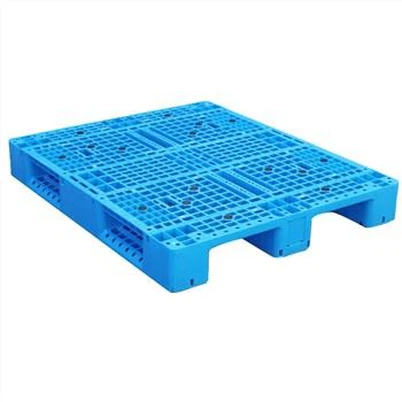
Steel-Reinforced vs Non-Reinforced Pallets: Load Comparison
Leave a message

Hey there! As a supplier of plastic pallets, I've seen firsthand the debate between steel-reinforced and non-reinforced pallets when it comes to load capacity. It's a topic that's super important for anyone in the shipping and logistics game, so I thought I'd share my thoughts and experiences.
Let's start with the basics. Steel-reinforced pallets, as the name suggests, have steel components integrated into the plastic structure. This reinforcement gives them an edge when it comes to handling heavy loads. On the other hand, non-reinforced pallets are made purely of plastic, which makes them lighter and often more cost - effective.
Load Capacity: The Numbers Game
When it comes to load capacity, steel - reinforced pallets are the heavyweights. They can typically handle much higher static and dynamic loads compared to non - reinforced pallets. Static load refers to the weight a pallet can support when it's stationary, like when it's sitting in a warehouse. Dynamic load, on the other hand, is the weight it can handle while in motion, such as during transportation.
Steel - reinforced pallets can often support static loads of up to several tons. For example, some heavy - duty steel - reinforced plastic pallets can handle static loads of 5 - 6 tons or more. This makes them ideal for industries that deal with large, heavy items like machinery parts or bulk chemicals.
Non - reinforced pallets, while still useful, have a lower load capacity. They're great for lighter items and smaller loads. A standard non - reinforced plastic pallet might have a static load capacity of around 4 tons. This is perfectly sufficient for many applications, such as shipping consumer goods, food products, or small electronic items.
Advantages of Steel - Reinforced Pallets
One of the biggest advantages of steel - reinforced pallets is their durability. The steel reinforcement adds strength and rigidity to the pallet, making it less likely to break or deform under heavy loads. This means they can be used multiple times without significant wear and tear, which can save money in the long run.
Another benefit is their resistance to impact. In a busy warehouse or during transportation, pallets can get bumped around. Steel - reinforced pallets are better able to withstand these impacts, reducing the risk of damage to the pallet and the goods it's carrying.
Advantages of Non - Reinforced Pallets
Non - reinforced pallets have their own set of advantages. First and foremost, they're lighter. This means they're easier to handle, which can save on labor costs. They're also more cost-effective to produce, so they're a great option for businesses on a budget.
Non - reinforced pallets are also more environmentally friendly. Since they're made entirely of plastic, they can be recycled more easily than steel - reinforced pallets. This is an important consideration for companies that are looking to reduce their carbon footprint.
Real - World Applications
Let's look at some real - world scenarios to see how these pallets stack up. If you're in the automotive industry, you're likely dealing with heavy engine parts and large components. Steel - reinforced pallets are the way to go here. They can handle the weight and the rough handling that comes with moving these parts around the factory and during shipping.
On the other hand, if you're in the food industry, non - reinforced pallets might be a better choice. They're lightweight, easy to clean, and can handle the relatively lighter loads of food products. Plus, they're often more hygienic, which is crucial in the food industry.
Making the Right Choice
When it comes to choosing between steel - reinforced and non - reinforced pallets, it really depends on your specific needs. Consider the weight of the items you'll be shipping, how often the pallets will be used, and your budget.
If you're shipping heavy, bulky items and need a pallet that can withstand a lot of wear and tear, steel - reinforced pallets are the obvious choice. But if you're dealing with lighter loads and want to save on costs, non - reinforced pallets are a great option.
Our Plastic Pallets Offerings
As a plastic pallets supplier, we offer a wide range of options to suit different needs. Whether you're looking for plastic pallets for shipping, Lightweight Nestable Plastic Export Pallets, or Nestable Plastic Pallet Solid, we've got you covered.

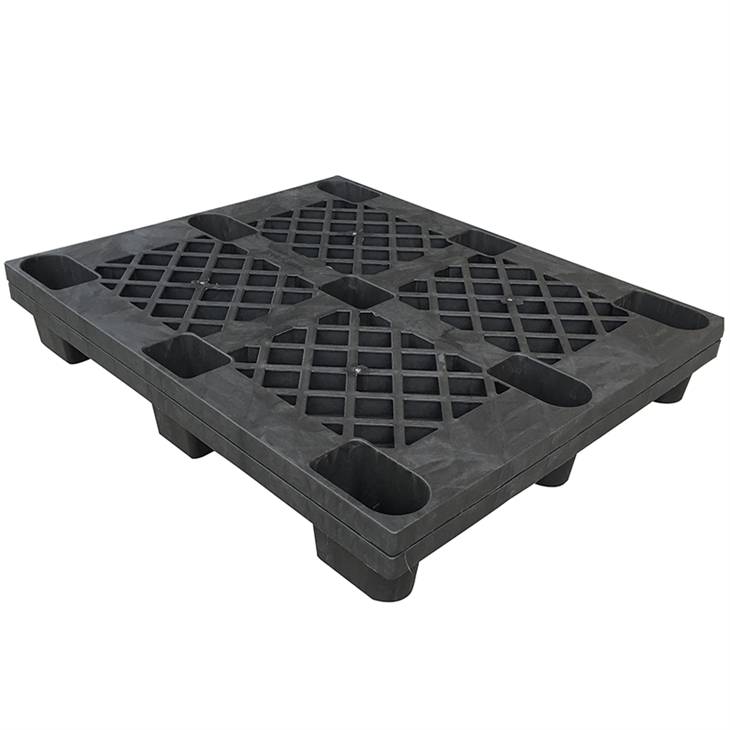
Our steel - reinforced pallets are built to last, with high - quality steel components that ensure maximum load capacity and durability. Our non - reinforced pallets are lightweight, cost - effective, and perfect for lighter loads.
Contact Us for a Quote
If you're interested in learning more about our plastic pallets or need help choosing the right type for your business, don't hesitate to reach out. We're here to answer all your questions and provide you with a quote. Whether you're a small business or a large corporation, we can find the perfect pallet solution for you.
References
- "Pallet Design and Engineering Handbook" by the Material Handling Industry of America
- Industry reports on plastic pallet usage and load capacity from various logistics research firms.