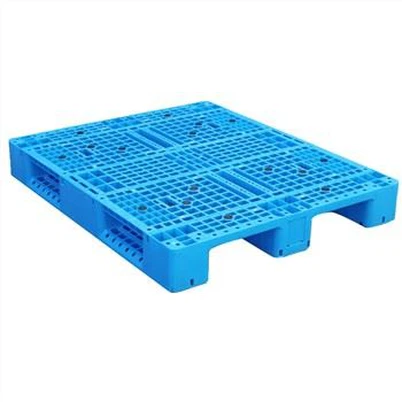
What is the average thickness of perforated plastic pallets?
Leave a message

What is the average thickness of perforated plastic pallets?
Perforated plastic pallets have become an essential component in various industries, offering a versatile and efficient solution for material handling and storage. As a supplier of perforated plastic pallets, I often receive inquiries about their average thickness. In this blog post, I will delve into the factors that influence the thickness of perforated plastic pallets, discuss the typical ranges, and highlight the importance of choosing the right thickness for your specific needs.
Factors Influencing the Thickness of Perforated Plastic Pallets
The thickness of perforated plastic pallets is determined by several key factors, each playing a crucial role in the pallet's performance and suitability for different applications. Understanding these factors can help you make an informed decision when selecting the appropriate pallet for your business.
-
Load Capacity
One of the primary factors influencing the thickness of a perforated plastic pallet is its intended load capacity. Pallets designed to carry heavier loads typically require greater thickness to ensure structural integrity and prevent deformation. For example, pallets used in heavy industries such as automotive or manufacturing may need to support loads of several thousand pounds, necessitating a thicker and more robust design. -
Material Composition
The type of plastic used in the manufacturing of the pallet also affects its thickness. Different plastics have varying physical properties, including strength, durability, and flexibility. High-density polyethylene (HDPE) and polypropylene (PP) are commonly used materials for perforated plastic pallets due to their excellent strength-to-weight ratio. Pallets made from these materials may have different thickness requirements based on the specific grade and formulation of the plastic. -
Application Environment
The environment in which the pallet will be used is another important consideration. Pallets used in outdoor or harsh industrial settings may require additional thickness to withstand exposure to moisture, chemicals, and temperature variations. On the other hand, pallets used in cleanroom or indoor environments may not need to be as thick, as they are less likely to encounter extreme conditions. -
Design and Configuration
The design and configuration of the pallet, including the shape, size, and number of perforations, can also impact its thickness. Pallets with more complex designs or a higher density of perforations may require additional thickness to maintain their structural integrity. Additionally, pallets with integrated features such as stacking legs or reinforced edges may need to be thicker to support these added elements.
Typical Thickness Ranges for Perforated Plastic Pallets
The average thickness of perforated plastic pallets can vary widely depending on the factors mentioned above. However, in general, the thickness of these pallets typically ranges from 1.5 inches to 3 inches. Here is a breakdown of the typical thickness ranges based on different load capacities and applications:

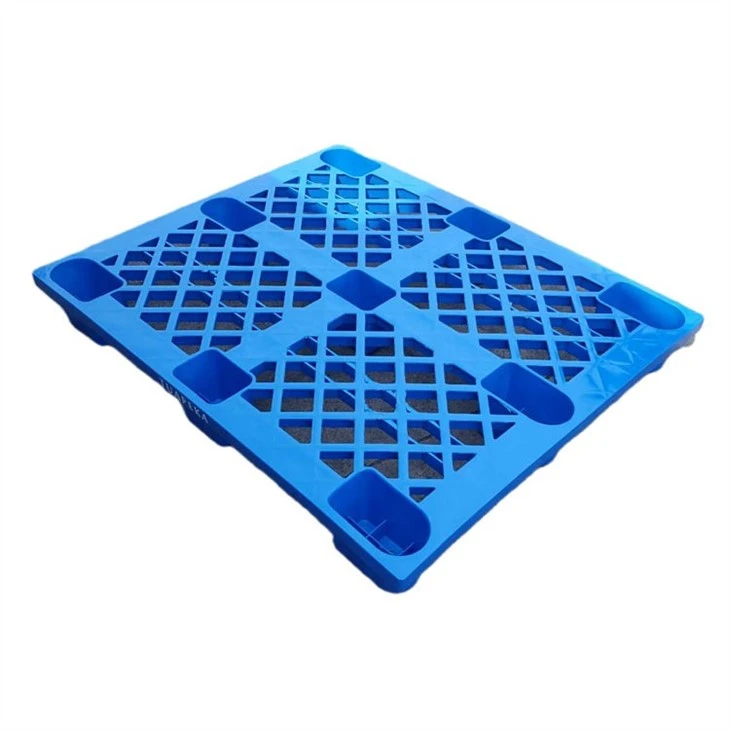
-
Light-Duty Pallets
Light-duty perforated plastic pallets are commonly used for applications such as retail, food and beverage, or pharmaceutical industries. These pallets typically have a load capacity of up to 1,000 pounds and a thickness ranging from 1.5 inches to 2 inches. They are lightweight, easy to handle, and suitable for use in environments where space is limited. -
Medium-Duty Pallets
Medium-duty pallets are designed to handle moderate loads and are often used in industries such as electronics, logistics, or warehousing. These pallets have a load capacity of up to 2,500 pounds and a thickness ranging from 2 inches to 2.5 inches. They offer a good balance between strength and weight, making them a popular choice for a wide range of applications. -
Heavy-Duty Pallets
Heavy-duty perforated plastic pallets are used in industries where high load capacities are required, such as automotive, construction, or heavy machinery. These pallets can support loads of up to 5,000 pounds or more and have a thickness ranging from 2.5 inches to 3 inches. They are built to withstand the rigors of heavy use and provide long-lasting performance.
Importance of Choosing the Right Thickness
Selecting the appropriate thickness for your perforated plastic pallets is crucial for ensuring optimal performance and safety in your material handling operations. Here are some reasons why choosing the right thickness is important:
-
Load Capacity
The thickness of the pallet directly affects its load capacity. Choosing a pallet with insufficient thickness for your intended load can result in deformation, breakage, and potential safety hazards. On the other hand, using a pallet that is too thick may be unnecessary and add unnecessary cost to your operation. -
Durability and Longevity
A thicker pallet is generally more durable and has a longer lifespan than a thinner one. By choosing a pallet with the appropriate thickness, you can reduce the frequency of pallet replacements and minimize downtime due to pallet failure. This can result in significant cost savings over the long term. -
Compatibility with Handling Equipment
The thickness of the pallet can also affect its compatibility with handling equipment such as forklifts or pallet jacks. Pallets that are too thick may not fit properly on certain types of equipment, while pallets that are too thin may not provide enough support for the equipment's forks. Ensuring that the pallet thickness is compatible with your handling equipment is essential for efficient and safe material handling. -
Compliance with Industry Standards
In some industries, there are specific standards and regulations regarding the design and performance of pallets. Choosing a pallet with the appropriate thickness can help ensure compliance with these standards and avoid potential legal issues.
Our Product Offerings
As a leading supplier of perforated plastic pallets, we offer a wide range of products to meet the diverse needs of our customers. Our pallets are available in various thicknesses, load capacities, and designs to suit different applications and industries. Whether you need a light-duty pallet for retail use or a heavy-duty pallet for industrial applications, we have the right solution for you.
Some of our popular product lines include Exportación De Palets De Plástico, Palets De Exportación De Un Solo Sentido, and Palet De Exportación De Peso Ligero. These pallets are designed to meet the highest standards of quality and performance, and they are backed by our commitment to customer satisfaction.
Contact Us for Procurement and Negotiation
If you are interested in learning more about our perforated plastic pallets or would like to discuss your specific requirements, please do not hesitate to contact us. Our team of experts is available to provide you with detailed information, answer your questions, and assist you in selecting the right pallet for your needs.
We understand that every business is unique, and we are committed to working with you to find the best solution for your material handling challenges. Whether you need a small quantity of pallets for a one-time project or a large volume for ongoing operations, we can provide you with competitive pricing and reliable delivery.
To get started, simply reach out to us via our website or contact our sales team directly. We look forward to the opportunity to serve you and help you improve your material handling efficiency with our high-quality perforated plastic pallets.
References
- "Plastic Pallets: A Comprehensive Guide." Material Handling Industry of America.
- "Perforated Plastic Pallets: Design and Application Considerations." Journal of Materials Handling and Logistics.
- "Factors Affecting the Performance of Plastic Pallets." International Journal of Industrial Engineering.