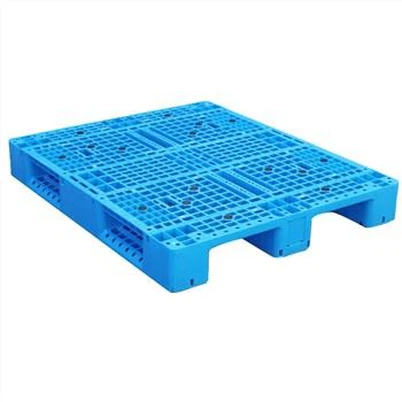
What is the hardness of single face plastic pallets?
Leave a message

Hey there! As a supplier of single face plastic pallets, I often get asked about the hardness of these pallets. So, I thought I'd take a few minutes to break it down for you.
First off, let's talk about what hardness means in the context of plastic pallets. Hardness is a measure of how resistant a material is to deformation, scratching, or indentation. In the case of single face plastic pallets, hardness plays a crucial role in determining their durability and performance in various applications.
The hardness of single face plastic pallets can vary depending on several factors, including the type of plastic used, the manufacturing process, and the design of the pallet. Most single face plastic pallets are made from high - density polyethylene (HDPE) or polypropylene (PP). These plastics are known for their excellent strength - to - weight ratio and resistance to chemicals, moisture, and impact.
HDPE is a popular choice for plastic pallets because it offers a good balance of hardness and flexibility. It has a relatively high density, which gives it a certain level of stiffness and resistance to wear and tear. HDPE pallets can withstand heavy loads and are suitable for use in demanding industrial environments. For example, our Heavy Duty 1000 X 1200 Euro Pallet is made from high - quality HDPE, providing a great combination of hardness and load - bearing capacity.
Polypropylene, on the other hand, is a bit lighter and more flexible than HDPE. It has a lower density, which makes it more impact - resistant in some cases. PP pallets are often used in applications where weight is a concern or where a more flexible pallet is needed. Our 6 Runners Plastic Pallet made from PP offers a good level of hardness while being relatively lightweight.
The manufacturing process also has a significant impact on the hardness of single face plastic pallets. Injection molding is one of the most common methods used to produce plastic pallets. In this process, molten plastic is injected into a mold under high pressure. The pressure and cooling rate during injection molding can affect the density and hardness of the final product. Well - made injection - molded pallets tend to have a more uniform hardness throughout the pallet, which ensures consistent performance.
Another factor to consider is the design of the pallet. Pallets with a full perimeter base, like our Full Perimeter Base Plastic Pallets, generally have better hardness and stability. The full perimeter base provides additional support and distributes the load more evenly across the pallet, reducing the risk of deformation.
Now, let's talk about why the hardness of single face plastic pallets matters. In a warehouse or distribution center, pallets are constantly being moved, stacked, and loaded with goods. A hard and durable pallet can withstand the rigors of daily use without cracking, breaking, or deforming. This means fewer replacements, lower maintenance costs, and increased efficiency in your operations.
In industries where hygiene is a top priority, such as the food and pharmaceutical industries, hard plastic pallets are essential. They are easy to clean and sanitize, and their smooth surfaces prevent the accumulation of dirt, bacteria, and other contaminants. Hard pallets also resist damage from cleaning chemicals, ensuring a long - lasting and hygienic solution for your storage and transportation needs.
When it comes to transportation, hard pallets can handle the vibrations and shocks associated with shipping. They can maintain their shape and integrity during long - distance travel, reducing the risk of product damage. Whether you're shipping goods by truck, train, or ship, a hard single face plastic pallet can provide the reliability you need.
So, how do you determine the right hardness for your specific application? Well, it depends on several factors. If you're dealing with heavy loads, you'll need a pallet with a higher level of hardness. On the other hand, if weight is a concern or if you need a pallet that can flex slightly without breaking, a less hard but more flexible option might be suitable.
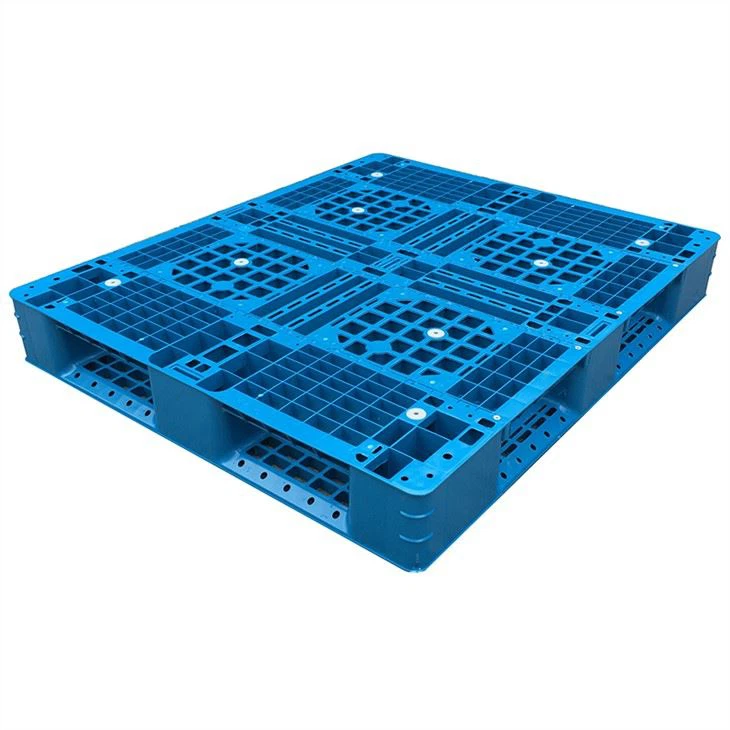

It's also important to consider the environment in which the pallets will be used. If they'll be exposed to extreme temperatures, chemicals, or moisture, you'll need a pallet that can withstand these conditions. Our team of experts can help you choose the right single face plastic pallet based on your specific requirements.
In conclusion, the hardness of single face plastic pallets is a critical factor that affects their performance, durability, and suitability for different applications. Whether you're in the manufacturing, warehousing, or transportation industry, choosing the right pallet with the appropriate hardness can make a big difference in your operations.
If you're interested in learning more about our single face plastic pallets or have any questions about their hardness and suitability for your needs, don't hesitate to reach out. We're here to help you find the perfect pallet solution for your business. Let's start a conversation and see how we can work together to improve your logistics and storage processes.
References
- "Plastic Pallets: Materials and Manufacturing Processes" - Industry Handbook on Packaging Materials
- "The Importance of Pallet Hardness in Logistics" - Journal of Supply Chain Management