Plastic Pallet Load Types Explained: Static, Dynamic, And Racking Weight Limits
Leave a message
Understanding Load Types Is the Key to Choosing the Right Plastic Pallet
In pallet procurement, the first question is often: "How much weight can this pallet hold?" But the real answer isn't a single number. Load capacity depends on how the plastic pallet is used, its structure, and the material it's made of.
There are three main load types for plastic pallets. Static load refers to how much weight a pallet can hold while resting on the floor. It's usually the highest number. Dynamic load is what a pallet can safely carry while being moved by a forklift or conveyor.
Many buyers confuse static load with racking load, which leads to product failures like bending, cracking, or even full collapse on the rack. That's why understanding each load rating in context is essential for safe use.

What Determines Load Performance?
Not all pallets labeled "1000kg" perform the same. Pallet strength is the result of several hidden factors.
Material plays a major role. HDPE is stronger and more flexible than recycled PP, offering better impact resistance and longer fatigue life. It's ideal for cold storage or high-frequency handling.
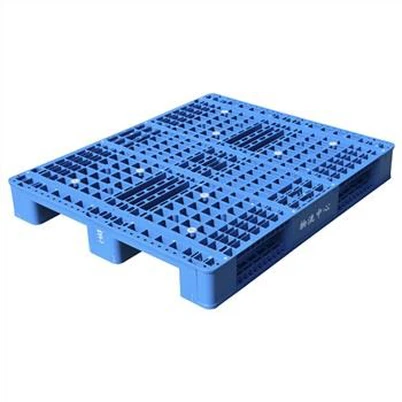
Structure also matters. Is the top deck reinforced? Are there solid runners or hollow legs? How are the support ribs arranged? A stackable pallet with six runners will perform very differently from a nine-leg pallet with no reinforcements.
The manufacturing process adds another layer. Injection-molded plastic pallets are formed in one solid piece, giving them greater strength and accuracy. Blow-molded pallets, while good for liquid containers, may not hold up well under racking load.
Load behavior is just as critical. A pallet loaded evenly performs better than one with a concentrated load or offset weight.
Equipment compatibility should not be ignored. If the pallet doesn't match the rack beam or fork spacing, even a heavy-duty plastic pallet can fail. Also, consider whether the pallet allows four-way entry for forklifts.
Finally, don't forget the pallet weight itself. A standard 1200x1000mm pallet weighs between 13 to 22kg. Lightweight nine-leg pallets are great for export, while heavier rackable models are better for warehouse racking.
There is no universal formula to calculate load capacity. All performance data must come from actual testing and third-party validation, not guesswork.

Different Structures Serve Different Applications
Each pallet structure has its purpose. Understanding the differences helps avoid costly mistakes.
Rackable plastic pallets: Designed with central support or steel reinforcements, they hold 1000–1500kg safely on racks. Ideal for factories and long-term storage.
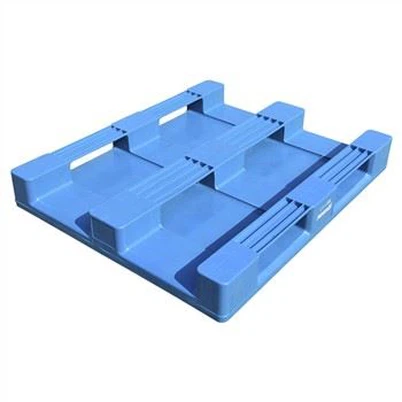
Stackable pallets: With solid feet or runners, they allow safe stacking. Suitable for warehouse transit, cross-docking, or mixed-use areas.
Double-face pallets: Reversible and balanced in design, ideal for handling heavy loads and achieving symmetrical stacking.
Nine-leg pallets: Lightweight and low-cost, best for export or light-duty use. Not suitable for racks.
Our facility offers a wide range of pallet molds and structures. We also support customized plastic pallet design based on your cargo type and handling methods.

Plastic Pallets vs. Wood: It's Not Just About Numbers
Some wood pallets claim load ratings up to 3000kg, but that's under ideal static conditions. In the real world-high humidity, frequent movement, or rack storage-wood often underperforms.
Plastic pallets offer more:
Lower pallet weight means cheaper shipping
Water-resistant, no mold, perfect for food and clean zones
No nails or splinters, safer for products and people
High fatigue strength for repeat use
Supports RFID and digital tracking
Fully recyclable, meeting modern green sourcing standards
Even if the wood pallet looks strong on paper, plastic pallets deliver better total cost of ownership in demanding environments.

Match the Structure to Your Industry Needs
Instead of shopping by specs, think about how you use the pallet every day.
Auto parts plants need double-face pallets with reinforced bottoms for stacked heavy goods
Fresh produce exporters prefer ventilated stackable pallets for airflow and cleaning
E-commerce centers choose lightweight nine-leg pallets for fast manual handling
Chemical and liquid handlers need reinforced rackable pallets with steel tubes
Warehouse rental businesses need standardized, multi-purpose pallet types for easy tracking
Our team helps clients select the right plastic pallet load rating and structure by use case, not just price. We offer fast prototyping, design customization, and mold support for specialized logistics systems.

Choose Structure First, Then Everything Else Falls Into Place
Getting the structure right matters more than picking the highest number. A properly matched plastic pallet reduces breakage, prevents product loss, and avoids rack failures.
As a professional plastic crate and pallet manufacturer, we specialize in designing for performance, not just aesthetics. Whether you need a pallet for racking, stacking, export, or anything in between, we help you choose the most efficient combination of material, structure, and weight based on your usage and budget.
Don't waste time and money on mismatched pallets. Contact us today to get your customized plastic pallet design, accurate load rating, and detailed quotation. Use pallets smarter, not harder.