How do I empty the sump of an oil drum spill pallet safely?
Leave a message

As a supplier of Oil Drum Spill Pallets, I understand the importance of safely emptying the sump of these pallets. Oil drum spill pallets are designed to contain spills and leaks from oil drums, ensuring environmental protection and workplace safety. However, the sump, which collects the spilled oil and other liquids, needs to be emptied regularly to maintain the pallet's effectiveness. In this blog post, I will share some practical and scientific methods on how to empty the sump of an oil drum spill pallet safely.
Understanding the Oil Drum Spill Pallet
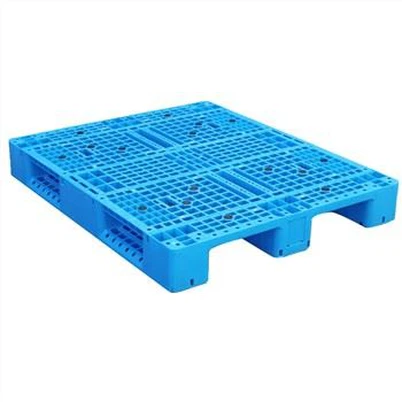
Before we delve into the process of emptying the sump, it's essential to understand the different types of oil drum spill pallets available. We offer a variety of spill containment pallets, including Rotomolding Spill Containment Pallet, Safe Storage Spill Containment Pallet, and Bunded Spill Pallet. Each type has its unique features and benefits, but they all serve the same purpose of containing spills and protecting the environment.
Rotomolding spill containment pallets are made using a rotational molding process, which results in a seamless and durable structure. These pallets are resistant to chemicals and UV rays, making them suitable for outdoor use. Safe storage spill containment pallets are designed to provide a secure and stable storage solution for oil drums. They have a high load capacity and are equipped with features such as raised edges and drainage holes to prevent spills. Bunded spill pallets, on the other hand, have an additional outer wall or "bund" that provides extra containment in case of a large spill.
Safety Precautions
Safety should always be the top priority when emptying the sump of an oil drum spill pallet. Here are some important safety precautions to follow:
- Wear appropriate personal protective equipment (PPE): This includes gloves, goggles, and a respirator to protect yourself from exposure to oil and other hazardous chemicals.
- Ensure proper ventilation: Work in a well-ventilated area to prevent the buildup of fumes. If possible, use a ventilation system or open windows and doors.
- Follow local regulations: Familiarize yourself with the local regulations regarding the handling and disposal of oil and other hazardous waste. Make sure you comply with all the necessary requirements.
- Inspect the pallet and equipment: Before starting the emptying process, inspect the pallet and all the equipment for any damage or leaks. Ensure that all the valves and connections are tight and in good working condition.
- Have a spill response plan in place: In case of an accidental spill, have a spill response plan ready. This should include the necessary spill containment materials and procedures for cleaning up the spill.
Step-by-Step Guide to Emptying the Sump
Now that we have covered the safety precautions, let's move on to the step-by-step guide to emptying the sump of an oil drum spill pallet.
Step 1: Prepare the Equipment
Gather all the necessary equipment, including a pump, hoses, a storage container, and a funnel. Make sure the pump is suitable for handling oil and other liquids. Check the hoses for any damage or leaks and ensure that they are the correct size and length. The storage container should be clean and have a sufficient capacity to hold the collected oil.
Step 2: Locate the Sump Drain
Most oil drum spill pallets have a drain valve or plug located at the bottom of the sump. Locate the drain and make sure it is accessible. If the drain is blocked, use a suitable tool to clear the blockage.


Step 3: Connect the Pump and Hoses
Connect the pump to the drain valve or plug using the appropriate hoses. Make sure the connections are tight and secure to prevent any leaks. Place the other end of the hose into the storage container, using a funnel if necessary.
Step 4: Start the Pump
Turn on the pump and allow it to run until all the oil and other liquids have been pumped out of the sump. Monitor the process closely to ensure that the pump is working properly and that there are no leaks. If the pump becomes clogged, stop the pump and clear the blockage before continuing.
Step 5: Dispose of the Collected Oil
Once the sump has been emptied, carefully disconnect the hoses from the pump and the storage container. Seal the storage container tightly to prevent any spills or leaks. Dispose of the collected oil in accordance with the local regulations. You may need to contact a licensed waste disposal company to handle the disposal of the oil.
Step 6: Clean and Inspect the Pallet
After emptying the sump, clean the pallet thoroughly using a suitable cleaning agent. Rinse the pallet with water to remove any remaining oil or debris. Inspect the pallet for any damage or wear and tear. If any repairs are needed, make them before using the pallet again.
Tips for Maintaining the Oil Drum Spill Pallet
In addition to regularly emptying the sump, it's important to maintain the oil drum spill pallet to ensure its long-term performance and effectiveness. Here are some tips for maintaining the pallet:
- Inspect the pallet regularly: Check the pallet for any signs of damage, such as cracks, leaks, or corrosion. If any damage is found, repair or replace the pallet immediately.
- Clean the pallet regularly: Remove any dirt, debris, or spills from the pallet using a suitable cleaning agent. Rinse the pallet with water to remove any remaining cleaning agent.
- Store the pallet properly: When not in use, store the pallet in a dry and protected area. Avoid exposing the pallet to extreme temperatures, sunlight, or chemicals.
- Follow the manufacturer's instructions: Read and follow the manufacturer's instructions for the proper use and maintenance of the pallet. This will help ensure that the pallet performs as intended and lasts for a long time.
Conclusion
Safely emptying the sump of an oil drum spill pallet is an important task that requires careful planning and execution. By following the safety precautions and the step-by-step guide outlined in this blog post, you can ensure that the emptying process is carried out safely and effectively. Remember to always wear appropriate PPE, follow local regulations, and maintain the pallet regularly to ensure its long-term performance and effectiveness.
If you are interested in purchasing an oil drum spill pallet or have any questions about our products, please feel free to contact us. We are a leading supplier of spill containment pallets and can provide you with the best solutions for your needs.
References
- OSHA. (n.d.). Hazardous Waste Operations and Emergency Response (HAZWOPER). Retrieved from [OSHA website]
- EPA. (n.d.). Hazardous Waste Management. Retrieved from [EPA website]
- Manufacturer's instructions for oil drum spill pallets.