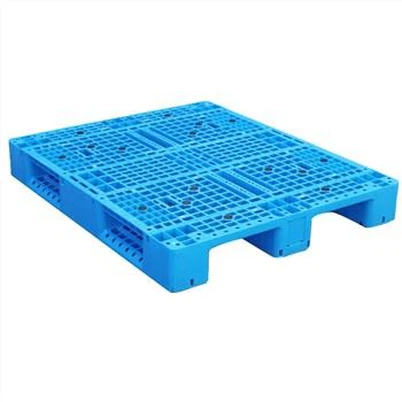
How to clean HDPE welded plastic pallets?
Leave a message

Hey there! As a supplier of HDPE welded plastic pallets, I've seen firsthand how important it is to keep these pallets clean. Not only does proper cleaning extend their lifespan, but it also ensures the safety of the goods they carry. So, let's dive into how to clean HDPE welded plastic pallets.


Why Cleaning Matters
Before we get into the how - to, let's talk about why cleaning is crucial. HDPE welded plastic pallets are used in various industries, from food and beverage to manufacturing. In the food industry, for example, any dirt, debris, or bacteria on the pallets can contaminate the products. Even in non - food industries, dirty pallets can scratch or damage the goods they're carrying. Also, regular cleaning can prevent the build - up of chemicals or residues that might weaken the plastic over time.
Pre - Cleaning Inspection
First things first, give your pallets a good once - over. Look for any signs of damage like cracks, loose welds, or sharp edges. If you find any, it's a good idea to set those pallets aside for repair or replacement. This is also the time to remove any large debris like wood chips, stones, or pieces of packaging that might be stuck to the pallets. You can use a broom or a brush to sweep off the big stuff.
Choosing the Right Cleaning Agents
When it comes to cleaning HDPE welded plastic pallets, not all cleaning agents are created equal. You want to avoid using harsh chemicals that can damage the plastic. Mild detergents are usually a safe bet. A simple solution of dish soap and warm water can work wonders. Just mix a few drops of dish soap in a bucket of warm water. This mixture is gentle enough not to harm the plastic but strong enough to break down dirt and grime.
For more stubborn stains or grease, you can use a degreaser that's specifically formulated for plastics. Make sure to read the label carefully to ensure it's safe for HDPE. Avoid using bleach, as it can discolor and weaken the plastic over time.
Cleaning Methods
Manual Cleaning
If you have a small number of pallets, manual cleaning might be the way to go. Dip a sponge or a soft - bristle brush into your soapy water solution. Start scrubbing the pallets, paying extra attention to the corners and edges where dirt tends to accumulate. You can use a toothbrush for those hard - to - reach areas. Rinse the pallets thoroughly with clean water after scrubbing. You can use a hose or a bucket of clean water for rinsing.
Pressure Washing
For larger quantities of pallets, pressure washing can be a more efficient option. Set your pressure washer to a low to medium setting. High pressure can damage the plastic, especially around the welds. Start by pre - wetting the pallets with plain water to loosen the dirt. Then, apply your soapy water solution using a pressure washer attachment. Move the pressure washer nozzle in a steady, even motion across the pallets. After applying the soap, rinse the pallets thoroughly with clean water.
Automated Cleaning Systems
In some industrial settings, automated cleaning systems are used. These systems can handle a large volume of pallets quickly and efficiently. They usually involve conveyor belts that move the pallets through a series of cleaning stations. The pallets are first sprayed with a cleaning solution, then scrubbed with brushes, and finally rinsed with clean water. If you're a large - scale operation, investing in an automated cleaning system might be worth considering.
Drying the Pallets
After cleaning, it's important to dry the pallets properly. Leaving them wet can lead to mold and mildew growth. You can let the pallets air - dry in a well - ventilated area. If you're in a hurry, you can use a blow dryer on a low setting or a fan to speed up the drying process. Make sure the pallets are completely dry before stacking them or using them again.
Maintenance Tips
To keep your HDPE welded plastic pallets in top shape, there are a few maintenance tips you can follow. Avoid exposing the pallets to extreme temperatures. High heat can cause the plastic to warp, while freezing temperatures can make it brittle. Store the pallets in a cool, dry place when not in use.
Also, try to avoid overloading the pallets. Each pallet has a weight capacity, and exceeding it can cause damage, especially to the welds. Regularly inspect the pallets for signs of wear and tear, and clean them on a regular schedule.
Our Product Range
We offer a wide variety of HDPE welded plastic pallets to meet your needs. Check out our Euro Type Standard Size Plastic Pallet, 40 X 48 Plastic Pallet, and Reusable Heavy Duty Plastic Pallet. These pallets are not only durable but also easy to clean when you follow the steps we've discussed.
Conclusion
Cleaning HDPE welded plastic pallets is an important part of their maintenance. By following the right cleaning methods, choosing the appropriate cleaning agents, and taking proper care of them, you can ensure that your pallets last a long time and continue to perform well. If you're interested in purchasing high - quality HDPE welded plastic pallets or have any questions about cleaning and maintenance, don't hesitate to contact us for a purchase negotiation.
References
- Plastic Pallet Association Guidelines on Cleaning and Maintenance.
- Manufacturer's Instructions for HDPE Welded Plastic Pallets.